Get live statistics and analysis of David Park's profile on X / Twitter
founder of jenni ai
tweets about growth and my startup learnings!
448following78kfollowers
The Entrepreneur
David Park is a relentless founder who blends personal resilience with keen insights into startup growth and marketing strategies. He shares raw, real-life narratives alongside deep, actionable advice on organic growth, influencer marketing, and scaling a startup profitably. David’s profile is a masterclass in turning challenges into fuel to drive success.
David’s startup hustle is so relentless, he probably treats his To-Do list like a neural network, optimizing obsessively, but sometimes forgetting the human behind the data. Spoiler alert: even AI needs downtime, buddy!
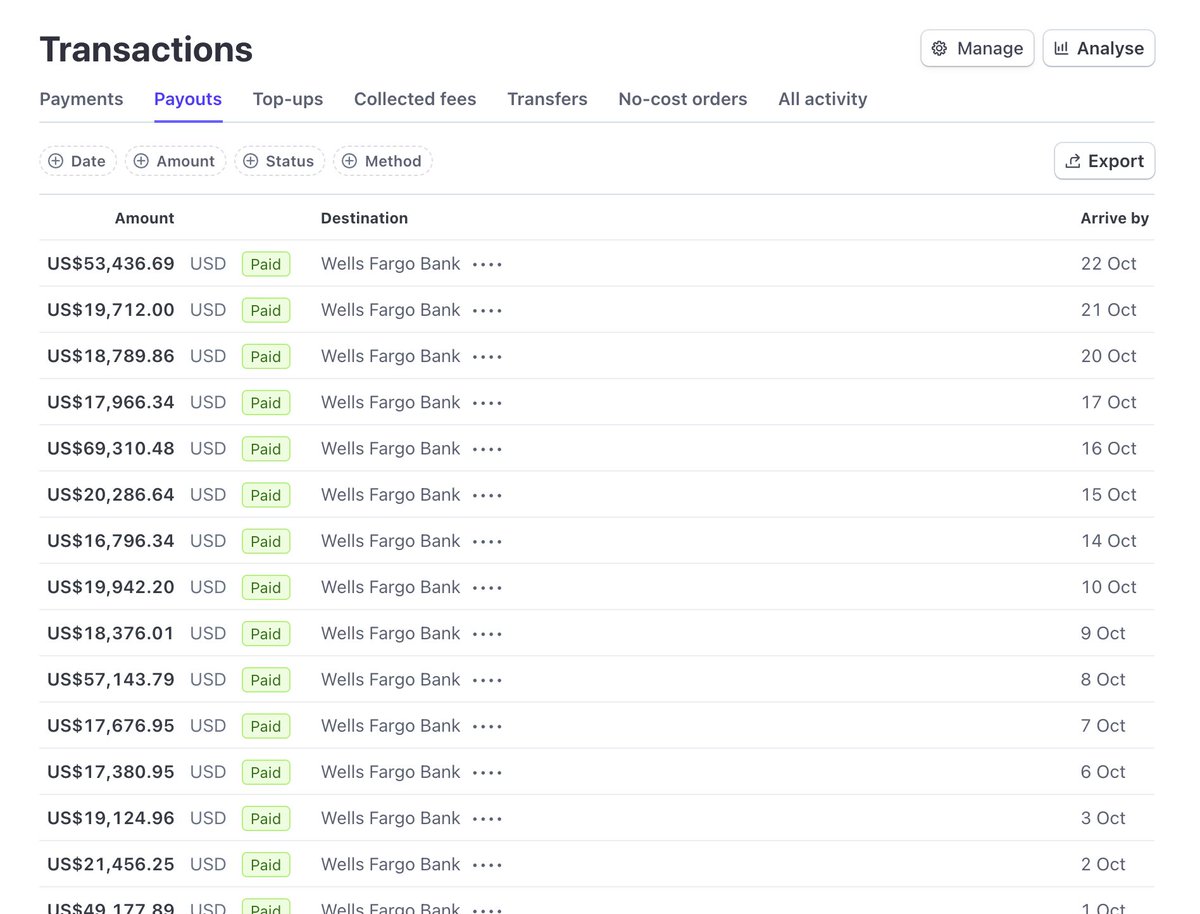
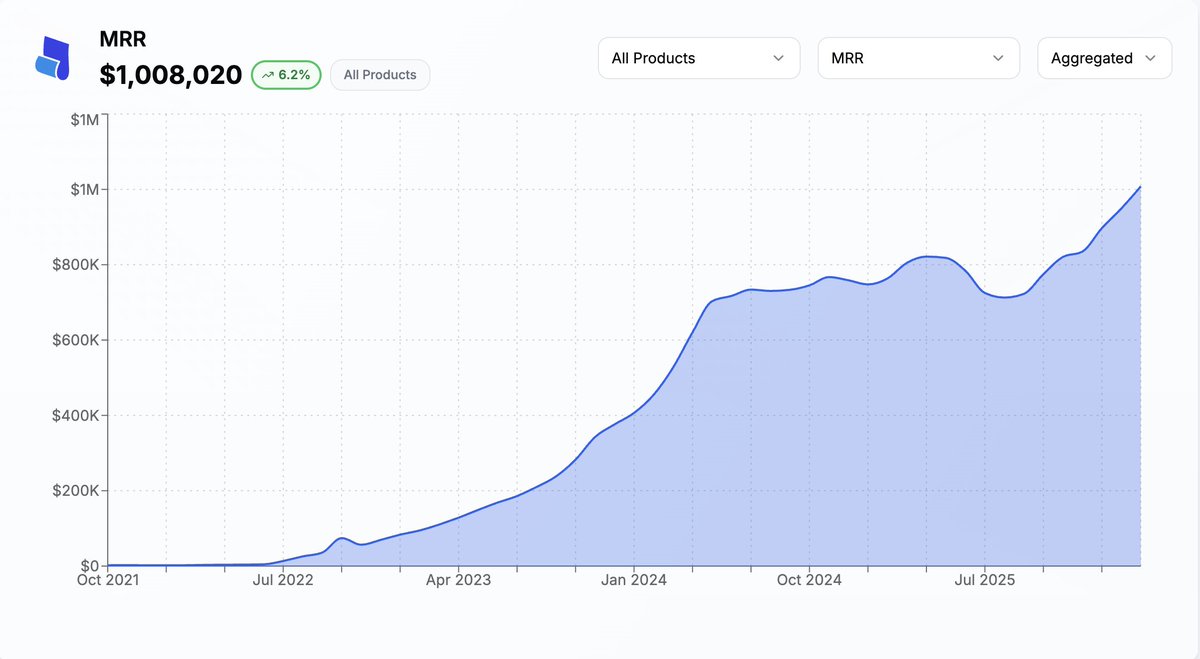
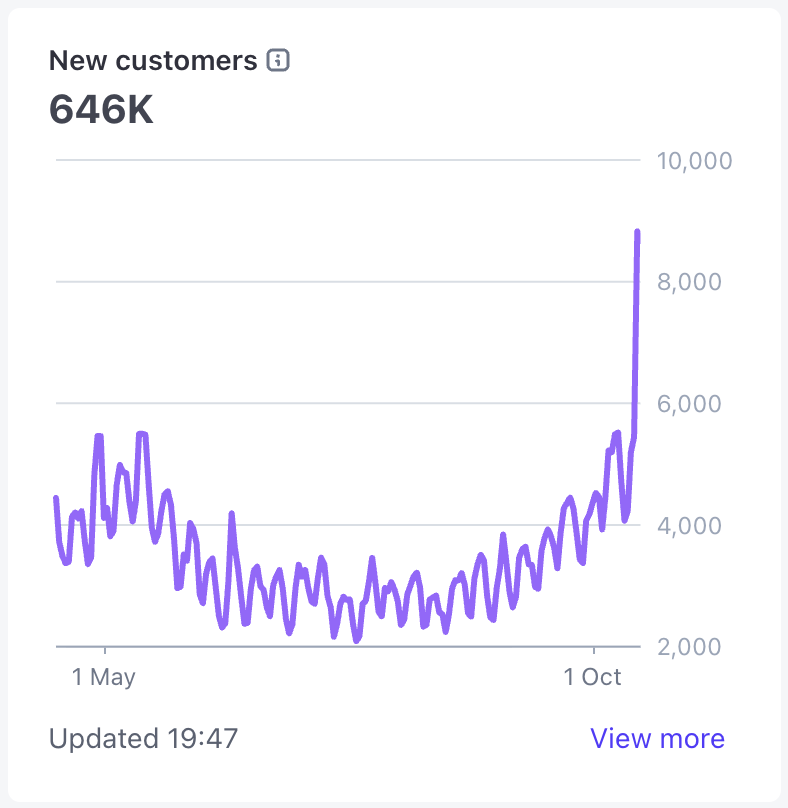
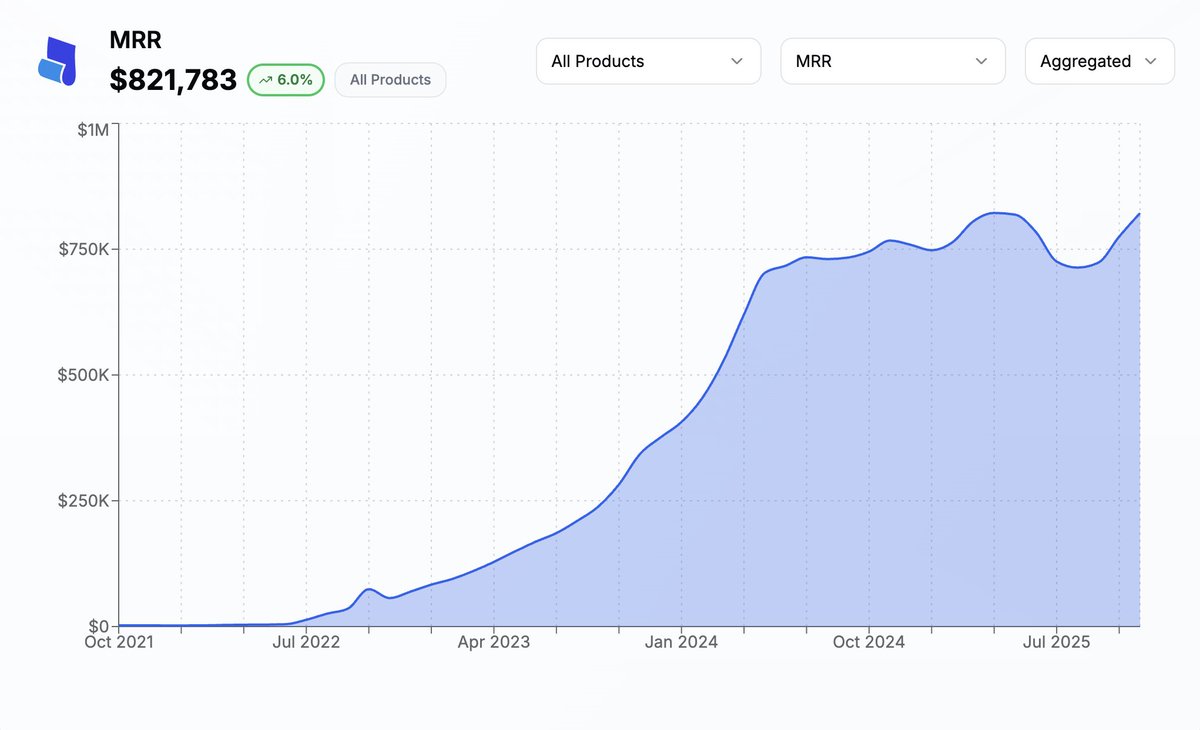
Achieving $5 million ARR profitably with jenni AI, fueled by innovative growth hacks and a tight-knit marketing team largely composed of three people, stands as his biggest professional triumph.
David’s life purpose centers around building and scaling impactful products that create real value while navigating the complex balance between professional triumph and personal wellbeing. He aims to inspire and educate other founders on sustainable growth paths and the importance of authentic connections.
He believes in grit, transparency, and the power of data-driven strategies over vanity metrics. David values resilience, creativity in marketing, authentic influencer partnerships, and continuous learning. He also holds a strong conviction that success should never come at the cost of personal health or relationships.
David’s greatest strengths are his strategic mindset for growth hacking, deep knowledge of social media dynamics, and his candid storytelling that resonates deeply, making even complex startup lessons accessible and inspiring.
His intense focus on work has led to personal sacrifices, including strained relationships and health challenges, highlighting a tendency to prioritize business at the expense of self-care and work-life balance.
To grow his audience on X, David should share more behind-the-scenes content on balancing startup life with personal wellbeing, use threads to break down his viral content strategies into bite-sized tips, and engage with founder communities through AMAs or live chats to expand his influence organically.
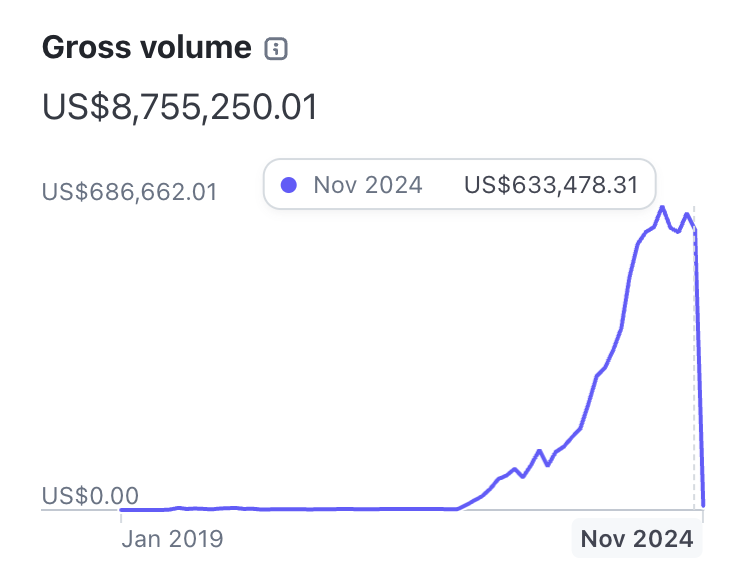
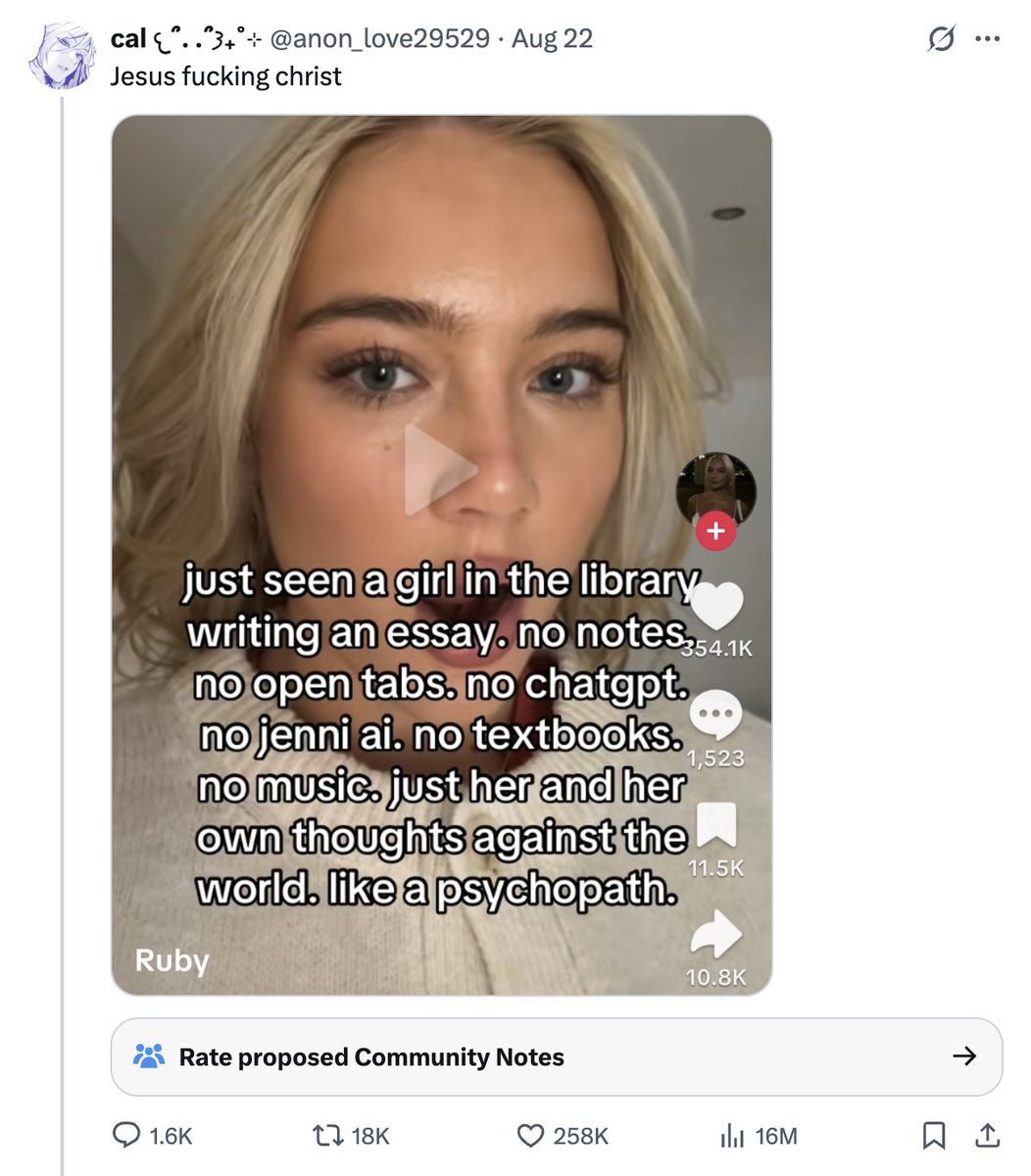
Fun fact: David’s viral video series "POV: You have an essay due" alone has generated over 300 million views and helped earn over half a million dollars, showcasing his knack for turning simple ideas into massive wins.
{"data":{"__meta":{"device":false,"path":"/creators/Davidjpark96"},"/creators/Davidjpark96":{"data":{"user":{"id":"472926936","name":"David Park","description":"founder of jenni ai \n\ntweets about growth and my startup learnings!","followers_count":78325,"friends_count":448,"statuses_count":3780,"profile_image_url_https":"https://pbs.twimg.com/profile_images/1626079431952576513/Ex0lfrs__normal.jpg","screen_name":"Davidjpark96","location":"seattle ","entities":{"description":{},"url":{"urls":[{"display_url":"jennigroup.com","expanded_url":"http://jennigroup.com","indices":[0,23],"url":"https://t.co/Y18NK7TrFS"}]}}},"details":{"type":"The Entrepreneur","description":"David Park is a relentless founder who blends personal resilience with keen insights into startup growth and marketing strategies. He shares raw, real-life narratives alongside deep, actionable advice on organic growth, influencer marketing, and scaling a startup profitably. David’s profile is a masterclass in turning challenges into fuel to drive success.","purpose":"David’s life purpose centers around building and scaling impactful products that create real value while navigating the complex balance between professional triumph and personal wellbeing. He aims to inspire and educate other founders on sustainable growth paths and the importance of authentic connections.","beliefs":"He believes in grit, transparency, and the power of data-driven strategies over vanity metrics. David values resilience, creativity in marketing, authentic influencer partnerships, and continuous learning. He also holds a strong conviction that success should never come at the cost of personal health or relationships.","facts":"Fun fact: David’s viral video series \"POV: You have an essay due\" alone has generated over 300 million views and helped earn over half a million dollars, showcasing his knack for turning simple ideas into massive wins.","strength":"David’s greatest strengths are his strategic mindset for growth hacking, deep knowledge of social media dynamics, and his candid storytelling that resonates deeply, making even complex startup lessons accessible and inspiring.","weakness":"His intense focus on work has led to personal sacrifices, including strained relationships and health challenges, highlighting a tendency to prioritize business at the expense of self-care and work-life balance.","recommendation":"To grow his audience on X, David should share more behind-the-scenes content on balancing startup life with personal wellbeing, use threads to break down his viral content strategies into bite-sized tips, and engage with founder communities through AMAs or live chats to expand his influence organically.","roast":"David’s startup hustle is so relentless, he probably treats his To-Do list like a neural network — optimizing obsessively, but sometimes forgetting the human behind the data. Spoiler alert: even AI needs downtime, buddy!","win":"Achieving $5 million ARR profitably with jenni AI, fueled by innovative growth hacks and a tight-knit marketing team largely composed of three people, stands as his biggest professional triumph."},"tweets":[{"entities":{"media":[{"display_url":"pic.x.com/MlAcNIvAdn","expanded_url":"https://x.com/Davidjpark96/status/1985423384742916483/photo/1","ext_media_availability":{"status":"Available"},"features":{"large":{"faces":[]},"medium":{"faces":[]},"orig":{"faces":[]},"small":{"faces":[]}},"id_str":"1985417206503784449","indices":[231,254],"media_key":"3_1985417206503784449","media_results":{"result":{"media_key":"3_1985417206503784449"}},"media_url_https":"https://pbs.twimg.com/media/G42ebhybQAEZsng.jpg","original_info":{"focus_rects":[{"h":1693,"w":3024,"x":0,"y":1270},{"h":3024,"w":3024,"x":0,"y":604},{"h":3447,"w":3024,"x":0,"y":393},{"h":4032,"w":2016,"x":100,"y":0},{"h":4032,"w":3024,"x":0,"y":0}],"height":4032,"width":3024},"sizes":{"large":{"h":2048,"resize":"fit","w":1536},"medium":{"h":1200,"resize":"fit","w":900},"small":{"h":680,"resize":"fit","w":510},"thumb":{"h":150,"resize":"crop","w":150}},"type":"photo","url":"https://t.co/MlAcNIvAdn"}]},"extended_entities":{"media":[{"display_url":"pic.x.com/MlAcNIvAdn","expanded_url":"https://x.com/Davidjpark96/status/1985423384742916483/photo/1","ext_media_availability":{"status":"Available"},"features":{"large":{"faces":[]},"medium":{"faces":[]},"orig":{"faces":[]},"small":{"faces":[]}},"id_str":"1985417206503784449","indices":[231,254],"media_key":"3_1985417206503784449","media_results":{"result":{"media_key":"3_1985417206503784449"}},"media_url_https":"https://pbs.twimg.com/media/G42ebhybQAEZsng.jpg","original_info":{"focus_rects":[{"h":1693,"w":3024,"x":0,"y":1270},{"h":3024,"w":3024,"x":0,"y":604},{"h":3447,"w":3024,"x":0,"y":393},{"h":4032,"w":2016,"x":100,"y":0},{"h":4032,"w":3024,"x":0,"y":0}],"height":4032,"width":3024},"sizes":{"large":{"h":2048,"resize":"fit","w":1536},"medium":{"h":1200,"resize":"fit","w":900},"small":{"h":680,"resize":"fit","w":510},"thumb":{"h":150,"resize":"crop","w":150}},"type":"photo","url":"https://t.co/MlAcNIvAdn"}]},"display_text_range":[0,230],"lang":"en","possibly_sensitive":false,"fact_check":null,"id":"1985423384742916483","view_count":337113,"bookmark_count":226,"created_at":1762196796000,"favorite_count":7158,"quote_count":9,"reply_count":429,"retweet_count":91,"user_id_str":"472926936","conversation_id_str":"1985423384742916483","full_text":"this time 3 years ago i was diagnosed with thyroid cancer\n\nit's been so long that i honestly forget i even had it 99% of the time\n\ngrateful that time has erased most of the bad memories, and even more grateful to be cancer-free! 🤠 https://t.co/MlAcNIvAdn","in_reply_to_user_id_str":null,"in_reply_to_status_id_str":null,"is_quote_status":0,"is_ai":null,"ai_score":null,"source":"scraping","fetched_at":1792282876752,"edit_history_tweet_ids":null,"poll_10min_at":null,"poll_3day_at":null,"poll_count":0,"poll_complete":0},{"entities":{"media":[{"allow_download_status":{"allow_download":true},"display_url":"pic.x.com/PskphAy6UJ","expanded_url":"https://x.com/Davidjpark96/status/1789773192435060737/photo/1","ext_media_availability":{"status":"Available"},"features":{"large":{"faces":[]},"medium":{"faces":[]},"orig":{"faces":[]},"small":{"faces":[]}},"id_str":"1789771025825275904","indices":[280,303],"media_key":"3_1789771025825275904","media_results":{"result":{"media_key":"3_1789771025825275904"}},"media_url_https":"https://pbs.twimg.com/media/GNaLQ--aIAA8fk4.png","original_info":{"focus_rects":[{"h":465,"w":830,"x":0,"y":0},{"h":576,"w":576,"x":0,"y":0},{"h":576,"w":505,"x":0,"y":0},{"h":576,"w":288,"x":1,"y":0},{"h":576,"w":830,"x":0,"y":0}],"height":576,"width":830},"sizes":{"large":{"h":576,"resize":"fit","w":830},"medium":{"h":576,"resize":"fit","w":830},"small":{"h":472,"resize":"fit","w":680},"thumb":{"h":150,"resize":"crop","w":150}},"type":"photo","url":"https://t.co/PskphAy6UJ"}]},"extended_entities":{"media":[{"allow_download_status":{"allow_download":true},"display_url":"pic.x.com/PskphAy6UJ","expanded_url":"https://x.com/Davidjpark96/status/1789773192435060737/photo/1","ext_media_availability":{"status":"Available"},"features":{"large":{"faces":[]},"medium":{"faces":[]},"orig":{"faces":[]},"small":{"faces":[]}},"id_str":"1789771025825275904","indices":[280,303],"media_key":"3_1789771025825275904","media_results":{"result":{"media_key":"3_1789771025825275904"}},"media_url_https":"https://pbs.twimg.com/media/GNaLQ--aIAA8fk4.png","original_info":{"focus_rects":[{"h":465,"w":830,"x":0,"y":0},{"h":576,"w":576,"x":0,"y":0},{"h":576,"w":505,"x":0,"y":0},{"h":576,"w":288,"x":1,"y":0},{"h":576,"w":830,"x":0,"y":0}],"height":576,"width":830},"sizes":{"large":{"h":576,"resize":"fit","w":830},"medium":{"h":576,"resize":"fit","w":830},"small":{"h":472,"resize":"fit","w":680},"thumb":{"h":150,"resize":"crop","w":150}},"type":"photo","url":"https://t.co/PskphAy6UJ"}]},"display_text_range":[0,279],"lang":"en","possibly_sensitive":false,"fact_check":null,"id":"1789773192435060737","view_count":1084769,"bookmark_count":16101,"created_at":1715550156000,"favorite_count":6144,"quote_count":191,"reply_count":381,"retweet_count":622,"user_id_str":"472926936","conversation_id_str":"1789773192435060737","full_text":"How to go from 0 to $5M ARR profitably (step by step)\n\nHere is every growth hack we used for each of our distribution channels:\n\n- Organic Short-form content\n- Influencer Marketing\n- SEO\n- Paid Ads\n\nOrganic Short-form content\n\nThe most important thing to remember in this new age of social media is that follower counts don’t matter at all\n\nI would unironically sponsor a fresh account made this week vs a YouTuber with a million subs if they had similar views and I don’t even think it’s a controversial opinion\n\n(especially when you consider that the famous YouTuber will charge you potentially 30x more for less results, but I would maybe even choose the new account if they were the same price)\n\nThe reason being that new accounts are highly volatile and if you put out a great engaging piece of content then it could easily go viral regardless of how many followers you have\n\nBut rather than finding and sponsoring these new accounts in your niche, you can just create these accounts yourself\n\nYou just need to follow this basic format:\n1. Find a face for your account\n2. Craft a viral video 'series'\n3. Multiply your accounts\n\nWhat would happen if BTS made a new TikTok account and started posting?\n\nAll videos on the new account would immediately go viral because the algo would push the videos back to their fans\n\nDespite having zero followers, this new TikTok account will ‘behave’ as though it has hundreds of millions of followers\n\nOne great hack is to find someone who already has an audience of people that you know will convert, then ask them to create a completely new account to posts videos about your product\n\nThis is an amazing hack because creators are usually very open to this idea because it doesn’t dilute their main page, it’ll be way cheaper to pay for 20 videos on a new account every month vs 20 sponsored posts on their main account, and it’ll get way better results\n\nFor example we found a creator named Mengmengduck whose entire account at the time was teaching students how to write to employers and we paid him $4000 for 20 videos/mo\n\nIn our first month we got 7 million+ impressions, just as expected the videos on the brand new account were being pushed to the followers on his main account\n\nWhen you get a new creator just follow this basic guideline:\n- Repost vids on all platforms (Reels, TikTok, YT Shorts)\n- Post 1+ videos per day\n- Initially, post vids similar to what the influencer posts on their main account, then start experimenting with videos that feature your product\n- We paid $4000/mo for MMD who had 500k followers, but you can get someone cheaper for similar results!\n\nThe entire goal when working with your creator is to find a viral “series” because a video that goes viral once will go viral again\n\nYou want a video that you can basically tweak slightly and repost multiple times a week that is still fun for the audience\n\nOnce you find a viral series, you can start creating new accounts but this time you don’t need to work with big creators, you can just find charismatic UGC creators because you’ve found content that is engaging and poised to go viral \n\nCurrently, we have about 5 different Jenni AI accounts all posting similar content\n\nMany of our accounts have tens or sometimes just hundreds of followers and they just repost stuff from our main account\n\nIn some cases, the account with 48 followers gets MORE views than our main account with 55k followers...even when posting identical videos\n\nExamples of viral series:\n1. A guy tries to see how many sticks of spaghetti it takes to hold his weight. Then he tries to see how many coat hangers. Then he tries to use sheets of paper. Etc etc. All the same video, minimal effort but will go viral every time.\n\n2. A guy drinks a cup of milk for every 1000 followers he has. Everyday it’s the same video where he drinks milk but people continually tune in because they want to see him suffer and drink hundreds of cups of milk. Will go viral every time.\n\n3. For us we had “POV you have an essay due” and it was just a ridiculous plot of someone realising they have an essay due while they are taking a shit or right before they sleep or w/e and it always ended with them using Jenni AI to help them write their essay faster. Same video, slightly different 10 second intro each time.\n\nThinking of new viral video ideas are so hard, so just try to think of tweaking your few winning videos into “series” and just think about prolonging the lifespan of your content\n\nThe order of virality:\n1. Have one account on each platform (TikTok, Instagram, YT shorts) and experiment with a ton of hooks and video ideas\n\n2. Eventually you’ll get a video that goes viral after enough experimentation\n\n3. Experiment and somehow turn that video into a “series”\n\n4. Start tweaking and posting this “series” on multiple accounts\n\n5. Translate and create the same video with creators that speak Chinese, Spanish, etc\n\n6. Take the really mega-viral videos and sponsor other pages to repost them\n\n7. Use the mega-viral content for paid ads\n\n8. Eventually enough copycats will copy your video series and it’ll get played out and you restart at step 1\n\nOur video series \"POV: You have an essay due\" has probably generated 300 million+ views overall\n\nIt was essentially the same video over and over, multiple times a week, yet they consistently went viral\n\nThat one video series made us over half a million dollars, and it was one of several video series’ that we were able to cook up\n\nInfluencer Marketing\n\nFind influencers\n\n- Go to your users' Instagram and see which influencers they are following. This should be easy if you’ve done user interviews correctly, if you have no social media handles of your users you should actually befriend your users and get to know them on a deeper level or you’re not going to make it\n\n- Do this for several users and eventually you will find some influencers that are ‘popular’ among your target user demographic. Find these influencers and follow them all, it’s okay you only need 1-3\n\n- Go to these influencer's profile and click \"suggested similar accounts\" and you'll get an easy list of hot leads that you can sponsor (you can continue to do this recursively for each new influencer that you find)\n\n- Also, be sure to see what hashtags these influencers are using when they post and then follow those hashtags as well\n\n- Once you have a list of influencers, create a new Instagram/TikTok account and manually follow & watch their videos all the way through and the algorithm will start automatically showing relevant influencers to you that you can then reach out to (this is a great way to lower the risk of getting scammed because the videos that show up organically on your FYP are less likely to be accounts that have bought followers/views)\n\n- On your new account, you want to be on the hunt for smaller influencers, if a new-ish account has multiple videos with 100k+ views, it's absolute GOLD\n\n- Once you have a list of influencers who you are ready to partner up with, you can begin reaching out to them\n\nReach out to influencers\n\n- DMs > emails = higher response rate (at least for us)\n\n- All messages need to be as detailed and tailored as possible, but most importantly as CONCISE as possible. This balance is hard but you’ll get a better feel for this as you notice what gets ignored and what doesn't\n\n- Demonstrate that you’re genuinely a fan of their content and that you’re excited to partner up. This is such a low bar but few founders actually put in the effort.\n\n- Why should they partner with you? Why will their audience love your product? Don’t talk about dumb shit like how many employees your company has or what round of fundraising you’re at (I suggest not talking about those vanity metrics in any situation, but I digress)\n\n- Make sure to indicate somewhere in the message that this is obviously a PAID promotion, influencers are constantly inundated by people who are begging them for free shoutouts or weird affiliate partnerships\n\n- Expect more than 50% of influencers to not respond, but this % is very volatile depending on what industry you’re in, and how cool/well-known your product is\n\n- The good news is, as more influencers talk about your product it gets easier and easier to convince them to promote your product because they have heard of it before (unknown products could be risky or straight-up scams)\n\nNegotiate\n\n- The highest priority is to align the incentives between you and the influencer. You should both want a banger video that converts\n\n- Never pay upfront for videos (pay half upfront at most). Most influencers are fantastic people but some influencers will just try and drop a half-ass video once they get their check\n\n- Try to split the payment so that some % comes from the number of conversions that they bring (you can track this via coupon code or UTM link). If they don’t want to do that, try to at least have some affiliate bonus\n\n- Ask for their viewer demographics see which countries are viewing their content and compare that with the conversion rates of those countries for your product\n\n- See previous sponsored content that they’ve posted and see how those videos performed vs their usual content\n\n- Negotiate the deal so that either they only receive some/all of the payment if it reaches a certain # of views (or a certain # of coupon code redemptions)\n\n- Don’t listen to these absolute garbage articles that tell you to pay based on the number of subscribers/followers that they have. The sole question you should be asking is, will they convert or will they not (at least in the early stage of your startup).\n\nPost content\n\n- You can’t use a general content strategy for all of your influencer partnerships because each influencer has a certain type of content that their audience likes. Your content can’t deviate too far from it or else it will have terrible watch times and you’re basically paying for a dud\n\n- If you don’t have experience with social media or making engaging content, just let the influencer make the video and then you approve it (after aligning your incentives, as we discussed in the last step)\n\n- One important note is that views are irrelevant, we’ve had videos that got 30 MILLION views and gave us barely any conversions, whereas a video with 50k views converted like hotcakes. The video should make the viewers excited about what you’ve built not just have them hear what you made and then forget about it the second they scroll to the next video on their For You Page\n\n-When in doubt, don’t be afraid of your video looking like a straight-up ad, even if it gets less views it will convert better than an influencer casually talking about your product for 15 seconds in a random “Day in the life” vlog\n\nFinal tips\n\n- The biggest risk with influencer marketing is sponsoring a dead video or a video that gets a few hundred views or a few thousand views in low-converting countries. For that reason, make a portfolio of bets instead of hunting for the perfect deal. Do not allocate all of your marketing budget to a few large influencers\n\n- If the account has high conversion potential, but the first video flops, don't be afraid to run it back again (often times you can get a better rate on the second video if the first video does poorly)\n\n- You should be casting a large net and then doubling down on the winners and gathering data to get better at predicting which influencer would be great to sponsor\n\n- One good influencer partnership can make up for several influencer partnerships with negative ROI\n\n- The ultimate goal is to build out your influencer marketing arm and then bring on somebody to help run it so you can focus on other aspects of growth.\n\n- You need to have all of your insights and data figured out so that when you bring somebody on, they can take your insights and devote all of their time to become even better than you are at influencer marketing.\n\nSEO\n\nSEO is a tricky one because it can take so long to see results\n\nThat’s why I would never start with SEO because in the early-stages you want fast feedback cycles and SEO is the furthest from it\n\nBut the flip side is, when you really need SEO, you probably should’ve started on it 6 months prior to that point\n\nFor that reason my ideal order of what growth channels I would focus on is: Organic Short-form -> Influencer Marketing -> Paid Ads\n\nAnd at any point when I felt like I had a deep understanding of who my powers users were I would start work on SEO and do it concurrently with whatever growth channel I was working on at that point in time\n\nHere are some growth hacks for when you do start SEO work:\n\n1. Taking featured snippets\n\nSometimes you'll be ranking low on the first page, not getting much traffic. Pushing yourself to the top of the page can take a lot of effort and investment, but there's a way to get there almost immediately.\nIf the search term you're looking to rank for has a featured snippet, you can often easily take over the first spot by just tweaking your content to answer the query more precisely.\n\nThe chances are your content already answers the question well enough, but it's just not written in a way that Google realizes it. Use definitive phrases like \"The answer is Yes, you can do X\". Use bulleted or ordered lists to make the answer concise and clear.\n\nTo find these opportunities, you can plug your domain into a tool like Ahrefs, Semrush or Search Atlas and filter the keywords you are ranking for by the SERP containing a featured snippet.\n\nTo keep it simple:\n* Plug your domain into SEO tool (ahrefs, semrush, searchatlas)\n* Look at keywords you're ranking for already\n* Filter results by the criteria of containing a featured snippet in the results\n* Tweak your content to answer the query in the best way possible\n* Jump from position 3-10 to 1\n\n2. Increasing brand name searches\nBrand searches helps legitimize your startup in Google’s eyes and will help your content be seen as “trustworthy”.\n\nWith this in mind, for your SEO you should be engaging in other marketing activities that necessitate brand searches.\n\nTo keep it simple:\n* When doing organic social media marketing, encourage users to search out for your brand name instead of directly typing in the URL\n* When doing paid social marketing, utilizing view-through or engaged-view conversions to still track conversions made via Google searches so you can still optimize the social campaigns while reaping the SEO benefit.\n\n3. Make it easy for search engines to understand your website\nSearch engines have gotten a lot better at understanding messy websites, but that doesn't mean you shouldn't make it as easy as possible for them.\n\nAdding schema to your pages and giving clear cut definitions to your content can make it incredibly clear to any bots crawling your site what your site is about and what it is doing.\n\nThe more the better, we've had a lot of limitations with this as we're using Framer and we've found some types of schema quite hard to implement. However, we've done what we can and any type of schema is better than nothing (as long as it's accurate)\n\nTo keep it simple:\n* Add relevant schema to any page that is suitable\n* Mark up your landing pages with FAQ data, mark up your blog posts with article data.\n\n4. Accurately estimate your ROI from search engines\nIt's been a long time since Google allowed us to see which keywords led to conversions in Google Analytics, however it's super important to get as accurate of a picture as possible.\n\nMany people will simply look at reports and anything under the \"organic\" or \"search engines\" column, they'll count as an SEO conversion. But that's simply not true, and it severely misinforms you.\nBy the nature of the tracking, it's impossible to differentiate between branded conversions and non branded conversions with SEO.\n\nThe closest we've been able to get to do this is with a custom tool, but you can replicate it manually as well\n* Log into search console\n* Select your time period\n* Export your clicks for each query\n* Remove all branded queries\n* Go to your paid ads (preferably Google ads) platform and note down your conversion data.\n* Slightly lower the conversion percentage (because paid typically converts better than organic, as you're bidding based on a lot of other targeting metrics too)\n* Tally up all the clicks from search console\n* Use the conversion percentage from paid ads (slightly lowered)\n* Calculate the amount of conversions you have received from SEO (excluding brand)\n* Times this by the average LTV of your customer\n\nThis is a much closer metric to reality than anything reported by any reporting software, especially if you have a lot of branded searches like us\n\nPaid Ads\n\nFounders will tell me their marketing strategy and marketing spend and sometimes I’ll be shocked\n\nMany are going to end up spend a sizable portion of their entire investment on google/meta ads, and the worst part is they aren’t even acquiring users at a profit, which genuinely makes me nauseous\n\nEspecially in the early-stages, I honestly wouldn’t be burn ANY money on paid ads and only spend after some social media marketing first\n\nThis is because data is key when it comes to paid ads and you want as much accurate data as possible to feed into the ad platforms\n\nThe algorithms work very well, but they need data to make the right decisions, and you can get this data from other growth channels before starting paid ads\n\nWhy paid ads after influencer marketing and organic content:\n\n1. From influencer partnerships and organic short-form you will have a bunch of creatives that you can work/experiment/rework for paid ads\n\n2. You get valuable customer feedback in the comments of your posts (how do target users describe your product, what they compare it to, what they like/don’t like about your product) which can be leveraged for ad copy and positioning\n\n3. You can use the data from your social media partnerships to have better targeting for your ads on day 1 (what countries convert better, what’s the LTV of each country, what types of users are ideal to market to, etc)\n\n4. In early-stages your budget won’t be big enough and you won't be able to spend enough on Meta to get enough data for targeting based on purchase conversions\n\nWe only scaled paid ads after:\n* PMF (Product Market Fit)\n* 3x LTV to CAC (we pay less than $1 for every $3 you make from ads)\n* Short payback period (we make back our money in less than 3 months)\n\nLastly, take special considerations of both the entire user journey and the landing page before you crank up adspend\n\nIf your landing page isn’t persuasive + effective it’ll not only get less conversions you will also pay more for each click. In Google it improves the relevancy score and in Meta it improves the quality ranking. An easy win is also just to speed up the loading time of your page, this can directly effect the quality score of your ads and will also lower spend per click\n\nAgain, do not do paid ads until later in your startup’s lifecycle\n\nIt requires a larger budget, more data, and typically has higher cost per acquisition than other channels that you can start with\n\nI personally also think it’s just the most boring growth channel so don't deprive yourself of the joy of figuring out the other fun ones first haha\n\nConclusion + Final Tip:\n\nFor every level there is a new devil\n\nAs you scale up your paid ads, your cost per acquisition will continue to creep upwards\n\nAs you scale your influencer marketing you may actually run out of influencers to sponsor for your target user demographic\n\nThere’s always some content strategy that stops working on your social media accounts, or a random Google update that threatens to fuck your rankings\n\nAt each stage of scaling you’ll come across a myriad of issues that can only be solved by specialized knowledge and intense focus\n\nScaling to $5M ARR is too difficult for one man to do (unless you’re the Lisan Al Gaib of startups)\n\nNow that you’ve read this entire guide you can just choose which growth channel to start with and throw your whole weight into it until you solve it and you can move to the next one\n\nOnce you start acquiring users profitably with that first growth channel, find someone who either has the skillset to take over or someone who you can train to take over\n\nThis is a critical step\n\nTo get to $5M ARR you need to know how to find, hire, and retain amazing talent\n\nThis could be an entire post on it’s own because hiring is so tricky, but I will say that I highly highly bias towards resiliency + speed over experience\n\nWhy do I care if a candidate has 15 years of digital marketing experience? \n\nHalf of our marketing work has to do with short-form content and you could’ve only become an expert in short-form (TikTok, Reels, YT Shorts) in the last 3 years anyways\n\nA young marketer with TikTok brain rot who has a great work ethic will often times outperform the “established” digital marketing agency with a ton of fake google reviews\n\nToday, our entire marketing team is just 3 people (me included), and I couldn’t have gotten anywhere close to $5M ARR without them\n\nThanks to my growth team composed of Justin and Luke who are rockstars at what they do and helped flesh out a lot of the strategies on this post\n\nSince you’ve made it all the way to the bottom I’ll tell you one final secret\n\nLook at the bottom right of this tweet and count the bookmarks\n\nHow many of those people will actually read this whole thing? 10%?\n\nHow many of them will then actually try to implement some of the strategies I wrote about here? 10% of the 10%?\n\nHow many of them will continue to try 1 year from now when these marketing tactics help them uncover deep flaws in their product? 1% of that?\n\nThis post will be read by hundreds of thousands of people but ultimately it will only be properly utilized by literally one or two of you\n\nI hope you are that one person that I wrote this for and I hope you can go on a similar fantastical journey that I got to experience\n\nGood luck!","in_reply_to_user_id_str":null,"in_reply_to_status_id_str":null,"is_quote_status":0,"is_ai":null,"ai_score":null,"source":"scraping","fetched_at":1792284088143,"edit_history_tweet_ids":null,"poll_10min_at":null,"poll_3day_at":null,"poll_count":0,"poll_complete":0},{"entities":{},"display_text_range":[0,280],"lang":"en","fact_check":null,"id":"1851716756529910109","view_count":591392,"bookmark_count":1682,"created_at":1730318652000,"favorite_count":4807,"quote_count":81,"reply_count":344,"retweet_count":191,"user_id_str":"472926936","conversation_id_str":"1851716756529910109","full_text":"Despite the newfound success with my startup, my personal life has been challenging\n\nEarlier this year, when I went to visit New York, I was really excited to spend time with my friend\n\nBut when I arrived, I immediately got an acquisition offer, and I spent the whole month locked in my room preparing data and going through DD\n\nI didn’t even get to share one meal with my friend, and unfortunately she passed away shortly after I left New York\n\nI have enough money now to afford a table for two anywhere in the world, but it’s impossible to fill the other seat\n\nThis past year I completed our largest acquisition yet, and it was quite stressful dealing with the lawyers, bankers, and accountants\n\nSpeaking and thinking became so cumbersome that when I met with my girlfriend I’d regularly reply with grunts or nods\n\nShe would chastise me and say that I was never present because I was so hell-bent on finishing this acquisition\n\nWell, I was able to get the deal done, but she broke up with me because she ran out of patience\n\nI told her that I could change, but she said it’s too late and that her heart had left me 🥲\n\nIt was hard to hear this from the person I planned to marry\n\nI fear that I’ve unintentionally made some Faustian Bargain\n\nWhat else would explain my cancer diagnosis right after hitting $1M ARR?\n\nEach new level of startup success came with it a new trauma\n\nSorry to write a super personal post, I promise I will get back to the regularly scheduled positive + actionable startup advice soon\n\nBut the fact of the matter is I have literally sacrificed everything for my startup\n\nThere are other founders who seem to have a healthy social life while also running a startup, but I haven’t been able to figure out that balance\n\nI write this post because it’s clear to me now that if I don’t figure out this balance I may end up with a pretty lonely + sad life\n\nI’ve started going to therapy and trying to find things that make me happy outside of lowering churn and increasing user counts\n\nIt’s led me to rekindle my love for creative writing and I take a lot more walks now\n\nTbh I still miss my girlfriend and I still put a high number of hours into my work\n\nBut each day I find new things outside of my startup that make me happy, and that’s been very encouraging\n\nI’ve got a lot to figure out, but for now, I’m cautiously optimistic about this more balanced life!","in_reply_to_user_id_str":null,"in_reply_to_status_id_str":null,"is_quote_status":0,"is_ai":null,"ai_score":null,"source":"scraping","fetched_at":1792248479110,"edit_history_tweet_ids":null,"poll_10min_at":null,"poll_3day_at":null,"poll_count":0,"poll_complete":0},{"bookmarked":false,"display_text_range":[0,278],"entities":{"hashtags":[],"symbols":[],"timestamps":[],"urls":[],"user_mentions":[]},"favorited":false,"lang":"en","retweeted":false,"fact_check":null,"id":"1904625729410916542","view_count":249125,"bookmark_count":782,"created_at":1742933134000,"favorite_count":2931,"quote_count":55,"reply_count":151,"retweet_count":169,"user_id_str":"472926936","conversation_id_str":"1904625729410916542","full_text":"When my startup was struggling, I moved back into my parents’ house, and they financially supported me\n\nEvery once in a while, we'd have family gatherings, and I was the only 'young' person there because my cousins were busy earning degrees or working\n\nThere was one humiliating incident where my mother secretly handed me her credit card and told me to “pay” for the meal with it, but act as if I were using my own money\n\nUnder normal circumstances, I would have refused, but I could see that doing so I would only protect my pride at the expense of my mother’s\n\nMy parents were often looked down upon in the hierarchy of the Park family because of our bad financial situation as well as their seeming inability to raise a competent child\n\nEvery parent wants to have a child who isn’t a failure, but if you do have one, at the very least it’d be nice if it weren’t so glaringly obvious\n\nSo, I remember going up, paying for the meal, and hoping no one would make a big deal of it\n\nUnfortunately, as I sat down, the family members thanked me for “paying” for the meal, but I could tell some didn’t believe that I could actually afford the large tab\n\nIt was a fucked-up experience where I felt like a fraud, and I promised that I’d never put myself or my mother in that situation again\n\nThat incident really put into perspective that I could be the perpetual loser at family gatherings if I didn’t get my act together; so in many ways, it was a blessing in disguise\n\nBecause of small incidents like these, I worked as hard as I could and my startup continued to scale with the hours I put in\n\nAnyways, I recall this story where I fake paid because I’ve recently given my parents my credit card indefinitely\n\nThere is no limit on the card, so even when I’m not in the room, I now pay for every single family gathering, and I will continue to do so until I die (or go bankrupt whichever comes first)\n\nSince doing so, my parents tell me now that the other uncles/aunties/etc all treat them with basic respect and some have even apologized for how they treated me/them in the past\n\nIt was a therapeutic + amazing feeling when they told me about this\n\nThe restoration of my parents' dignity within our extended family is a personal milestone that has helped soothe a thorn in my heart that I’ve had for a long time :)","in_reply_to_user_id_str":null,"in_reply_to_status_id_str":null,"is_quote_status":0,"is_ai":null,"ai_score":null,"source":"scraping","fetched_at":null,"edit_history_tweet_ids":null,"poll_10min_at":null,"poll_3day_at":null,"poll_count":0,"poll_complete":0},{"bookmarked":false,"display_text_range":[0,268],"entities":{"hashtags":[],"media":[{"display_url":"pic.x.com/bgkCg4EwJ3","expanded_url":"https://x.com/Davidjpark96/status/1726730862149148712/photo/1","id_str":"1726730840414298112","indices":[269,292],"media_key":"3_1726730840414298112","media_url_https":"https://pbs.twimg.com/media/F_aUjP2bIAAA5Ps.jpg","type":"photo","url":"https://t.co/bgkCg4EwJ3","ext_media_availability":{"status":"Available"},"features":{"large":{"faces":[{"x":972,"y":916,"h":68,"w":68}]},"medium":{"faces":[{"x":569,"y":536,"h":39,"w":39}]},"small":{"faces":[{"x":322,"y":304,"h":22,"w":22}]},"orig":{"faces":[{"x":972,"y":916,"h":68,"w":68}]}},"sizes":{"large":{"h":2048,"w":1536,"resize":"fit"},"medium":{"h":1200,"w":900,"resize":"fit"},"small":{"h":680,"w":510,"resize":"fit"},"thumb":{"h":150,"w":150,"resize":"crop"}},"original_info":{"height":2048,"width":1536,"focus_rects":[{"x":0,"y":645,"w":1536,"h":860},{"x":0,"y":307,"w":1536,"h":1536},{"x":0,"y":200,"w":1536,"h":1751},{"x":512,"y":0,"w":1024,"h":2048},{"x":0,"y":0,"w":1536,"h":2048}]},"allow_download_status":{"allow_download":true},"media_results":{"result":{"media_key":"3_1726730840414298112"}}},{"display_url":"pic.x.com/bgkCg4EwJ3","expanded_url":"https://x.com/Davidjpark96/status/1726730862149148712/photo/1","id_str":"1726730840405884928","indices":[269,292],"media_key":"3_1726730840405884928","media_url_https":"https://pbs.twimg.com/media/F_aUjP0awAA3glj.jpg","type":"photo","url":"https://t.co/bgkCg4EwJ3","ext_media_availability":{"status":"Available"},"features":{"large":{"faces":[{"x":30,"y":164,"h":466,"w":466},{"x":760,"y":590,"h":578,"w":578}]},"medium":{"faces":[{"x":17,"y":96,"h":273,"w":273},{"x":445,"y":345,"h":338,"w":338}]},"small":{"faces":[{"x":9,"y":54,"h":154,"w":154},{"x":252,"y":195,"h":191,"w":191}]},"orig":{"faces":[{"x":30,"y":164,"h":466,"w":466},{"x":760,"y":590,"h":578,"w":578}]}},"sizes":{"large":{"h":2048,"w":1536,"resize":"fit"},"medium":{"h":1200,"w":900,"resize":"fit"},"small":{"h":680,"w":510,"resize":"fit"},"thumb":{"h":150,"w":150,"resize":"crop"}},"original_info":{"height":2048,"width":1536,"focus_rects":[{"x":0,"y":542,"w":1536,"h":860},{"x":0,"y":204,"w":1536,"h":1536},{"x":0,"y":97,"w":1536,"h":1751},{"x":512,"y":0,"w":1024,"h":2048},{"x":0,"y":0,"w":1536,"h":2048}]},"allow_download_status":{"allow_download":true},"media_results":{"result":{"media_key":"3_1726730840405884928"}}},{"display_url":"pic.x.com/bgkCg4EwJ3","expanded_url":"https://x.com/Davidjpark96/status/1726730862149148712/photo/1","id_str":"1726730840405848065","indices":[269,292],"media_key":"3_1726730840405848065","media_url_https":"https://pbs.twimg.com/media/F_aUjP0aMAEUfL-.jpg","type":"photo","url":"https://t.co/bgkCg4EwJ3","ext_media_availability":{"status":"Available"},"features":{"large":{"faces":[{"x":706,"y":934,"h":522,"w":522}]},"medium":{"faces":[{"x":413,"y":547,"h":305,"w":305}]},"small":{"faces":[{"x":234,"y":310,"h":173,"w":173}]},"orig":{"faces":[{"x":706,"y":934,"h":522,"w":522}]}},"sizes":{"large":{"h":2048,"w":1536,"resize":"fit"},"medium":{"h":1200,"w":900,"resize":"fit"},"small":{"h":680,"w":510,"resize":"fit"},"thumb":{"h":150,"w":150,"resize":"crop"}},"original_info":{"height":2048,"width":1536,"focus_rects":[{"x":0,"y":747,"w":1536,"h":860},{"x":0,"y":409,"w":1536,"h":1536},{"x":0,"y":297,"w":1536,"h":1751},{"x":358,"y":0,"w":1024,"h":2048},{"x":0,"y":0,"w":1536,"h":2048}]},"allow_download_status":{"allow_download":true},"media_results":{"result":{"media_key":"3_1726730840405848065"}}},{"display_url":"pic.x.com/bgkCg4EwJ3","expanded_url":"https://x.com/Davidjpark96/status/1726730862149148712/photo/1","id_str":"1726730840410083328","indices":[269,292],"media_key":"3_1726730840410083328","media_url_https":"https://pbs.twimg.com/media/F_aUjP1a0AANqVS.jpg","type":"photo","url":"https://t.co/bgkCg4EwJ3","ext_media_availability":{"status":"Available"},"features":{"large":{"faces":[{"x":912,"y":848,"h":208,"w":208}]},"medium":{"faces":[{"x":534,"y":496,"h":121,"w":121}]},"small":{"faces":[{"x":302,"y":281,"h":69,"w":69}]},"orig":{"faces":[{"x":912,"y":848,"h":208,"w":208}]}},"sizes":{"large":{"h":2048,"w":1536,"resize":"fit"},"medium":{"h":1200,"w":900,"resize":"fit"},"small":{"h":680,"w":510,"resize":"fit"},"thumb":{"h":150,"w":150,"resize":"crop"}},"original_info":{"height":2048,"width":1536,"focus_rects":[{"x":0,"y":542,"w":1536,"h":860},{"x":0,"y":204,"w":1536,"h":1536},{"x":0,"y":97,"w":1536,"h":1751},{"x":512,"y":0,"w":1024,"h":2048},{"x":0,"y":0,"w":1536,"h":2048}]},"allow_download_status":{"allow_download":true},"media_results":{"result":{"media_key":"3_1726730840410083328"}}}],"symbols":[],"timestamps":[],"urls":[],"user_mentions":[]},"extended_entities":{"media":[{"display_url":"pic.x.com/bgkCg4EwJ3","expanded_url":"https://x.com/Davidjpark96/status/1726730862149148712/photo/1","id_str":"1726730840414298112","indices":[269,292],"media_key":"3_1726730840414298112","media_url_https":"https://pbs.twimg.com/media/F_aUjP2bIAAA5Ps.jpg","type":"photo","url":"https://t.co/bgkCg4EwJ3","ext_media_availability":{"status":"Available"},"features":{"large":{"faces":[{"x":972,"y":916,"h":68,"w":68}]},"medium":{"faces":[{"x":569,"y":536,"h":39,"w":39}]},"small":{"faces":[{"x":322,"y":304,"h":22,"w":22}]},"orig":{"faces":[{"x":972,"y":916,"h":68,"w":68}]}},"sizes":{"large":{"h":2048,"w":1536,"resize":"fit"},"medium":{"h":1200,"w":900,"resize":"fit"},"small":{"h":680,"w":510,"resize":"fit"},"thumb":{"h":150,"w":150,"resize":"crop"}},"original_info":{"height":2048,"width":1536,"focus_rects":[{"x":0,"y":645,"w":1536,"h":860},{"x":0,"y":307,"w":1536,"h":1536},{"x":0,"y":200,"w":1536,"h":1751},{"x":512,"y":0,"w":1024,"h":2048},{"x":0,"y":0,"w":1536,"h":2048}]},"allow_download_status":{"allow_download":true},"media_results":{"result":{"media_key":"3_1726730840414298112"}}},{"display_url":"pic.x.com/bgkCg4EwJ3","expanded_url":"https://x.com/Davidjpark96/status/1726730862149148712/photo/1","id_str":"1726730840405884928","indices":[269,292],"media_key":"3_1726730840405884928","media_url_https":"https://pbs.twimg.com/media/F_aUjP0awAA3glj.jpg","type":"photo","url":"https://t.co/bgkCg4EwJ3","ext_media_availability":{"status":"Available"},"features":{"large":{"faces":[{"x":30,"y":164,"h":466,"w":466},{"x":760,"y":590,"h":578,"w":578}]},"medium":{"faces":[{"x":17,"y":96,"h":273,"w":273},{"x":445,"y":345,"h":338,"w":338}]},"small":{"faces":[{"x":9,"y":54,"h":154,"w":154},{"x":252,"y":195,"h":191,"w":191}]},"orig":{"faces":[{"x":30,"y":164,"h":466,"w":466},{"x":760,"y":590,"h":578,"w":578}]}},"sizes":{"large":{"h":2048,"w":1536,"resize":"fit"},"medium":{"h":1200,"w":900,"resize":"fit"},"small":{"h":680,"w":510,"resize":"fit"},"thumb":{"h":150,"w":150,"resize":"crop"}},"original_info":{"height":2048,"width":1536,"focus_rects":[{"x":0,"y":542,"w":1536,"h":860},{"x":0,"y":204,"w":1536,"h":1536},{"x":0,"y":97,"w":1536,"h":1751},{"x":512,"y":0,"w":1024,"h":2048},{"x":0,"y":0,"w":1536,"h":2048}]},"allow_download_status":{"allow_download":true},"media_results":{"result":{"media_key":"3_1726730840405884928"}}},{"display_url":"pic.x.com/bgkCg4EwJ3","expanded_url":"https://x.com/Davidjpark96/status/1726730862149148712/photo/1","id_str":"1726730840405848065","indices":[269,292],"media_key":"3_1726730840405848065","media_url_https":"https://pbs.twimg.com/media/F_aUjP0aMAEUfL-.jpg","type":"photo","url":"https://t.co/bgkCg4EwJ3","ext_media_availability":{"status":"Available"},"features":{"large":{"faces":[{"x":706,"y":934,"h":522,"w":522}]},"medium":{"faces":[{"x":413,"y":547,"h":305,"w":305}]},"small":{"faces":[{"x":234,"y":310,"h":173,"w":173}]},"orig":{"faces":[{"x":706,"y":934,"h":522,"w":522}]}},"sizes":{"large":{"h":2048,"w":1536,"resize":"fit"},"medium":{"h":1200,"w":900,"resize":"fit"},"small":{"h":680,"w":510,"resize":"fit"},"thumb":{"h":150,"w":150,"resize":"crop"}},"original_info":{"height":2048,"width":1536,"focus_rects":[{"x":0,"y":747,"w":1536,"h":860},{"x":0,"y":409,"w":1536,"h":1536},{"x":0,"y":297,"w":1536,"h":1751},{"x":358,"y":0,"w":1024,"h":2048},{"x":0,"y":0,"w":1536,"h":2048}]},"allow_download_status":{"allow_download":true},"media_results":{"result":{"media_key":"3_1726730840405848065"}}},{"display_url":"pic.x.com/bgkCg4EwJ3","expanded_url":"https://x.com/Davidjpark96/status/1726730862149148712/photo/1","id_str":"1726730840410083328","indices":[269,292],"media_key":"3_1726730840410083328","media_url_https":"https://pbs.twimg.com/media/F_aUjP1a0AANqVS.jpg","type":"photo","url":"https://t.co/bgkCg4EwJ3","ext_media_availability":{"status":"Available"},"features":{"large":{"faces":[{"x":912,"y":848,"h":208,"w":208}]},"medium":{"faces":[{"x":534,"y":496,"h":121,"w":121}]},"small":{"faces":[{"x":302,"y":281,"h":69,"w":69}]},"orig":{"faces":[{"x":912,"y":848,"h":208,"w":208}]}},"sizes":{"large":{"h":2048,"w":1536,"resize":"fit"},"medium":{"h":1200,"w":900,"resize":"fit"},"small":{"h":680,"w":510,"resize":"fit"},"thumb":{"h":150,"w":150,"resize":"crop"}},"original_info":{"height":2048,"width":1536,"focus_rects":[{"x":0,"y":542,"w":1536,"h":860},{"x":0,"y":204,"w":1536,"h":1536},{"x":0,"y":97,"w":1536,"h":1751},{"x":512,"y":0,"w":1024,"h":2048},{"x":0,"y":0,"w":1536,"h":2048}]},"allow_download_status":{"allow_download":true},"media_results":{"result":{"media_key":"3_1726730840410083328"}}}]},"favorited":false,"lang":"en","possibly_sensitive":false,"possibly_sensitive_editable":true,"retweeted":false,"fact_check":null,"id":"1726730862149148712","view_count":322283,"bookmark_count":129,"created_at":1700519693000,"favorite_count":2749,"quote_count":6,"reply_count":106,"retweet_count":54,"user_id_str":"472926936","conversation_id_str":"1726730862149148712","full_text":"This time last year I was diagnosed with cancer\n\nIt felt so unfair that I was having health problems just as our startup was finally starting to scale\n\nThankfully, I am now cancer free and our startup is ~4x larger than when I was diagnosed\n\nLife is unpredictable 🤷♂️ https://t.co/bgkCg4EwJ3","in_reply_to_user_id_str":null,"in_reply_to_status_id_str":null,"is_quote_status":0,"is_ai":null,"ai_score":null,"source":"scraping","fetched_at":null,"edit_history_tweet_ids":null,"poll_10min_at":null,"poll_3day_at":null,"poll_count":0,"poll_complete":0},{"bookmarked":false,"display_text_range":[0,171],"entities":{"hashtags":[],"media":[{"display_url":"pic.x.com/FBbJaM1LSr","expanded_url":"https://x.com/Davidjpark96/status/1981027710903124417/photo/1","id_str":"1981023476149329920","indices":[172,195],"media_key":"3_1981023476149329920","media_url_https":"https://pbs.twimg.com/media/G34CWwuXIAAXMid.jpg","type":"photo","url":"https://t.co/FBbJaM1LSr","ext_media_availability":{"status":"Available"},"features":{"large":{"faces":[]},"medium":{"faces":[]},"small":{"faces":[]},"orig":{"faces":[]}},"sizes":{"large":{"h":1444,"w":1896,"resize":"fit"},"medium":{"h":914,"w":1200,"resize":"fit"},"small":{"h":518,"w":680,"resize":"fit"},"thumb":{"h":150,"w":150,"resize":"crop"}},"original_info":{"height":1444,"width":1896,"focus_rects":[{"x":0,"y":0,"w":1896,"h":1062},{"x":0,"y":0,"w":1444,"h":1444},{"x":0,"y":0,"w":1267,"h":1444},{"x":0,"y":0,"w":722,"h":1444},{"x":0,"y":0,"w":1896,"h":1444}]},"media_results":{"result":{"media_key":"3_1981023476149329920"}}}],"symbols":[],"timestamps":[],"urls":[],"user_mentions":[]},"extended_entities":{"media":[{"display_url":"pic.x.com/FBbJaM1LSr","expanded_url":"https://x.com/Davidjpark96/status/1981027710903124417/photo/1","id_str":"1981023476149329920","indices":[172,195],"media_key":"3_1981023476149329920","media_url_https":"https://pbs.twimg.com/media/G34CWwuXIAAXMid.jpg","type":"photo","url":"https://t.co/FBbJaM1LSr","ext_media_availability":{"status":"Available"},"features":{"large":{"faces":[]},"medium":{"faces":[]},"small":{"faces":[]},"orig":{"faces":[]}},"sizes":{"large":{"h":1444,"w":1896,"resize":"fit"},"medium":{"h":914,"w":1200,"resize":"fit"},"small":{"h":518,"w":680,"resize":"fit"},"thumb":{"h":150,"w":150,"resize":"crop"}},"original_info":{"height":1444,"width":1896,"focus_rects":[{"x":0,"y":0,"w":1896,"h":1062},{"x":0,"y":0,"w":1444,"h":1444},{"x":0,"y":0,"w":1267,"h":1444},{"x":0,"y":0,"w":722,"h":1444},{"x":0,"y":0,"w":1896,"h":1444}]},"media_results":{"result":{"media_key":"3_1981023476149329920"}}}]},"favorited":false,"lang":"en","possibly_sensitive":false,"possibly_sensitive_editable":true,"retweeted":false,"fact_check":null,"id":"1981027710903124417","view_count":357132,"bookmark_count":737,"created_at":1761148786000,"favorite_count":2325,"quote_count":18,"reply_count":225,"retweet_count":52,"user_id_str":"472926936","conversation_id_str":"1981027710903124417","full_text":"4 years of burning cash\n\ngot rejected by almost every VC\n\nhad to move back in with parents\n\nposted hundreds of videos into the void\n\nbut eventually everything works out :) https://t.co/FBbJaM1LSr","in_reply_to_user_id_str":null,"in_reply_to_status_id_str":null,"is_quote_status":0,"is_ai":null,"ai_score":null,"source":"scraping","fetched_at":null,"edit_history_tweet_ids":null,"poll_10min_at":null,"poll_3day_at":null,"poll_count":0,"poll_complete":0},{"entities":{"media":[{"display_url":"pic.x.com/1spDMiZo6j","expanded_url":"https://x.com/Davidjpark96/status/2041214536737501540/photo/1","ext_media_availability":{"status":"Available"},"features":{"large":{"faces":[{"h":113,"w":113,"x":487,"y":407},{"h":101,"w":101,"x":1185,"y":667},{"h":183,"w":183,"x":512,"y":263}]},"medium":{"faces":[{"h":66,"w":66,"x":285,"y":238},{"h":59,"w":59,"x":694,"y":391},{"h":107,"w":107,"x":300,"y":154}]},"orig":{"faces":[{"h":126,"w":126,"x":541,"y":452},{"h":113,"w":113,"x":1315,"y":741},{"h":204,"w":204,"x":568,"y":292}]},"small":{"faces":[{"h":37,"w":37,"x":161,"y":135},{"h":33,"w":33,"x":393,"y":221},{"h":61,"w":61,"x":170,"y":87}]}},"id_str":"2041212904222101504","indices":[191,214],"media_key":"3_2041212904222101504","media_results":{"result":{"media_key":"3_2041212904222101504"}},"media_url_https":"https://pbs.twimg.com/media/HFPYUlMaEAAECZ8.jpg","original_info":{"focus_rects":[{"h":1248,"w":2229,"x":0,"y":0},{"h":1248,"w":1248,"x":0,"y":0},{"h":1248,"w":1095,"x":0,"y":0},{"h":1248,"w":624,"x":0,"y":0},{"h":1248,"w":2272,"x":0,"y":0}],"height":1248,"width":2272},"sizes":{"large":{"h":1125,"resize":"fit","w":2048},"medium":{"h":659,"resize":"fit","w":1200},"small":{"h":374,"resize":"fit","w":680},"thumb":{"h":150,"resize":"crop","w":150}},"type":"photo","url":"https://t.co/1spDMiZo6j"}]},"extended_entities":{"media":[{"display_url":"pic.x.com/1spDMiZo6j","expanded_url":"https://x.com/Davidjpark96/status/2041214536737501540/photo/1","ext_media_availability":{"status":"Available"},"features":{"large":{"faces":[{"h":113,"w":113,"x":487,"y":407},{"h":101,"w":101,"x":1185,"y":667},{"h":183,"w":183,"x":512,"y":263}]},"medium":{"faces":[{"h":66,"w":66,"x":285,"y":238},{"h":59,"w":59,"x":694,"y":391},{"h":107,"w":107,"x":300,"y":154}]},"orig":{"faces":[{"h":126,"w":126,"x":541,"y":452},{"h":113,"w":113,"x":1315,"y":741},{"h":204,"w":204,"x":568,"y":292}]},"small":{"faces":[{"h":37,"w":37,"x":161,"y":135},{"h":33,"w":33,"x":393,"y":221},{"h":61,"w":61,"x":170,"y":87}]}},"id_str":"2041212904222101504","indices":[191,214],"media_key":"3_2041212904222101504","media_results":{"result":{"media_key":"3_2041212904222101504"}},"media_url_https":"https://pbs.twimg.com/media/HFPYUlMaEAAECZ8.jpg","original_info":{"focus_rects":[{"h":1248,"w":2229,"x":0,"y":0},{"h":1248,"w":1248,"x":0,"y":0},{"h":1248,"w":1095,"x":0,"y":0},{"h":1248,"w":624,"x":0,"y":0},{"h":1248,"w":2272,"x":0,"y":0}],"height":1248,"width":2272},"sizes":{"large":{"h":1125,"resize":"fit","w":2048},"medium":{"h":659,"resize":"fit","w":1200},"small":{"h":374,"resize":"fit","w":680},"thumb":{"h":150,"resize":"crop","w":150}},"type":"photo","url":"https://t.co/1spDMiZo6j"}]},"display_text_range":[0,190],"lang":"en","possibly_sensitive":false,"fact_check":null,"id":"2041214536737501540","view_count":157082,"bookmark_count":396,"created_at":1775498444000,"favorite_count":2092,"quote_count":14,"reply_count":324,"retweet_count":34,"user_id_str":"472926936","conversation_id_str":"2041214536737501540","full_text":"we hit $1M MRR :)\n\ni don’t really have too much to say except i am very happy and this was really hard\n\nhuge shoutout to the jenni team (esp. marc, matt, and shailesh)\n\nwe're back baby!!!! 🥳 https://t.co/1spDMiZo6j","in_reply_to_user_id_str":null,"in_reply_to_status_id_str":null,"is_quote_status":0,"is_ai":null,"ai_score":null,"source":"koosocial_engage","fetched_at":1792284088143,"edit_history_tweet_ids":null,"poll_10min_at":null,"poll_3day_at":1775761202424,"poll_count":1,"poll_complete":1},{"entities":{"media":[{"display_url":"pic.x.com/He4YjNMOqk","expanded_url":"https://x.com/Davidjpark96/status/1999131810232447144/photo/1","ext_media_availability":{"status":"Available"},"features":{"large":{"faces":[]},"medium":{"faces":[]},"orig":{"faces":[]},"small":{"faces":[]}},"id_str":"1999080858238828545","indices":[222,245],"media_key":"3_1999080858238828545","media_results":{"result":{"media_key":"3_1999080858238828545"}},"media_url_https":"https://pbs.twimg.com/media/G74pcvCbwAEibg_.jpg","original_info":{"focus_rects":[{"h":1242,"w":2218,"x":0,"y":0},{"h":1242,"w":1242,"x":0,"y":0},{"h":1242,"w":1089,"x":0,"y":0},{"h":1242,"w":621,"x":8,"y":0},{"h":1242,"w":2546,"x":0,"y":0}],"height":1242,"width":2546},"sizes":{"large":{"h":999,"resize":"fit","w":2048},"medium":{"h":585,"resize":"fit","w":1200},"small":{"h":332,"resize":"fit","w":680},"thumb":{"h":150,"resize":"crop","w":150}},"type":"photo","url":"https://t.co/He4YjNMOqk"}]},"extended_entities":{"media":[{"display_url":"pic.x.com/He4YjNMOqk","expanded_url":"https://x.com/Davidjpark96/status/1999131810232447144/photo/1","ext_media_availability":{"status":"Available"},"features":{"large":{"faces":[]},"medium":{"faces":[]},"orig":{"faces":[]},"small":{"faces":[]}},"id_str":"1999080858238828545","indices":[222,245],"media_key":"3_1999080858238828545","media_results":{"result":{"media_key":"3_1999080858238828545"}},"media_url_https":"https://pbs.twimg.com/media/G74pcvCbwAEibg_.jpg","original_info":{"focus_rects":[{"h":1242,"w":2218,"x":0,"y":0},{"h":1242,"w":1242,"x":0,"y":0},{"h":1242,"w":1089,"x":0,"y":0},{"h":1242,"w":621,"x":8,"y":0},{"h":1242,"w":2546,"x":0,"y":0}],"height":1242,"width":2546},"sizes":{"large":{"h":999,"resize":"fit","w":2048},"medium":{"h":585,"resize":"fit","w":1200},"small":{"h":332,"resize":"fit","w":680},"thumb":{"h":150,"resize":"crop","w":150}},"type":"photo","url":"https://t.co/He4YjNMOqk"}]},"display_text_range":[0,221],"lang":"en","possibly_sensitive":false,"fact_check":null,"id":"1999131810232447144","view_count":154511,"bookmark_count":303,"created_at":1765465140000,"favorite_count":1925,"quote_count":17,"reply_count":343,"retweet_count":37,"user_id_str":"472926936","conversation_id_str":"1999131810232447144","full_text":"$10M ARR!!!!!!!!!!! 🥳\n\nso happy :')\n\nthis was by far the hardest milestone to hit, i was stuck in the $8M-$9M ARR range for over a year\n\nbut thankfully, i think we're finally ready for the next stage of growth\n\n$15M ARR 🔜 https://t.co/He4YjNMOqk","in_reply_to_user_id_str":null,"in_reply_to_status_id_str":null,"is_quote_status":0,"is_ai":null,"ai_score":null,"source":"rapidapi","fetched_at":1792284088144,"edit_history_tweet_ids":null,"poll_10min_at":null,"poll_3day_at":null,"poll_count":0,"poll_complete":0},{"entities":{"media":[{"allow_download_status":{"allow_download":true},"display_url":"pic.x.com/FCKx90yakM","expanded_url":"https://x.com/Davidjpark96/status/1756730949906424204/photo/1","ext_media_availability":{"status":"Available"},"features":{"large":{"faces":[]},"medium":{"faces":[]},"orig":{"faces":[]},"small":{"faces":[]}},"id_str":"1756724582994825216","indices":[238,261],"media_key":"3_1756724582994825216","media_results":{"result":{"media_key":"3_1756724582994825216"}},"media_url_https":"https://pbs.twimg.com/media/GGEjs2GaUAAtPrQ.jpg","original_info":{"focus_rects":[{"h":896,"w":1600,"x":0,"y":0},{"h":900,"w":900,"x":0,"y":0},{"h":900,"w":789,"x":0,"y":0},{"h":900,"w":450,"x":135,"y":0},{"h":900,"w":1600,"x":0,"y":0}],"height":900,"width":1600},"sizes":{"large":{"h":900,"resize":"fit","w":1600},"medium":{"h":675,"resize":"fit","w":1200},"small":{"h":383,"resize":"fit","w":680},"thumb":{"h":150,"resize":"crop","w":150}},"type":"photo","url":"https://t.co/FCKx90yakM"}]},"extended_entities":{"media":[{"allow_download_status":{"allow_download":true},"display_url":"pic.x.com/FCKx90yakM","expanded_url":"https://x.com/Davidjpark96/status/1756730949906424204/photo/1","ext_media_availability":{"status":"Available"},"features":{"large":{"faces":[]},"medium":{"faces":[]},"orig":{"faces":[]},"small":{"faces":[]}},"id_str":"1756724582994825216","indices":[238,261],"media_key":"3_1756724582994825216","media_results":{"result":{"media_key":"3_1756724582994825216"}},"media_url_https":"https://pbs.twimg.com/media/GGEjs2GaUAAtPrQ.jpg","original_info":{"focus_rects":[{"h":896,"w":1600,"x":0,"y":0},{"h":900,"w":900,"x":0,"y":0},{"h":900,"w":789,"x":0,"y":0},{"h":900,"w":450,"x":135,"y":0},{"h":900,"w":1600,"x":0,"y":0}],"height":900,"width":1600},"sizes":{"large":{"h":900,"resize":"fit","w":1600},"medium":{"h":675,"resize":"fit","w":1200},"small":{"h":383,"resize":"fit","w":680},"thumb":{"h":150,"resize":"crop","w":150}},"type":"photo","url":"https://t.co/FCKx90yakM"}]},"display_text_range":[0,237],"lang":"en","possibly_sensitive":false,"fact_check":null,"id":"1756730949906424204","view_count":347306,"bookmark_count":502,"created_at":1707672271000,"favorite_count":1791,"quote_count":9,"reply_count":129,"retweet_count":35,"user_id_str":"472926936","conversation_id_str":"1756730949906424204","full_text":"🎉 Today we hit $300K MRR 🎉 \n\nFor 3 years, we were stuck at $2K MRR, and we were constantly burning cash with very little to show for it\n\nNow it's looking like we could hit $1M MRR by end of 2024 (and doing so profitably)\n\nDon't give up 🤠 https://t.co/FCKx90yakM","in_reply_to_user_id_str":null,"in_reply_to_status_id_str":null,"is_quote_status":0,"is_ai":null,"ai_score":null,"source":"scraping","fetched_at":1792284483713,"edit_history_tweet_ids":null,"poll_10min_at":null,"poll_3day_at":null,"poll_count":0,"poll_complete":0},{"entities":{"media":[{"display_url":"pic.x.com/44KmXFF5P6","expanded_url":"https://x.com/Davidjpark96/status/1983555828646023225/photo/1","ext_media_availability":{"status":"Available"},"features":{"large":{"faces":[]},"medium":{"faces":[]},"orig":{"faces":[]},"small":{"faces":[]}},"id_str":"1983554265005375488","indices":[206,229],"media_key":"3_1983554265005375488","media_results":{"result":{"media_key":"3_1983554265005375488"}},"media_url_https":"https://pbs.twimg.com/media/G4cAGD5bQAAY6If.png","original_info":{"focus_rects":[{"h":463,"w":826,"x":0,"y":0},{"h":804,"w":804,"x":0,"y":0},{"h":804,"w":705,"x":0,"y":0},{"h":804,"w":402,"x":0,"y":0},{"h":804,"w":826,"x":0,"y":0}],"height":804,"width":826},"sizes":{"large":{"h":804,"resize":"fit","w":826},"medium":{"h":804,"resize":"fit","w":826},"small":{"h":662,"resize":"fit","w":680},"thumb":{"h":150,"resize":"crop","w":150}},"type":"photo","url":"https://t.co/44KmXFF5P6"}]},"extended_entities":{"media":[{"display_url":"pic.x.com/44KmXFF5P6","expanded_url":"https://x.com/Davidjpark96/status/1983555828646023225/photo/1","ext_media_availability":{"status":"Available"},"features":{"large":{"faces":[]},"medium":{"faces":[]},"orig":{"faces":[]},"small":{"faces":[]}},"id_str":"1983554265005375488","indices":[206,229],"media_key":"3_1983554265005375488","media_results":{"result":{"media_key":"3_1983554265005375488"}},"media_url_https":"https://pbs.twimg.com/media/G4cAGD5bQAAY6If.png","original_info":{"focus_rects":[{"h":463,"w":826,"x":0,"y":0},{"h":804,"w":804,"x":0,"y":0},{"h":804,"w":705,"x":0,"y":0},{"h":804,"w":402,"x":0,"y":0},{"h":804,"w":826,"x":0,"y":0}],"height":804,"width":826},"sizes":{"large":{"h":804,"resize":"fit","w":826},"medium":{"h":804,"resize":"fit","w":826},"small":{"h":662,"resize":"fit","w":680},"thumb":{"h":150,"resize":"crop","w":150}},"type":"photo","url":"https://t.co/44KmXFF5P6"}]},"display_text_range":[0,205],"lang":"en","possibly_sensitive":false,"fact_check":null,"id":"1983555828646023225","view_count":180498,"bookmark_count":364,"created_at":1761751536000,"favorite_count":1683,"quote_count":22,"reply_count":251,"retweet_count":47,"user_id_str":"472926936","conversation_id_str":"1983555828646023225","full_text":"it took us around 46 months to hit $1M ARR btw\n\nit may seem like everyone on the timeline effortlessly/instantly hits this milestone, but that's not normal or realistic\n\ni was stuck at $2k MRR for 3 years! https://t.co/44KmXFF5P6","in_reply_to_user_id_str":null,"in_reply_to_status_id_str":null,"is_quote_status":0,"is_ai":null,"ai_score":null,"source":"scraping","fetched_at":1792282876752,"edit_history_tweet_ids":null,"poll_10min_at":null,"poll_3day_at":null,"poll_count":0,"poll_complete":0},{"bookmarked":false,"display_text_range":[0,225],"entities":{"hashtags":[],"media":[{"display_url":"pic.x.com/75v7Cc60HY","expanded_url":"https://x.com/Davidjpark96/status/1863302025783763143/photo/1","id_str":"1863302017630027776","indices":[226,249],"media_key":"3_1863302017630027776","media_url_https":"https://pbs.twimg.com/media/GdvHUBYbQAAaKv1.png","type":"photo","url":"https://t.co/75v7Cc60HY","ext_media_availability":{"status":"Available"},"features":{"large":{"faces":[]},"medium":{"faces":[]},"small":{"faces":[]},"orig":{"faces":[]}},"sizes":{"large":{"h":572,"w":740,"resize":"fit"},"medium":{"h":572,"w":740,"resize":"fit"},"small":{"h":526,"w":680,"resize":"fit"},"thumb":{"h":150,"w":150,"resize":"crop"}},"original_info":{"height":572,"width":740,"focus_rects":[{"x":0,"y":0,"w":740,"h":414},{"x":0,"y":0,"w":572,"h":572},{"x":0,"y":0,"w":502,"h":572},{"x":60,"y":0,"w":286,"h":572},{"x":0,"y":0,"w":740,"h":572}]},"allow_download_status":{"allow_download":true},"media_results":{"result":{"media_key":"3_1863302017630027776"}}},{"display_url":"pic.x.com/75v7Cc60HY","expanded_url":"https://x.com/Davidjpark96/status/1863302025783763143/photo/1","id_str":"1863301352455380992","indices":[226,249],"media_key":"3_1863301352455380992","media_url_https":"https://pbs.twimg.com/media/GdvGtTaboAAFHmA.png","type":"photo","url":"https://t.co/75v7Cc60HY","ext_media_availability":{"status":"Available"},"features":{"large":{"faces":[]},"medium":{"faces":[]},"small":{"faces":[]},"orig":{"faces":[]}},"sizes":{"large":{"h":564,"w":730,"resize":"fit"},"medium":{"h":564,"w":730,"resize":"fit"},"small":{"h":525,"w":680,"resize":"fit"},"thumb":{"h":150,"w":150,"resize":"crop"}},"original_info":{"height":564,"width":730,"focus_rects":[{"x":0,"y":0,"w":730,"h":409},{"x":0,"y":0,"w":564,"h":564},{"x":0,"y":0,"w":495,"h":564},{"x":0,"y":0,"w":282,"h":564},{"x":0,"y":0,"w":730,"h":564}]},"allow_download_status":{"allow_download":true},"media_results":{"result":{"media_key":"3_1863301352455380992"}}}],"symbols":[],"timestamps":[],"urls":[],"user_mentions":[]},"extended_entities":{"media":[{"display_url":"pic.x.com/75v7Cc60HY","expanded_url":"https://x.com/Davidjpark96/status/1863302025783763143/photo/1","id_str":"1863302017630027776","indices":[226,249],"media_key":"3_1863302017630027776","media_url_https":"https://pbs.twimg.com/media/GdvHUBYbQAAaKv1.png","type":"photo","url":"https://t.co/75v7Cc60HY","ext_media_availability":{"status":"Available"},"features":{"large":{"faces":[]},"medium":{"faces":[]},"small":{"faces":[]},"orig":{"faces":[]}},"sizes":{"large":{"h":572,"w":740,"resize":"fit"},"medium":{"h":572,"w":740,"resize":"fit"},"small":{"h":526,"w":680,"resize":"fit"},"thumb":{"h":150,"w":150,"resize":"crop"}},"original_info":{"height":572,"width":740,"focus_rects":[{"x":0,"y":0,"w":740,"h":414},{"x":0,"y":0,"w":572,"h":572},{"x":0,"y":0,"w":502,"h":572},{"x":60,"y":0,"w":286,"h":572},{"x":0,"y":0,"w":740,"h":572}]},"allow_download_status":{"allow_download":true},"media_results":{"result":{"media_key":"3_1863302017630027776"}}},{"display_url":"pic.x.com/75v7Cc60HY","expanded_url":"https://x.com/Davidjpark96/status/1863302025783763143/photo/1","id_str":"1863301352455380992","indices":[226,249],"media_key":"3_1863301352455380992","media_url_https":"https://pbs.twimg.com/media/GdvGtTaboAAFHmA.png","type":"photo","url":"https://t.co/75v7Cc60HY","ext_media_availability":{"status":"Available"},"features":{"large":{"faces":[]},"medium":{"faces":[]},"small":{"faces":[]},"orig":{"faces":[]}},"sizes":{"large":{"h":564,"w":730,"resize":"fit"},"medium":{"h":564,"w":730,"resize":"fit"},"small":{"h":525,"w":680,"resize":"fit"},"thumb":{"h":150,"w":150,"resize":"crop"}},"original_info":{"height":564,"width":730,"focus_rects":[{"x":0,"y":0,"w":730,"h":409},{"x":0,"y":0,"w":564,"h":564},{"x":0,"y":0,"w":495,"h":564},{"x":0,"y":0,"w":282,"h":564},{"x":0,"y":0,"w":730,"h":564}]},"allow_download_status":{"allow_download":true},"media_results":{"result":{"media_key":"3_1863301352455380992"}}}]},"favorited":false,"lang":"en","possibly_sensitive":false,"possibly_sensitive_editable":true,"retweeted":false,"fact_check":null,"id":"1863302025783763143","view_count":225843,"bookmark_count":936,"created_at":1733080796000,"favorite_count":1537,"quote_count":5,"reply_count":107,"retweet_count":43,"user_id_str":"472926936","conversation_id_str":"1863302025783763143","full_text":"We made ~$738k this month 🥳\n\n- $633k from Jenni AI\n- $105k from our other products\n\nWe are looking to acquire a few more EdTech products, so if you're looking to sell your tool send me a DM!\n\nThe race to $10M ARR continues! 🫡 https://t.co/75v7Cc60HY","in_reply_to_user_id_str":null,"in_reply_to_status_id_str":null,"is_quote_status":0,"is_ai":null,"ai_score":null,"source":"scraping","fetched_at":null,"edit_history_tweet_ids":null,"poll_10min_at":null,"poll_3day_at":null,"poll_count":0,"poll_complete":0},{"entities":{"media":[{"display_url":"pic.x.com/EgOH7Na6Gv","expanded_url":"https://x.com/Davidjpark96/status/1710076829766451647/photo/1","ext_media_availability":{"status":"Available"},"features":{"large":{"faces":[]},"medium":{"faces":[]},"orig":{"faces":[]},"small":{"faces":[]}},"id_str":"1710063739364397056","indices":[280,303],"media_key":"3_1710063739364397056","media_results":{"result":{"media_key":"3_1710063739364397056"}},"media_url_https":"https://pbs.twimg.com/media/F7td6SAXUAAI1EK.jpg","original_info":{"focus_rects":[{"h":896,"w":1600,"x":0,"y":0},{"h":900,"w":900,"x":70,"y":0},{"h":900,"w":789,"x":126,"y":0},{"h":900,"w":450,"x":295,"y":0},{"h":900,"w":1600,"x":0,"y":0}],"height":900,"width":1600},"sizes":{"large":{"h":900,"resize":"fit","w":1600},"medium":{"h":675,"resize":"fit","w":1200},"small":{"h":383,"resize":"fit","w":680},"thumb":{"h":150,"resize":"crop","w":150}},"type":"photo","url":"https://t.co/EgOH7Na6Gv"}]},"extended_entities":{"media":[{"display_url":"pic.x.com/EgOH7Na6Gv","expanded_url":"https://x.com/Davidjpark96/status/1710076829766451647/photo/1","ext_media_availability":{"status":"Available"},"features":{"large":{"faces":[]},"medium":{"faces":[]},"orig":{"faces":[]},"small":{"faces":[]}},"id_str":"1710063739364397056","indices":[280,303],"media_key":"3_1710063739364397056","media_results":{"result":{"media_key":"3_1710063739364397056"}},"media_url_https":"https://pbs.twimg.com/media/F7td6SAXUAAI1EK.jpg","original_info":{"focus_rects":[{"h":896,"w":1600,"x":0,"y":0},{"h":900,"w":900,"x":70,"y":0},{"h":900,"w":789,"x":126,"y":0},{"h":900,"w":450,"x":295,"y":0},{"h":900,"w":1600,"x":0,"y":0}],"height":900,"width":1600},"sizes":{"large":{"h":900,"resize":"fit","w":1600},"medium":{"h":675,"resize":"fit","w":1200},"small":{"h":383,"resize":"fit","w":680},"thumb":{"h":150,"resize":"crop","w":150}},"type":"photo","url":"https://t.co/EgOH7Na6Gv"}]},"display_text_range":[0,279],"lang":"en","possibly_sensitive":false,"fact_check":null,"id":"1710076829766451647","view_count":432630,"bookmark_count":471,"created_at":1696549062000,"favorite_count":1513,"quote_count":22,"reply_count":150,"retweet_count":63,"user_id_str":"472926936","conversation_id_str":"1710076829766451647","full_text":"How to hit $2M ARR:\n\n1. Struggle for 3 years straight with few results\n2. Run out of cash, get funding from Jason Calacanis\n3. Fly to Asia to extend runway\n4. Thankfully get a little bit of traction\n5. Get diagnosed with cancer, kills momentum\n6. Get surgery to remove thyroid\n7. Cancer-free, back to work\n8. Talk to thousands of users\n9. Product improves\n10. Figure out SEO, influencer marketing, organic, affiliate, etc\n11. Marketing improves\n12. Work work work work\n13. $2M ARR 🎉 \n\nTo hit $3M ARR we just need to repeat steps 8-12 over and over\n\nHopefully I don't have to repeat steps 5-7 for the rest of my life though haha\n\nTo everyone who's followed along since I first started building in public 4 years ago, thank you!\n\nHas definitely made the journey less lonely, and I hope these updates inspire rather than deflate\n\n$3M ARR soon","in_reply_to_user_id_str":null,"in_reply_to_status_id_str":null,"is_quote_status":0,"is_ai":null,"ai_score":null,"source":"scraping","fetched_at":1792277489418,"edit_history_tweet_ids":null,"poll_10min_at":null,"poll_3day_at":null,"poll_count":0,"poll_complete":0},{"bookmarked":false,"display_text_range":[0,279],"entities":{"hashtags":[],"symbols":[],"timestamps":[],"urls":[],"user_mentions":[]},"favorited":false,"lang":"en","retweeted":false,"fact_check":null,"id":"1861528014347215058","view_count":136146,"bookmark_count":588,"created_at":1732657838000,"favorite_count":1504,"quote_count":29,"reply_count":94,"retweet_count":93,"user_id_str":"472926936","conversation_id_str":"1861528014347215058","full_text":"In the early-stages of my startup I lived with my parents and we only had one table in the living room\n\nI would always tell my parents when I had an important VC pitch and they’d pack up their things and go to their room so I could focus on my meeting\n\nI would be anxious as fuck and I’d be reciting my pitch deck all day and trying out the latest pseudo-science to improve my confidence\n\nThen, without fail, ~20% of the time the VC would say that something “came up” the day of the call and ask to reschedule\n\nI’d be heartbroken because I’d been waiting 2 weeks for this one meeting and then reply with “No worries, how about next Tuesday! :)”\n\nAfter clicking send, I’d have too much shame to tell my parents that I was ghosted, so I would practice my pitch out loud to myself for 30 minutes until my parents would slowly peek their heads back in and gleefully ask how my pitch went\n\n“Great!” I would reply and then retreat back to my room.\n\nUnfortunately, even of the VC’s that would actually show up, only about half of them would genuinely be interested in what I was saying\n\nOf the half that were interested, it would turn out that they weren’t even VC’s at all but scouts that were still in college\n\nBut hey, maybe if you knock it out of the park for them, perhaps these kids will forward it to their general partner (lmao)\n\nOf the actual VC’s that showed up, many of them are blatantly switching screens or reading emails mid-pitch and when they ask a question that you clearly answered on slide 7, you have to avoid starting your answer with “As I mentioned before” and instead say “ah great question!” then gracefully run them through the same monologue one more time\n\nThen when you’re finally done with the pitch, you wait for the VC to make their decision\n\nJust to be clear, you as a founder are expected to:\nGive up everything in your life to focus on your startup\nCommit to this vision for a decade or more\nScale it to over a billion dollars (achieved by only a handful of people in the history of human civilization)\n\nVC’s are expected to:\nShow up to a meeting\nLet you know if they will invest in you or not\nThen follow through with investing or not\n\nAll they have to do is show up and then write an email saying that they either are investing or going to pass. It is a 30 second email.\n\nThey will rarely give you their decision. And even if they do, it can be laced with judgement or trying to shit on your startup.\n\nOnly the top tier VC’s actually give you any actionable insight into their decision process.\n\nYou might be thinking “Why are you whining, if they don’t send an email, that’s your answer”\n\nThat’s easy to say when your startup is not 2 months away from bankruptcy.\n\nEven if there’s a 0.1% chance that maybe they’re still deliberating or they might have a few extra questions, you irrationally still shoot your shot and follow-up to ask for an update.\n\nIronically, the only people that regularly provides updates are the college scouts who are serendipitously roleplaying as VC’s.\n\nThese rejections feel especially weird because what does this random 19 year old non-founder know when he/she says “we just felt like the market opportunity wasn’t there” ???\n\nAfter enough rejections you realize that you have no choice but to bootstrap because your family doesn’t have money, your friends are as broke as you, and it’s seemingly impossible to raise venture funding\n\nSo you build and build and build and thankfully your startup starts to get traction\n\nAnd traction leads to traction and traction leads to traction; momentum is a powerful thing\n\nNow you’re making tens of millions of dollars per year and you’re profitable (because raising money was so hard, you had to actually make a legit business!)\n\nThen the strangest thing starts to happen, VC’s start emailing you and asking you to get on-calls with them\n\nThey start leaving voicemails on your phone when you don’t respond to them\n\nThis should be a great sign, but strangely, whenever a VC shows kindness to you (specifically ones that ignored you in the past), it doesn’t resolve the knot in your heart, it twists it further\n\nEveryone has finite patience, finite kindness, finite hours\n\nYou find that VC’s are now happy to get on-call with you at a moments notice and stay overtime, but you wonder if that means a different founder is getting the “something came up” email and they’re sitting alone at their dining room table\n\nThe emails they send to you trying to woo you into taking a meeting is time spent not sending an email to the founder waking up at 6am everyday and refreshing their inbox praying to God for a life line.\n\nIt is just a weird feeling\n\nI’ll end by saying that I don’t think VC’s are bad people of course, I have so much respect for the investors on my cap table as well as others that treated us with basic human decency\n\nBut just as VC’s are constantly judging you as a founder, you should be equally mercurial in your judgement of them\n\nI totally understand if you’re an early-stage founder to have to be patient with low quality investors, but I feel like startups that are more established should call them out on their bullshit!","in_reply_to_user_id_str":null,"in_reply_to_status_id_str":null,"is_quote_status":0,"is_ai":null,"ai_score":null,"source":"scraping","fetched_at":null,"edit_history_tweet_ids":null,"poll_10min_at":null,"poll_3day_at":null,"poll_count":0,"poll_complete":0},{"bookmarked":false,"display_text_range":[0,277],"entities":{"hashtags":[],"symbols":[],"timestamps":[],"urls":[],"user_mentions":[]},"favorited":false,"lang":"en","retweeted":false,"fact_check":null,"id":"1919114463111946345","view_count":146788,"bookmark_count":2489,"created_at":1746387518000,"favorite_count":1495,"quote_count":14,"reply_count":98,"retweet_count":115,"user_id_str":"472926936","conversation_id_str":"1919114463111946345","full_text":"How I would choose my next startup idea:\n\n1. It must be a product in a growing market. Startups can take years or even decades to fully develop, don’t risk creating an amazing product just to have the user base dry up.\n\n\n2. The value of the product must increase over time. For example, as you upload more to a social media platform and make more friends, each month the product becomes more valuable to you. This will mitigate a lot of churn problems later down the line. Churn fucking sucks. \n\n\n3. The product must have some growth flywheel. A product that inherently brings in new users is extremely powerful. Fintech companies do this very well where users can send their friends money, but they have to make an account to accept the money. Growth loops allows for exponential growth without any need for marketing hacks. \n\n\n4. Must be scalable. Cannot be reliant on human labor, too capital-intensive, or requiring tailored solutions for each customer. I’ve made a mistake trying to make my life’s work an agency and I will never do that again. Agency as side-income is fine, but because the upside is capped, always go for a more scalable option.\n\n\n5. Startup idea must be validated and have clear monetization. Even if the startup idea comes from a personal pain point, I would not make a company unless there were already other players in the market selling similar things, or I would need to get multiple user to pre-pay for the tool. Anyone can build anything with AI. The question now is are you building something valuable? The fastest way to check is to see if people will actually pay.\nThis step literally would have saved me years of my life, not hyperbole. \n\n6. Go to every genius you know and continually badger them to join your new startup. If none of them will join you, reconsider whether this venture is worth it. If you cannot convince your friends to join you, perhaps they know something you don’t. Perhaps you need to improve on your communication skills to convince them of this opportunity. Either way, if not a single person whom you respect will join you, this is a red flag. Unfortunately, some great ideas are so revolutionary that even the smartest people you know could wrongfully dismiss it, so I'd say point is a looser suggestion than others, but still important imo.\n\n7. The idea (or at least most the idea) must be bootstrappable. Trading $125k for 7% in the AI era is pretty bad imo (unless you have a capital intensive business or you are in a winner take all market). With LLM’s, magic is now an API call away and it’s pretty easy to get early traction with minimal resources. If necessary, I’d rather self-fund and/or ask co-founders to put up some cash. Absolutely no VC’s at the start, and I would only add funding if I were in a super competitive market. \nThis is coming from a SaaS bias though, if you're building rockets or something probably can ignore. \n\n8. Consider whether you are the best person for the role of CEO, or you see a path to becoming the best. Could you face the top 1% of founders in this field and win? The answer most of the time is no. There are plenty of great startups in the world. I wouldn’t mind being CMO or head of growth or digital marketing specialist or intern at someone else’s company where I believe they are the absolute best CEO possible in their field. There is no shame in this at all. Tbh being CEO sucks most of the time. \n\n9. The startup idea you are working on has to be so important to you that you’re willing to gamble all the blessings you’ve already received in your life. Remind yourself that you are about to have a really volatile and unpredictable decade+. I lost pretty much everything I care about in my personal life except for maybe a handful of friends and my parents. This could happen to you, or maybe it could be worse (I hope not!)\n\n10. Reflect and choose an idea but don’t fall in love with the idea. You may think this contradicts 9, but it only furthers its importance. You will pivot several times before you stumble upon the winning product. As you pivot be sure to keep these 10 things in mind as you revamp your product and change directions. \n\nOverall, I challenge the notion that “ideas are worthless execution is everything”. Execution is definitely more important than the idea, but a few months of ideating and making sure your startup actually is necessary could save you years later down the line.\n\nIt’s kind of like if you’re a great poker player you can play weird/weak hands and pivot them into bluffs if you need to, but it’s just better to start with a premium hand\n\nEven with all this being said, you might be thinking that my list is too strict or unrealistic. I would definitely agree! \n\nBut if you want to create a company that can truly scale and set yourself up for a huge outcome, maybe this list has some value \n\nEither way, Jenni is super fun for me and I will unlikely make another startup anytime soon\n\nJust putting this out there for anyone who will be starting a company before I do\n\nI think this checklist could save you time if you try to verify these things before dedicating years of your life to a venture\n\nOr this could derail you from creating a monster unicorn because the list is too reductive and all things should be taken on a case by case basis\n\nNonetheless, could be helpful to read this list and digest my perspective (then accept/reject it)\n\nHope this helps somebody make a more informed decision, good luck!","in_reply_to_user_id_str":null,"in_reply_to_status_id_str":null,"is_quote_status":0,"is_ai":null,"ai_score":null,"source":"scraping","fetched_at":null,"edit_history_tweet_ids":null,"poll_10min_at":null,"poll_3day_at":null,"poll_count":0,"poll_complete":0},{"bookmarked":false,"display_text_range":[0,220],"entities":{"hashtags":[],"media":[{"display_url":"pic.x.com/7P4JzJQLXD","expanded_url":"https://x.com/Davidjpark96/status/1818030502022152566/photo/1","id_str":"1818030495911002115","indices":[221,244],"media_key":"3_1818030495911002115","media_url_https":"https://pbs.twimg.com/media/GTrxGouaQAM4ojc.png","type":"photo","url":"https://t.co/7P4JzJQLXD","ext_media_availability":{"status":"Available"},"features":{"large":{"faces":[]},"medium":{"faces":[]},"small":{"faces":[]},"orig":{"faces":[]}},"sizes":{"large":{"h":299,"w":1198,"resize":"fit"},"medium":{"h":299,"w":1198,"resize":"fit"},"small":{"h":170,"w":680,"resize":"fit"},"thumb":{"h":150,"w":150,"resize":"crop"}},"original_info":{"height":299,"width":1198,"focus_rects":[{"x":664,"y":0,"w":534,"h":299},{"x":897,"y":0,"w":299,"h":299},{"x":915,"y":0,"w":262,"h":299},{"x":971,"y":0,"w":150,"h":299},{"x":0,"y":0,"w":1198,"h":299}]},"allow_download_status":{"allow_download":true},"media_results":{"result":{"media_key":"3_1818030495911002115"}}}],"symbols":[],"timestamps":[],"urls":[],"user_mentions":[]},"extended_entities":{"media":[{"display_url":"pic.x.com/7P4JzJQLXD","expanded_url":"https://x.com/Davidjpark96/status/1818030502022152566/photo/1","id_str":"1818030495911002115","indices":[221,244],"media_key":"3_1818030495911002115","media_url_https":"https://pbs.twimg.com/media/GTrxGouaQAM4ojc.png","type":"photo","url":"https://t.co/7P4JzJQLXD","ext_media_availability":{"status":"Available"},"features":{"large":{"faces":[]},"medium":{"faces":[]},"small":{"faces":[]},"orig":{"faces":[]}},"sizes":{"large":{"h":299,"w":1198,"resize":"fit"},"medium":{"h":299,"w":1198,"resize":"fit"},"small":{"h":170,"w":680,"resize":"fit"},"thumb":{"h":150,"w":150,"resize":"crop"}},"original_info":{"height":299,"width":1198,"focus_rects":[{"x":664,"y":0,"w":534,"h":299},{"x":897,"y":0,"w":299,"h":299},{"x":915,"y":0,"w":262,"h":299},{"x":971,"y":0,"w":150,"h":299},{"x":0,"y":0,"w":1198,"h":299}]},"allow_download_status":{"allow_download":true},"media_results":{"result":{"media_key":"3_1818030495911002115"}}}]},"favorited":false,"lang":"en","possibly_sensitive":false,"possibly_sensitive_editable":true,"retweeted":false,"fact_check":null,"id":"1818030502022152566","view_count":1152335,"bookmark_count":576,"created_at":1722287223000,"favorite_count":1487,"quote_count":82,"reply_count":295,"retweet_count":28,"user_id_str":"472926936","conversation_id_str":"1818030502022152566","full_text":"Last year a VC begged to meet with us\n\nWhen we sent over our numbers, they concluded that our MRR was \"almost meaningless\"\n\nThen they ended the email by trying to invest at half our valuation\n\nWe did not take their money https://t.co/7P4JzJQLXD","in_reply_to_user_id_str":null,"in_reply_to_status_id_str":null,"is_quote_status":0,"is_ai":null,"ai_score":null,"source":"scraping","fetched_at":null,"edit_history_tweet_ids":null,"poll_10min_at":null,"poll_3day_at":null,"poll_count":0,"poll_complete":0},{"bookmarked":false,"display_text_range":[0,275],"entities":{"hashtags":[],"media":[{"display_url":"pic.x.com/6NUcgM5t9m","expanded_url":"https://x.com/Davidjpark96/status/1625250052355796992/video/1","id_str":"1625242136978554880","indices":[276,299],"media_key":"7_1625242136978554880","media_url_https":"https://pbs.twimg.com/ext_tw_video_thumb/1625242136978554880/pu/img/aWiHAwInUNV6wsnG.jpg","type":"video","url":"https://t.co/6NUcgM5t9m","additional_media_info":{"monetizable":false},"ext_media_availability":{"status":"Available"},"sizes":{"large":{"h":1080,"w":1920,"resize":"fit"},"medium":{"h":675,"w":1200,"resize":"fit"},"small":{"h":383,"w":680,"resize":"fit"},"thumb":{"h":150,"w":150,"resize":"crop"}},"original_info":{"height":1080,"width":1920,"focus_rects":[]},"video_info":{"aspect_ratio":[16,9],"duration_millis":55033,"variants":[{"content_type":"application/x-mpegURL","url":"https://video.twimg.com/ext_tw_video/1625242136978554880/pu/pl/nRHBBJqf-WyPxyGw.m3u8?tag=14"},{"bitrate":256000,"content_type":"video/mp4","url":"https://video.twimg.com/ext_tw_video/1625242136978554880/pu/vid/480x270/XAbEmMGYx0a1NVxH.mp4?tag=14"},{"bitrate":832000,"content_type":"video/mp4","url":"https://video.twimg.com/ext_tw_video/1625242136978554880/pu/vid/640x360/xWcqF_PW43H9S_dR.mp4?tag=14"},{"bitrate":2176000,"content_type":"video/mp4","url":"https://video.twimg.com/ext_tw_video/1625242136978554880/pu/vid/1280x720/dTZlgwoqBae6HhyB.mp4?tag=14"},{"bitrate":10368000,"content_type":"video/mp4","url":"https://video.twimg.com/ext_tw_video/1625242136978554880/pu/vid/1920x1080/PLijP5HtYtOB7wNl.mp4?tag=14"}]},"media_results":{"result":{"media_key":"7_1625242136978554880"}}}],"symbols":[],"timestamps":[],"urls":[],"user_mentions":[]},"extended_entities":{"media":[{"display_url":"pic.x.com/6NUcgM5t9m","expanded_url":"https://x.com/Davidjpark96/status/1625250052355796992/video/1","id_str":"1625242136978554880","indices":[276,299],"media_key":"7_1625242136978554880","media_url_https":"https://pbs.twimg.com/ext_tw_video_thumb/1625242136978554880/pu/img/aWiHAwInUNV6wsnG.jpg","type":"video","url":"https://t.co/6NUcgM5t9m","additional_media_info":{"monetizable":false},"ext_media_availability":{"status":"Available"},"sizes":{"large":{"h":1080,"w":1920,"resize":"fit"},"medium":{"h":675,"w":1200,"resize":"fit"},"small":{"h":383,"w":680,"resize":"fit"},"thumb":{"h":150,"w":150,"resize":"crop"}},"original_info":{"height":1080,"width":1920,"focus_rects":[]},"video_info":{"aspect_ratio":[16,9],"duration_millis":55033,"variants":[{"content_type":"application/x-mpegURL","url":"https://video.twimg.com/ext_tw_video/1625242136978554880/pu/pl/nRHBBJqf-WyPxyGw.m3u8?tag=14"},{"bitrate":256000,"content_type":"video/mp4","url":"https://video.twimg.com/ext_tw_video/1625242136978554880/pu/vid/480x270/XAbEmMGYx0a1NVxH.mp4?tag=14"},{"bitrate":832000,"content_type":"video/mp4","url":"https://video.twimg.com/ext_tw_video/1625242136978554880/pu/vid/640x360/xWcqF_PW43H9S_dR.mp4?tag=14"},{"bitrate":2176000,"content_type":"video/mp4","url":"https://video.twimg.com/ext_tw_video/1625242136978554880/pu/vid/1280x720/dTZlgwoqBae6HhyB.mp4?tag=14"},{"bitrate":10368000,"content_type":"video/mp4","url":"https://video.twimg.com/ext_tw_video/1625242136978554880/pu/vid/1920x1080/PLijP5HtYtOB7wNl.mp4?tag=14"}]},"media_results":{"result":{"media_key":"7_1625242136978554880"}}}]},"favorited":false,"lang":"en","possibly_sensitive":false,"possibly_sensitive_editable":true,"retweeted":false,"fact_check":null,"id":"1625250052355796992","view_count":360488,"bookmark_count":549,"created_at":1676324782000,"favorite_count":1353,"quote_count":24,"reply_count":85,"retweet_count":142,"user_id_str":"472926936","conversation_id_str":"1625250052355796992","full_text":"Wow this is actually interesting...\n\nA startup is copying our videos word for word and shot for shot 🤯\n\nOur original video got 4.9 million views and theirs got 2.9 million views\n\nIf you look at it side by side, it's almost identical🪞\n\nHave you ever seen copying this blatant? https://t.co/6NUcgM5t9m","in_reply_to_user_id_str":null,"in_reply_to_status_id_str":null,"is_quote_status":0,"is_ai":null,"ai_score":null,"source":"scraping","fetched_at":null,"edit_history_tweet_ids":null,"poll_10min_at":null,"poll_3day_at":null,"poll_count":0,"poll_complete":0}],"ctweets":[{"entities":{"media":[{"display_url":"pic.x.com/MlAcNIvAdn","expanded_url":"https://x.com/Davidjpark96/status/1985423384742916483/photo/1","ext_media_availability":{"status":"Available"},"features":{"large":{"faces":[]},"medium":{"faces":[]},"orig":{"faces":[]},"small":{"faces":[]}},"id_str":"1985417206503784449","indices":[231,254],"media_key":"3_1985417206503784449","media_results":{"result":{"media_key":"3_1985417206503784449"}},"media_url_https":"https://pbs.twimg.com/media/G42ebhybQAEZsng.jpg","original_info":{"focus_rects":[{"h":1693,"w":3024,"x":0,"y":1270},{"h":3024,"w":3024,"x":0,"y":604},{"h":3447,"w":3024,"x":0,"y":393},{"h":4032,"w":2016,"x":100,"y":0},{"h":4032,"w":3024,"x":0,"y":0}],"height":4032,"width":3024},"sizes":{"large":{"h":2048,"resize":"fit","w":1536},"medium":{"h":1200,"resize":"fit","w":900},"small":{"h":680,"resize":"fit","w":510},"thumb":{"h":150,"resize":"crop","w":150}},"type":"photo","url":"https://t.co/MlAcNIvAdn"}]},"extended_entities":{"media":[{"display_url":"pic.x.com/MlAcNIvAdn","expanded_url":"https://x.com/Davidjpark96/status/1985423384742916483/photo/1","ext_media_availability":{"status":"Available"},"features":{"large":{"faces":[]},"medium":{"faces":[]},"orig":{"faces":[]},"small":{"faces":[]}},"id_str":"1985417206503784449","indices":[231,254],"media_key":"3_1985417206503784449","media_results":{"result":{"media_key":"3_1985417206503784449"}},"media_url_https":"https://pbs.twimg.com/media/G42ebhybQAEZsng.jpg","original_info":{"focus_rects":[{"h":1693,"w":3024,"x":0,"y":1270},{"h":3024,"w":3024,"x":0,"y":604},{"h":3447,"w":3024,"x":0,"y":393},{"h":4032,"w":2016,"x":100,"y":0},{"h":4032,"w":3024,"x":0,"y":0}],"height":4032,"width":3024},"sizes":{"large":{"h":2048,"resize":"fit","w":1536},"medium":{"h":1200,"resize":"fit","w":900},"small":{"h":680,"resize":"fit","w":510},"thumb":{"h":150,"resize":"crop","w":150}},"type":"photo","url":"https://t.co/MlAcNIvAdn"}]},"display_text_range":[0,230],"lang":"en","possibly_sensitive":false,"fact_check":null,"id":"1985423384742916483","view_count":337113,"bookmark_count":226,"created_at":1762196796000,"favorite_count":7158,"quote_count":9,"reply_count":429,"retweet_count":91,"user_id_str":"472926936","conversation_id_str":"1985423384742916483","full_text":"this time 3 years ago i was diagnosed with thyroid cancer\n\nit's been so long that i honestly forget i even had it 99% of the time\n\ngrateful that time has erased most of the bad memories, and even more grateful to be cancer-free! 🤠 https://t.co/MlAcNIvAdn","in_reply_to_user_id_str":null,"in_reply_to_status_id_str":null,"is_quote_status":0,"is_ai":null,"ai_score":null,"source":"scraping","fetched_at":1792282876752,"edit_history_tweet_ids":null,"poll_10min_at":null,"poll_3day_at":null,"poll_count":0,"poll_complete":0},{"entities":{"media":[{"allow_download_status":{"allow_download":true},"display_url":"pic.x.com/PskphAy6UJ","expanded_url":"https://x.com/Davidjpark96/status/1789773192435060737/photo/1","ext_media_availability":{"status":"Available"},"features":{"large":{"faces":[]},"medium":{"faces":[]},"orig":{"faces":[]},"small":{"faces":[]}},"id_str":"1789771025825275904","indices":[280,303],"media_key":"3_1789771025825275904","media_results":{"result":{"media_key":"3_1789771025825275904"}},"media_url_https":"https://pbs.twimg.com/media/GNaLQ--aIAA8fk4.png","original_info":{"focus_rects":[{"h":465,"w":830,"x":0,"y":0},{"h":576,"w":576,"x":0,"y":0},{"h":576,"w":505,"x":0,"y":0},{"h":576,"w":288,"x":1,"y":0},{"h":576,"w":830,"x":0,"y":0}],"height":576,"width":830},"sizes":{"large":{"h":576,"resize":"fit","w":830},"medium":{"h":576,"resize":"fit","w":830},"small":{"h":472,"resize":"fit","w":680},"thumb":{"h":150,"resize":"crop","w":150}},"type":"photo","url":"https://t.co/PskphAy6UJ"}]},"extended_entities":{"media":[{"allow_download_status":{"allow_download":true},"display_url":"pic.x.com/PskphAy6UJ","expanded_url":"https://x.com/Davidjpark96/status/1789773192435060737/photo/1","ext_media_availability":{"status":"Available"},"features":{"large":{"faces":[]},"medium":{"faces":[]},"orig":{"faces":[]},"small":{"faces":[]}},"id_str":"1789771025825275904","indices":[280,303],"media_key":"3_1789771025825275904","media_results":{"result":{"media_key":"3_1789771025825275904"}},"media_url_https":"https://pbs.twimg.com/media/GNaLQ--aIAA8fk4.png","original_info":{"focus_rects":[{"h":465,"w":830,"x":0,"y":0},{"h":576,"w":576,"x":0,"y":0},{"h":576,"w":505,"x":0,"y":0},{"h":576,"w":288,"x":1,"y":0},{"h":576,"w":830,"x":0,"y":0}],"height":576,"width":830},"sizes":{"large":{"h":576,"resize":"fit","w":830},"medium":{"h":576,"resize":"fit","w":830},"small":{"h":472,"resize":"fit","w":680},"thumb":{"h":150,"resize":"crop","w":150}},"type":"photo","url":"https://t.co/PskphAy6UJ"}]},"display_text_range":[0,279],"lang":"en","possibly_sensitive":false,"fact_check":null,"id":"1789773192435060737","view_count":1084769,"bookmark_count":16101,"created_at":1715550156000,"favorite_count":6144,"quote_count":191,"reply_count":381,"retweet_count":622,"user_id_str":"472926936","conversation_id_str":"1789773192435060737","full_text":"How to go from 0 to $5M ARR profitably (step by step)\n\nHere is every growth hack we used for each of our distribution channels:\n\n- Organic Short-form content\n- Influencer Marketing\n- SEO\n- Paid Ads\n\nOrganic Short-form content\n\nThe most important thing to remember in this new age of social media is that follower counts don’t matter at all\n\nI would unironically sponsor a fresh account made this week vs a YouTuber with a million subs if they had similar views and I don’t even think it’s a controversial opinion\n\n(especially when you consider that the famous YouTuber will charge you potentially 30x more for less results, but I would maybe even choose the new account if they were the same price)\n\nThe reason being that new accounts are highly volatile and if you put out a great engaging piece of content then it could easily go viral regardless of how many followers you have\n\nBut rather than finding and sponsoring these new accounts in your niche, you can just create these accounts yourself\n\nYou just need to follow this basic format:\n1. Find a face for your account\n2. Craft a viral video 'series'\n3. Multiply your accounts\n\nWhat would happen if BTS made a new TikTok account and started posting?\n\nAll videos on the new account would immediately go viral because the algo would push the videos back to their fans\n\nDespite having zero followers, this new TikTok account will ‘behave’ as though it has hundreds of millions of followers\n\nOne great hack is to find someone who already has an audience of people that you know will convert, then ask them to create a completely new account to posts videos about your product\n\nThis is an amazing hack because creators are usually very open to this idea because it doesn’t dilute their main page, it’ll be way cheaper to pay for 20 videos on a new account every month vs 20 sponsored posts on their main account, and it’ll get way better results\n\nFor example we found a creator named Mengmengduck whose entire account at the time was teaching students how to write to employers and we paid him $4000 for 20 videos/mo\n\nIn our first month we got 7 million+ impressions, just as expected the videos on the brand new account were being pushed to the followers on his main account\n\nWhen you get a new creator just follow this basic guideline:\n- Repost vids on all platforms (Reels, TikTok, YT Shorts)\n- Post 1+ videos per day\n- Initially, post vids similar to what the influencer posts on their main account, then start experimenting with videos that feature your product\n- We paid $4000/mo for MMD who had 500k followers, but you can get someone cheaper for similar results!\n\nThe entire goal when working with your creator is to find a viral “series” because a video that goes viral once will go viral again\n\nYou want a video that you can basically tweak slightly and repost multiple times a week that is still fun for the audience\n\nOnce you find a viral series, you can start creating new accounts but this time you don’t need to work with big creators, you can just find charismatic UGC creators because you’ve found content that is engaging and poised to go viral \n\nCurrently, we have about 5 different Jenni AI accounts all posting similar content\n\nMany of our accounts have tens or sometimes just hundreds of followers and they just repost stuff from our main account\n\nIn some cases, the account with 48 followers gets MORE views than our main account with 55k followers...even when posting identical videos\n\nExamples of viral series:\n1. A guy tries to see how many sticks of spaghetti it takes to hold his weight. Then he tries to see how many coat hangers. Then he tries to use sheets of paper. Etc etc. All the same video, minimal effort but will go viral every time.\n\n2. A guy drinks a cup of milk for every 1000 followers he has. Everyday it’s the same video where he drinks milk but people continually tune in because they want to see him suffer and drink hundreds of cups of milk. Will go viral every time.\n\n3. For us we had “POV you have an essay due” and it was just a ridiculous plot of someone realising they have an essay due while they are taking a shit or right before they sleep or w/e and it always ended with them using Jenni AI to help them write their essay faster. Same video, slightly different 10 second intro each time.\n\nThinking of new viral video ideas are so hard, so just try to think of tweaking your few winning videos into “series” and just think about prolonging the lifespan of your content\n\nThe order of virality:\n1. Have one account on each platform (TikTok, Instagram, YT shorts) and experiment with a ton of hooks and video ideas\n\n2. Eventually you’ll get a video that goes viral after enough experimentation\n\n3. Experiment and somehow turn that video into a “series”\n\n4. Start tweaking and posting this “series” on multiple accounts\n\n5. Translate and create the same video with creators that speak Chinese, Spanish, etc\n\n6. Take the really mega-viral videos and sponsor other pages to repost them\n\n7. Use the mega-viral content for paid ads\n\n8. Eventually enough copycats will copy your video series and it’ll get played out and you restart at step 1\n\nOur video series \"POV: You have an essay due\" has probably generated 300 million+ views overall\n\nIt was essentially the same video over and over, multiple times a week, yet they consistently went viral\n\nThat one video series made us over half a million dollars, and it was one of several video series’ that we were able to cook up\n\nInfluencer Marketing\n\nFind influencers\n\n- Go to your users' Instagram and see which influencers they are following. This should be easy if you’ve done user interviews correctly, if you have no social media handles of your users you should actually befriend your users and get to know them on a deeper level or you’re not going to make it\n\n- Do this for several users and eventually you will find some influencers that are ‘popular’ among your target user demographic. Find these influencers and follow them all, it’s okay you only need 1-3\n\n- Go to these influencer's profile and click \"suggested similar accounts\" and you'll get an easy list of hot leads that you can sponsor (you can continue to do this recursively for each new influencer that you find)\n\n- Also, be sure to see what hashtags these influencers are using when they post and then follow those hashtags as well\n\n- Once you have a list of influencers, create a new Instagram/TikTok account and manually follow & watch their videos all the way through and the algorithm will start automatically showing relevant influencers to you that you can then reach out to (this is a great way to lower the risk of getting scammed because the videos that show up organically on your FYP are less likely to be accounts that have bought followers/views)\n\n- On your new account, you want to be on the hunt for smaller influencers, if a new-ish account has multiple videos with 100k+ views, it's absolute GOLD\n\n- Once you have a list of influencers who you are ready to partner up with, you can begin reaching out to them\n\nReach out to influencers\n\n- DMs > emails = higher response rate (at least for us)\n\n- All messages need to be as detailed and tailored as possible, but most importantly as CONCISE as possible. This balance is hard but you’ll get a better feel for this as you notice what gets ignored and what doesn't\n\n- Demonstrate that you’re genuinely a fan of their content and that you’re excited to partner up. This is such a low bar but few founders actually put in the effort.\n\n- Why should they partner with you? Why will their audience love your product? Don’t talk about dumb shit like how many employees your company has or what round of fundraising you’re at (I suggest not talking about those vanity metrics in any situation, but I digress)\n\n- Make sure to indicate somewhere in the message that this is obviously a PAID promotion, influencers are constantly inundated by people who are begging them for free shoutouts or weird affiliate partnerships\n\n- Expect more than 50% of influencers to not respond, but this % is very volatile depending on what industry you’re in, and how cool/well-known your product is\n\n- The good news is, as more influencers talk about your product it gets easier and easier to convince them to promote your product because they have heard of it before (unknown products could be risky or straight-up scams)\n\nNegotiate\n\n- The highest priority is to align the incentives between you and the influencer. You should both want a banger video that converts\n\n- Never pay upfront for videos (pay half upfront at most). Most influencers are fantastic people but some influencers will just try and drop a half-ass video once they get their check\n\n- Try to split the payment so that some % comes from the number of conversions that they bring (you can track this via coupon code or UTM link). If they don’t want to do that, try to at least have some affiliate bonus\n\n- Ask for their viewer demographics see which countries are viewing their content and compare that with the conversion rates of those countries for your product\n\n- See previous sponsored content that they’ve posted and see how those videos performed vs their usual content\n\n- Negotiate the deal so that either they only receive some/all of the payment if it reaches a certain # of views (or a certain # of coupon code redemptions)\n\n- Don’t listen to these absolute garbage articles that tell you to pay based on the number of subscribers/followers that they have. The sole question you should be asking is, will they convert or will they not (at least in the early stage of your startup).\n\nPost content\n\n- You can’t use a general content strategy for all of your influencer partnerships because each influencer has a certain type of content that their audience likes. Your content can’t deviate too far from it or else it will have terrible watch times and you’re basically paying for a dud\n\n- If you don’t have experience with social media or making engaging content, just let the influencer make the video and then you approve it (after aligning your incentives, as we discussed in the last step)\n\n- One important note is that views are irrelevant, we’ve had videos that got 30 MILLION views and gave us barely any conversions, whereas a video with 50k views converted like hotcakes. The video should make the viewers excited about what you’ve built not just have them hear what you made and then forget about it the second they scroll to the next video on their For You Page\n\n-When in doubt, don’t be afraid of your video looking like a straight-up ad, even if it gets less views it will convert better than an influencer casually talking about your product for 15 seconds in a random “Day in the life” vlog\n\nFinal tips\n\n- The biggest risk with influencer marketing is sponsoring a dead video or a video that gets a few hundred views or a few thousand views in low-converting countries. For that reason, make a portfolio of bets instead of hunting for the perfect deal. Do not allocate all of your marketing budget to a few large influencers\n\n- If the account has high conversion potential, but the first video flops, don't be afraid to run it back again (often times you can get a better rate on the second video if the first video does poorly)\n\n- You should be casting a large net and then doubling down on the winners and gathering data to get better at predicting which influencer would be great to sponsor\n\n- One good influencer partnership can make up for several influencer partnerships with negative ROI\n\n- The ultimate goal is to build out your influencer marketing arm and then bring on somebody to help run it so you can focus on other aspects of growth.\n\n- You need to have all of your insights and data figured out so that when you bring somebody on, they can take your insights and devote all of their time to become even better than you are at influencer marketing.\n\nSEO\n\nSEO is a tricky one because it can take so long to see results\n\nThat’s why I would never start with SEO because in the early-stages you want fast feedback cycles and SEO is the furthest from it\n\nBut the flip side is, when you really need SEO, you probably should’ve started on it 6 months prior to that point\n\nFor that reason my ideal order of what growth channels I would focus on is: Organic Short-form -> Influencer Marketing -> Paid Ads\n\nAnd at any point when I felt like I had a deep understanding of who my powers users were I would start work on SEO and do it concurrently with whatever growth channel I was working on at that point in time\n\nHere are some growth hacks for when you do start SEO work:\n\n1. Taking featured snippets\n\nSometimes you'll be ranking low on the first page, not getting much traffic. Pushing yourself to the top of the page can take a lot of effort and investment, but there's a way to get there almost immediately.\nIf the search term you're looking to rank for has a featured snippet, you can often easily take over the first spot by just tweaking your content to answer the query more precisely.\n\nThe chances are your content already answers the question well enough, but it's just not written in a way that Google realizes it. Use definitive phrases like \"The answer is Yes, you can do X\". Use bulleted or ordered lists to make the answer concise and clear.\n\nTo find these opportunities, you can plug your domain into a tool like Ahrefs, Semrush or Search Atlas and filter the keywords you are ranking for by the SERP containing a featured snippet.\n\nTo keep it simple:\n* Plug your domain into SEO tool (ahrefs, semrush, searchatlas)\n* Look at keywords you're ranking for already\n* Filter results by the criteria of containing a featured snippet in the results\n* Tweak your content to answer the query in the best way possible\n* Jump from position 3-10 to 1\n\n2. Increasing brand name searches\nBrand searches helps legitimize your startup in Google’s eyes and will help your content be seen as “trustworthy”.\n\nWith this in mind, for your SEO you should be engaging in other marketing activities that necessitate brand searches.\n\nTo keep it simple:\n* When doing organic social media marketing, encourage users to search out for your brand name instead of directly typing in the URL\n* When doing paid social marketing, utilizing view-through or engaged-view conversions to still track conversions made via Google searches so you can still optimize the social campaigns while reaping the SEO benefit.\n\n3. Make it easy for search engines to understand your website\nSearch engines have gotten a lot better at understanding messy websites, but that doesn't mean you shouldn't make it as easy as possible for them.\n\nAdding schema to your pages and giving clear cut definitions to your content can make it incredibly clear to any bots crawling your site what your site is about and what it is doing.\n\nThe more the better, we've had a lot of limitations with this as we're using Framer and we've found some types of schema quite hard to implement. However, we've done what we can and any type of schema is better than nothing (as long as it's accurate)\n\nTo keep it simple:\n* Add relevant schema to any page that is suitable\n* Mark up your landing pages with FAQ data, mark up your blog posts with article data.\n\n4. Accurately estimate your ROI from search engines\nIt's been a long time since Google allowed us to see which keywords led to conversions in Google Analytics, however it's super important to get as accurate of a picture as possible.\n\nMany people will simply look at reports and anything under the \"organic\" or \"search engines\" column, they'll count as an SEO conversion. But that's simply not true, and it severely misinforms you.\nBy the nature of the tracking, it's impossible to differentiate between branded conversions and non branded conversions with SEO.\n\nThe closest we've been able to get to do this is with a custom tool, but you can replicate it manually as well\n* Log into search console\n* Select your time period\n* Export your clicks for each query\n* Remove all branded queries\n* Go to your paid ads (preferably Google ads) platform and note down your conversion data.\n* Slightly lower the conversion percentage (because paid typically converts better than organic, as you're bidding based on a lot of other targeting metrics too)\n* Tally up all the clicks from search console\n* Use the conversion percentage from paid ads (slightly lowered)\n* Calculate the amount of conversions you have received from SEO (excluding brand)\n* Times this by the average LTV of your customer\n\nThis is a much closer metric to reality than anything reported by any reporting software, especially if you have a lot of branded searches like us\n\nPaid Ads\n\nFounders will tell me their marketing strategy and marketing spend and sometimes I’ll be shocked\n\nMany are going to end up spend a sizable portion of their entire investment on google/meta ads, and the worst part is they aren’t even acquiring users at a profit, which genuinely makes me nauseous\n\nEspecially in the early-stages, I honestly wouldn’t be burn ANY money on paid ads and only spend after some social media marketing first\n\nThis is because data is key when it comes to paid ads and you want as much accurate data as possible to feed into the ad platforms\n\nThe algorithms work very well, but they need data to make the right decisions, and you can get this data from other growth channels before starting paid ads\n\nWhy paid ads after influencer marketing and organic content:\n\n1. From influencer partnerships and organic short-form you will have a bunch of creatives that you can work/experiment/rework for paid ads\n\n2. You get valuable customer feedback in the comments of your posts (how do target users describe your product, what they compare it to, what they like/don’t like about your product) which can be leveraged for ad copy and positioning\n\n3. You can use the data from your social media partnerships to have better targeting for your ads on day 1 (what countries convert better, what’s the LTV of each country, what types of users are ideal to market to, etc)\n\n4. In early-stages your budget won’t be big enough and you won't be able to spend enough on Meta to get enough data for targeting based on purchase conversions\n\nWe only scaled paid ads after:\n* PMF (Product Market Fit)\n* 3x LTV to CAC (we pay less than $1 for every $3 you make from ads)\n* Short payback period (we make back our money in less than 3 months)\n\nLastly, take special considerations of both the entire user journey and the landing page before you crank up adspend\n\nIf your landing page isn’t persuasive + effective it’ll not only get less conversions you will also pay more for each click. In Google it improves the relevancy score and in Meta it improves the quality ranking. An easy win is also just to speed up the loading time of your page, this can directly effect the quality score of your ads and will also lower spend per click\n\nAgain, do not do paid ads until later in your startup’s lifecycle\n\nIt requires a larger budget, more data, and typically has higher cost per acquisition than other channels that you can start with\n\nI personally also think it’s just the most boring growth channel so don't deprive yourself of the joy of figuring out the other fun ones first haha\n\nConclusion + Final Tip:\n\nFor every level there is a new devil\n\nAs you scale up your paid ads, your cost per acquisition will continue to creep upwards\n\nAs you scale your influencer marketing you may actually run out of influencers to sponsor for your target user demographic\n\nThere’s always some content strategy that stops working on your social media accounts, or a random Google update that threatens to fuck your rankings\n\nAt each stage of scaling you’ll come across a myriad of issues that can only be solved by specialized knowledge and intense focus\n\nScaling to $5M ARR is too difficult for one man to do (unless you’re the Lisan Al Gaib of startups)\n\nNow that you’ve read this entire guide you can just choose which growth channel to start with and throw your whole weight into it until you solve it and you can move to the next one\n\nOnce you start acquiring users profitably with that first growth channel, find someone who either has the skillset to take over or someone who you can train to take over\n\nThis is a critical step\n\nTo get to $5M ARR you need to know how to find, hire, and retain amazing talent\n\nThis could be an entire post on it’s own because hiring is so tricky, but I will say that I highly highly bias towards resiliency + speed over experience\n\nWhy do I care if a candidate has 15 years of digital marketing experience? \n\nHalf of our marketing work has to do with short-form content and you could’ve only become an expert in short-form (TikTok, Reels, YT Shorts) in the last 3 years anyways\n\nA young marketer with TikTok brain rot who has a great work ethic will often times outperform the “established” digital marketing agency with a ton of fake google reviews\n\nToday, our entire marketing team is just 3 people (me included), and I couldn’t have gotten anywhere close to $5M ARR without them\n\nThanks to my growth team composed of Justin and Luke who are rockstars at what they do and helped flesh out a lot of the strategies on this post\n\nSince you’ve made it all the way to the bottom I’ll tell you one final secret\n\nLook at the bottom right of this tweet and count the bookmarks\n\nHow many of those people will actually read this whole thing? 10%?\n\nHow many of them will then actually try to implement some of the strategies I wrote about here? 10% of the 10%?\n\nHow many of them will continue to try 1 year from now when these marketing tactics help them uncover deep flaws in their product? 1% of that?\n\nThis post will be read by hundreds of thousands of people but ultimately it will only be properly utilized by literally one or two of you\n\nI hope you are that one person that I wrote this for and I hope you can go on a similar fantastical journey that I got to experience\n\nGood luck!","in_reply_to_user_id_str":null,"in_reply_to_status_id_str":null,"is_quote_status":0,"is_ai":null,"ai_score":null,"source":"scraping","fetched_at":1792284088143,"edit_history_tweet_ids":null,"poll_10min_at":null,"poll_3day_at":null,"poll_count":0,"poll_complete":0},{"entities":{},"display_text_range":[0,280],"lang":"en","fact_check":null,"id":"1851716756529910109","view_count":591392,"bookmark_count":1682,"created_at":1730318652000,"favorite_count":4807,"quote_count":81,"reply_count":344,"retweet_count":191,"user_id_str":"472926936","conversation_id_str":"1851716756529910109","full_text":"Despite the newfound success with my startup, my personal life has been challenging\n\nEarlier this year, when I went to visit New York, I was really excited to spend time with my friend\n\nBut when I arrived, I immediately got an acquisition offer, and I spent the whole month locked in my room preparing data and going through DD\n\nI didn’t even get to share one meal with my friend, and unfortunately she passed away shortly after I left New York\n\nI have enough money now to afford a table for two anywhere in the world, but it’s impossible to fill the other seat\n\nThis past year I completed our largest acquisition yet, and it was quite stressful dealing with the lawyers, bankers, and accountants\n\nSpeaking and thinking became so cumbersome that when I met with my girlfriend I’d regularly reply with grunts or nods\n\nShe would chastise me and say that I was never present because I was so hell-bent on finishing this acquisition\n\nWell, I was able to get the deal done, but she broke up with me because she ran out of patience\n\nI told her that I could change, but she said it’s too late and that her heart had left me 🥲\n\nIt was hard to hear this from the person I planned to marry\n\nI fear that I’ve unintentionally made some Faustian Bargain\n\nWhat else would explain my cancer diagnosis right after hitting $1M ARR?\n\nEach new level of startup success came with it a new trauma\n\nSorry to write a super personal post, I promise I will get back to the regularly scheduled positive + actionable startup advice soon\n\nBut the fact of the matter is I have literally sacrificed everything for my startup\n\nThere are other founders who seem to have a healthy social life while also running a startup, but I haven’t been able to figure out that balance\n\nI write this post because it’s clear to me now that if I don’t figure out this balance I may end up with a pretty lonely + sad life\n\nI’ve started going to therapy and trying to find things that make me happy outside of lowering churn and increasing user counts\n\nIt’s led me to rekindle my love for creative writing and I take a lot more walks now\n\nTbh I still miss my girlfriend and I still put a high number of hours into my work\n\nBut each day I find new things outside of my startup that make me happy, and that’s been very encouraging\n\nI’ve got a lot to figure out, but for now, I’m cautiously optimistic about this more balanced life!","in_reply_to_user_id_str":null,"in_reply_to_status_id_str":null,"is_quote_status":0,"is_ai":null,"ai_score":null,"source":"scraping","fetched_at":1792248479110,"edit_history_tweet_ids":null,"poll_10min_at":null,"poll_3day_at":null,"poll_count":0,"poll_complete":0},{"entities":{"media":[{"display_url":"pic.x.com/He4YjNMOqk","expanded_url":"https://x.com/Davidjpark96/status/1999131810232447144/photo/1","ext_media_availability":{"status":"Available"},"features":{"large":{"faces":[]},"medium":{"faces":[]},"orig":{"faces":[]},"small":{"faces":[]}},"id_str":"1999080858238828545","indices":[222,245],"media_key":"3_1999080858238828545","media_results":{"result":{"media_key":"3_1999080858238828545"}},"media_url_https":"https://pbs.twimg.com/media/G74pcvCbwAEibg_.jpg","original_info":{"focus_rects":[{"h":1242,"w":2218,"x":0,"y":0},{"h":1242,"w":1242,"x":0,"y":0},{"h":1242,"w":1089,"x":0,"y":0},{"h":1242,"w":621,"x":8,"y":0},{"h":1242,"w":2546,"x":0,"y":0}],"height":1242,"width":2546},"sizes":{"large":{"h":999,"resize":"fit","w":2048},"medium":{"h":585,"resize":"fit","w":1200},"small":{"h":332,"resize":"fit","w":680},"thumb":{"h":150,"resize":"crop","w":150}},"type":"photo","url":"https://t.co/He4YjNMOqk"}]},"extended_entities":{"media":[{"display_url":"pic.x.com/He4YjNMOqk","expanded_url":"https://x.com/Davidjpark96/status/1999131810232447144/photo/1","ext_media_availability":{"status":"Available"},"features":{"large":{"faces":[]},"medium":{"faces":[]},"orig":{"faces":[]},"small":{"faces":[]}},"id_str":"1999080858238828545","indices":[222,245],"media_key":"3_1999080858238828545","media_results":{"result":{"media_key":"3_1999080858238828545"}},"media_url_https":"https://pbs.twimg.com/media/G74pcvCbwAEibg_.jpg","original_info":{"focus_rects":[{"h":1242,"w":2218,"x":0,"y":0},{"h":1242,"w":1242,"x":0,"y":0},{"h":1242,"w":1089,"x":0,"y":0},{"h":1242,"w":621,"x":8,"y":0},{"h":1242,"w":2546,"x":0,"y":0}],"height":1242,"width":2546},"sizes":{"large":{"h":999,"resize":"fit","w":2048},"medium":{"h":585,"resize":"fit","w":1200},"small":{"h":332,"resize":"fit","w":680},"thumb":{"h":150,"resize":"crop","w":150}},"type":"photo","url":"https://t.co/He4YjNMOqk"}]},"display_text_range":[0,221],"lang":"en","possibly_sensitive":false,"fact_check":null,"id":"1999131810232447144","view_count":154511,"bookmark_count":303,"created_at":1765465140000,"favorite_count":1925,"quote_count":17,"reply_count":343,"retweet_count":37,"user_id_str":"472926936","conversation_id_str":"1999131810232447144","full_text":"$10M ARR!!!!!!!!!!! 🥳\n\nso happy :')\n\nthis was by far the hardest milestone to hit, i was stuck in the $8M-$9M ARR range for over a year\n\nbut thankfully, i think we're finally ready for the next stage of growth\n\n$15M ARR 🔜 https://t.co/He4YjNMOqk","in_reply_to_user_id_str":null,"in_reply_to_status_id_str":null,"is_quote_status":0,"is_ai":null,"ai_score":null,"source":"rapidapi","fetched_at":1792284088144,"edit_history_tweet_ids":null,"poll_10min_at":null,"poll_3day_at":null,"poll_count":0,"poll_complete":0},{"entities":{"media":[{"display_url":"pic.x.com/1spDMiZo6j","expanded_url":"https://x.com/Davidjpark96/status/2041214536737501540/photo/1","ext_media_availability":{"status":"Available"},"features":{"large":{"faces":[{"h":113,"w":113,"x":487,"y":407},{"h":101,"w":101,"x":1185,"y":667},{"h":183,"w":183,"x":512,"y":263}]},"medium":{"faces":[{"h":66,"w":66,"x":285,"y":238},{"h":59,"w":59,"x":694,"y":391},{"h":107,"w":107,"x":300,"y":154}]},"orig":{"faces":[{"h":126,"w":126,"x":541,"y":452},{"h":113,"w":113,"x":1315,"y":741},{"h":204,"w":204,"x":568,"y":292}]},"small":{"faces":[{"h":37,"w":37,"x":161,"y":135},{"h":33,"w":33,"x":393,"y":221},{"h":61,"w":61,"x":170,"y":87}]}},"id_str":"2041212904222101504","indices":[191,214],"media_key":"3_2041212904222101504","media_results":{"result":{"media_key":"3_2041212904222101504"}},"media_url_https":"https://pbs.twimg.com/media/HFPYUlMaEAAECZ8.jpg","original_info":{"focus_rects":[{"h":1248,"w":2229,"x":0,"y":0},{"h":1248,"w":1248,"x":0,"y":0},{"h":1248,"w":1095,"x":0,"y":0},{"h":1248,"w":624,"x":0,"y":0},{"h":1248,"w":2272,"x":0,"y":0}],"height":1248,"width":2272},"sizes":{"large":{"h":1125,"resize":"fit","w":2048},"medium":{"h":659,"resize":"fit","w":1200},"small":{"h":374,"resize":"fit","w":680},"thumb":{"h":150,"resize":"crop","w":150}},"type":"photo","url":"https://t.co/1spDMiZo6j"}]},"extended_entities":{"media":[{"display_url":"pic.x.com/1spDMiZo6j","expanded_url":"https://x.com/Davidjpark96/status/2041214536737501540/photo/1","ext_media_availability":{"status":"Available"},"features":{"large":{"faces":[{"h":113,"w":113,"x":487,"y":407},{"h":101,"w":101,"x":1185,"y":667},{"h":183,"w":183,"x":512,"y":263}]},"medium":{"faces":[{"h":66,"w":66,"x":285,"y":238},{"h":59,"w":59,"x":694,"y":391},{"h":107,"w":107,"x":300,"y":154}]},"orig":{"faces":[{"h":126,"w":126,"x":541,"y":452},{"h":113,"w":113,"x":1315,"y":741},{"h":204,"w":204,"x":568,"y":292}]},"small":{"faces":[{"h":37,"w":37,"x":161,"y":135},{"h":33,"w":33,"x":393,"y":221},{"h":61,"w":61,"x":170,"y":87}]}},"id_str":"2041212904222101504","indices":[191,214],"media_key":"3_2041212904222101504","media_results":{"result":{"media_key":"3_2041212904222101504"}},"media_url_https":"https://pbs.twimg.com/media/HFPYUlMaEAAECZ8.jpg","original_info":{"focus_rects":[{"h":1248,"w":2229,"x":0,"y":0},{"h":1248,"w":1248,"x":0,"y":0},{"h":1248,"w":1095,"x":0,"y":0},{"h":1248,"w":624,"x":0,"y":0},{"h":1248,"w":2272,"x":0,"y":0}],"height":1248,"width":2272},"sizes":{"large":{"h":1125,"resize":"fit","w":2048},"medium":{"h":659,"resize":"fit","w":1200},"small":{"h":374,"resize":"fit","w":680},"thumb":{"h":150,"resize":"crop","w":150}},"type":"photo","url":"https://t.co/1spDMiZo6j"}]},"display_text_range":[0,190],"lang":"en","possibly_sensitive":false,"fact_check":null,"id":"2041214536737501540","view_count":157082,"bookmark_count":396,"created_at":1775498444000,"favorite_count":2092,"quote_count":14,"reply_count":324,"retweet_count":34,"user_id_str":"472926936","conversation_id_str":"2041214536737501540","full_text":"we hit $1M MRR :)\n\ni don’t really have too much to say except i am very happy and this was really hard\n\nhuge shoutout to the jenni team (esp. marc, matt, and shailesh)\n\nwe're back baby!!!! 🥳 https://t.co/1spDMiZo6j","in_reply_to_user_id_str":null,"in_reply_to_status_id_str":null,"is_quote_status":0,"is_ai":null,"ai_score":null,"source":"koosocial_engage","fetched_at":1792284088143,"edit_history_tweet_ids":null,"poll_10min_at":null,"poll_3day_at":1775761202424,"poll_count":1,"poll_complete":1},{"bookmarked":false,"display_text_range":[0,220],"entities":{"hashtags":[],"media":[{"display_url":"pic.x.com/7P4JzJQLXD","expanded_url":"https://x.com/Davidjpark96/status/1818030502022152566/photo/1","id_str":"1818030495911002115","indices":[221,244],"media_key":"3_1818030495911002115","media_url_https":"https://pbs.twimg.com/media/GTrxGouaQAM4ojc.png","type":"photo","url":"https://t.co/7P4JzJQLXD","ext_media_availability":{"status":"Available"},"features":{"large":{"faces":[]},"medium":{"faces":[]},"small":{"faces":[]},"orig":{"faces":[]}},"sizes":{"large":{"h":299,"w":1198,"resize":"fit"},"medium":{"h":299,"w":1198,"resize":"fit"},"small":{"h":170,"w":680,"resize":"fit"},"thumb":{"h":150,"w":150,"resize":"crop"}},"original_info":{"height":299,"width":1198,"focus_rects":[{"x":664,"y":0,"w":534,"h":299},{"x":897,"y":0,"w":299,"h":299},{"x":915,"y":0,"w":262,"h":299},{"x":971,"y":0,"w":150,"h":299},{"x":0,"y":0,"w":1198,"h":299}]},"allow_download_status":{"allow_download":true},"media_results":{"result":{"media_key":"3_1818030495911002115"}}}],"symbols":[],"timestamps":[],"urls":[],"user_mentions":[]},"extended_entities":{"media":[{"display_url":"pic.x.com/7P4JzJQLXD","expanded_url":"https://x.com/Davidjpark96/status/1818030502022152566/photo/1","id_str":"1818030495911002115","indices":[221,244],"media_key":"3_1818030495911002115","media_url_https":"https://pbs.twimg.com/media/GTrxGouaQAM4ojc.png","type":"photo","url":"https://t.co/7P4JzJQLXD","ext_media_availability":{"status":"Available"},"features":{"large":{"faces":[]},"medium":{"faces":[]},"small":{"faces":[]},"orig":{"faces":[]}},"sizes":{"large":{"h":299,"w":1198,"resize":"fit"},"medium":{"h":299,"w":1198,"resize":"fit"},"small":{"h":170,"w":680,"resize":"fit"},"thumb":{"h":150,"w":150,"resize":"crop"}},"original_info":{"height":299,"width":1198,"focus_rects":[{"x":664,"y":0,"w":534,"h":299},{"x":897,"y":0,"w":299,"h":299},{"x":915,"y":0,"w":262,"h":299},{"x":971,"y":0,"w":150,"h":299},{"x":0,"y":0,"w":1198,"h":299}]},"allow_download_status":{"allow_download":true},"media_results":{"result":{"media_key":"3_1818030495911002115"}}}]},"favorited":false,"lang":"en","possibly_sensitive":false,"possibly_sensitive_editable":true,"retweeted":false,"fact_check":null,"id":"1818030502022152566","view_count":1152335,"bookmark_count":576,"created_at":1722287223000,"favorite_count":1487,"quote_count":82,"reply_count":295,"retweet_count":28,"user_id_str":"472926936","conversation_id_str":"1818030502022152566","full_text":"Last year a VC begged to meet with us\n\nWhen we sent over our numbers, they concluded that our MRR was \"almost meaningless\"\n\nThen they ended the email by trying to invest at half our valuation\n\nWe did not take their money https://t.co/7P4JzJQLXD","in_reply_to_user_id_str":null,"in_reply_to_status_id_str":null,"is_quote_status":0,"is_ai":null,"ai_score":null,"source":"scraping","fetched_at":null,"edit_history_tweet_ids":null,"poll_10min_at":null,"poll_3day_at":null,"poll_count":0,"poll_complete":0},{"entities":{"media":[{"display_url":"pic.x.com/44KmXFF5P6","expanded_url":"https://x.com/Davidjpark96/status/1983555828646023225/photo/1","ext_media_availability":{"status":"Available"},"features":{"large":{"faces":[]},"medium":{"faces":[]},"orig":{"faces":[]},"small":{"faces":[]}},"id_str":"1983554265005375488","indices":[206,229],"media_key":"3_1983554265005375488","media_results":{"result":{"media_key":"3_1983554265005375488"}},"media_url_https":"https://pbs.twimg.com/media/G4cAGD5bQAAY6If.png","original_info":{"focus_rects":[{"h":463,"w":826,"x":0,"y":0},{"h":804,"w":804,"x":0,"y":0},{"h":804,"w":705,"x":0,"y":0},{"h":804,"w":402,"x":0,"y":0},{"h":804,"w":826,"x":0,"y":0}],"height":804,"width":826},"sizes":{"large":{"h":804,"resize":"fit","w":826},"medium":{"h":804,"resize":"fit","w":826},"small":{"h":662,"resize":"fit","w":680},"thumb":{"h":150,"resize":"crop","w":150}},"type":"photo","url":"https://t.co/44KmXFF5P6"}]},"extended_entities":{"media":[{"display_url":"pic.x.com/44KmXFF5P6","expanded_url":"https://x.com/Davidjpark96/status/1983555828646023225/photo/1","ext_media_availability":{"status":"Available"},"features":{"large":{"faces":[]},"medium":{"faces":[]},"orig":{"faces":[]},"small":{"faces":[]}},"id_str":"1983554265005375488","indices":[206,229],"media_key":"3_1983554265005375488","media_results":{"result":{"media_key":"3_1983554265005375488"}},"media_url_https":"https://pbs.twimg.com/media/G4cAGD5bQAAY6If.png","original_info":{"focus_rects":[{"h":463,"w":826,"x":0,"y":0},{"h":804,"w":804,"x":0,"y":0},{"h":804,"w":705,"x":0,"y":0},{"h":804,"w":402,"x":0,"y":0},{"h":804,"w":826,"x":0,"y":0}],"height":804,"width":826},"sizes":{"large":{"h":804,"resize":"fit","w":826},"medium":{"h":804,"resize":"fit","w":826},"small":{"h":662,"resize":"fit","w":680},"thumb":{"h":150,"resize":"crop","w":150}},"type":"photo","url":"https://t.co/44KmXFF5P6"}]},"display_text_range":[0,205],"lang":"en","possibly_sensitive":false,"fact_check":null,"id":"1983555828646023225","view_count":180498,"bookmark_count":364,"created_at":1761751536000,"favorite_count":1683,"quote_count":22,"reply_count":251,"retweet_count":47,"user_id_str":"472926936","conversation_id_str":"1983555828646023225","full_text":"it took us around 46 months to hit $1M ARR btw\n\nit may seem like everyone on the timeline effortlessly/instantly hits this milestone, but that's not normal or realistic\n\ni was stuck at $2k MRR for 3 years! https://t.co/44KmXFF5P6","in_reply_to_user_id_str":null,"in_reply_to_status_id_str":null,"is_quote_status":0,"is_ai":null,"ai_score":null,"source":"scraping","fetched_at":1792282876752,"edit_history_tweet_ids":null,"poll_10min_at":null,"poll_3day_at":null,"poll_count":0,"poll_complete":0},{"bookmarked":false,"display_text_range":[0,277],"entities":{"hashtags":[],"media":[{"display_url":"pic.x.com/2XWJBQiopR","expanded_url":"https://x.com/Davidjpark96/status/1959652939884327054/photo/1","id_str":"1959650129910300672","indices":[278,301],"media_key":"3_1959650129910300672","media_url_https":"https://pbs.twimg.com/media/GzITaRVaAAA6jxv.jpg","type":"photo","url":"https://t.co/2XWJBQiopR","ext_media_availability":{"status":"Available"},"features":{"large":{"faces":[{"x":302,"y":230,"h":523,"w":523}]},"medium":{"faces":[{"x":265,"y":202,"h":460,"w":460}]},"small":{"faces":[{"x":150,"y":114,"h":260,"w":260}]},"orig":{"faces":[{"x":302,"y":230,"h":523,"w":523}]}},"sizes":{"large":{"h":1364,"w":1196,"resize":"fit"},"medium":{"h":1200,"w":1052,"resize":"fit"},"small":{"h":680,"w":596,"resize":"fit"},"thumb":{"h":150,"w":150,"resize":"crop"}},"original_info":{"height":1364,"width":1196,"focus_rects":[{"x":0,"y":584,"w":1196,"h":670},{"x":0,"y":168,"w":1196,"h":1196},{"x":0,"y":1,"w":1196,"h":1363},{"x":305,"y":0,"w":682,"h":1364},{"x":0,"y":0,"w":1196,"h":1364}]},"media_results":{"result":{"media_key":"3_1959650129910300672"}}}],"symbols":[],"timestamps":[],"urls":[],"user_mentions":[]},"extended_entities":{"media":[{"display_url":"pic.x.com/2XWJBQiopR","expanded_url":"https://x.com/Davidjpark96/status/1959652939884327054/photo/1","id_str":"1959650129910300672","indices":[278,301],"media_key":"3_1959650129910300672","media_url_https":"https://pbs.twimg.com/media/GzITaRVaAAA6jxv.jpg","type":"photo","url":"https://t.co/2XWJBQiopR","ext_media_availability":{"status":"Available"},"features":{"large":{"faces":[{"x":302,"y":230,"h":523,"w":523}]},"medium":{"faces":[{"x":265,"y":202,"h":460,"w":460}]},"small":{"faces":[{"x":150,"y":114,"h":260,"w":260}]},"orig":{"faces":[{"x":302,"y":230,"h":523,"w":523}]}},"sizes":{"large":{"h":1364,"w":1196,"resize":"fit"},"medium":{"h":1200,"w":1052,"resize":"fit"},"small":{"h":680,"w":596,"resize":"fit"},"thumb":{"h":150,"w":150,"resize":"crop"}},"original_info":{"height":1364,"width":1196,"focus_rects":[{"x":0,"y":584,"w":1196,"h":670},{"x":0,"y":168,"w":1196,"h":1196},{"x":0,"y":1,"w":1196,"h":1363},{"x":305,"y":0,"w":682,"h":1364},{"x":0,"y":0,"w":1196,"h":1364}]},"media_results":{"result":{"media_key":"3_1959650129910300672"}}}]},"favorited":false,"lang":"en","possibly_sensitive":false,"possibly_sensitive_editable":true,"retweeted":false,"fact_check":null,"id":"1959652939884327054","view_count":111156,"bookmark_count":422,"created_at":1756052644000,"favorite_count":445,"quote_count":6,"reply_count":229,"retweet_count":10,"user_id_str":"472926936","conversation_id_str":"1959652939884327054","full_text":"We got 30M impressions on X as well as 3M views on TikTok from this one video 🫡\n\nWe're still experimenting a ton with content/positioning, but it's great to see our UGC engine is back up and running\n\nCan anyone guess how many new users signed up as a result of the 33M views? 🤔 https://t.co/2XWJBQiopR","in_reply_to_user_id_str":null,"in_reply_to_status_id_str":null,"is_quote_status":0,"is_ai":null,"ai_score":null,"source":"scraping","fetched_at":null,"edit_history_tweet_ids":null,"poll_10min_at":null,"poll_3day_at":null,"poll_count":0,"poll_complete":0},{"bookmarked":false,"display_text_range":[0,171],"entities":{"hashtags":[],"media":[{"display_url":"pic.x.com/FBbJaM1LSr","expanded_url":"https://x.com/Davidjpark96/status/1981027710903124417/photo/1","id_str":"1981023476149329920","indices":[172,195],"media_key":"3_1981023476149329920","media_url_https":"https://pbs.twimg.com/media/G34CWwuXIAAXMid.jpg","type":"photo","url":"https://t.co/FBbJaM1LSr","ext_media_availability":{"status":"Available"},"features":{"large":{"faces":[]},"medium":{"faces":[]},"small":{"faces":[]},"orig":{"faces":[]}},"sizes":{"large":{"h":1444,"w":1896,"resize":"fit"},"medium":{"h":914,"w":1200,"resize":"fit"},"small":{"h":518,"w":680,"resize":"fit"},"thumb":{"h":150,"w":150,"resize":"crop"}},"original_info":{"height":1444,"width":1896,"focus_rects":[{"x":0,"y":0,"w":1896,"h":1062},{"x":0,"y":0,"w":1444,"h":1444},{"x":0,"y":0,"w":1267,"h":1444},{"x":0,"y":0,"w":722,"h":1444},{"x":0,"y":0,"w":1896,"h":1444}]},"media_results":{"result":{"media_key":"3_1981023476149329920"}}}],"symbols":[],"timestamps":[],"urls":[],"user_mentions":[]},"extended_entities":{"media":[{"display_url":"pic.x.com/FBbJaM1LSr","expanded_url":"https://x.com/Davidjpark96/status/1981027710903124417/photo/1","id_str":"1981023476149329920","indices":[172,195],"media_key":"3_1981023476149329920","media_url_https":"https://pbs.twimg.com/media/G34CWwuXIAAXMid.jpg","type":"photo","url":"https://t.co/FBbJaM1LSr","ext_media_availability":{"status":"Available"},"features":{"large":{"faces":[]},"medium":{"faces":[]},"small":{"faces":[]},"orig":{"faces":[]}},"sizes":{"large":{"h":1444,"w":1896,"resize":"fit"},"medium":{"h":914,"w":1200,"resize":"fit"},"small":{"h":518,"w":680,"resize":"fit"},"thumb":{"h":150,"w":150,"resize":"crop"}},"original_info":{"height":1444,"width":1896,"focus_rects":[{"x":0,"y":0,"w":1896,"h":1062},{"x":0,"y":0,"w":1444,"h":1444},{"x":0,"y":0,"w":1267,"h":1444},{"x":0,"y":0,"w":722,"h":1444},{"x":0,"y":0,"w":1896,"h":1444}]},"media_results":{"result":{"media_key":"3_1981023476149329920"}}}]},"favorited":false,"lang":"en","possibly_sensitive":false,"possibly_sensitive_editable":true,"retweeted":false,"fact_check":null,"id":"1981027710903124417","view_count":357132,"bookmark_count":737,"created_at":1761148786000,"favorite_count":2325,"quote_count":18,"reply_count":225,"retweet_count":52,"user_id_str":"472926936","conversation_id_str":"1981027710903124417","full_text":"4 years of burning cash\n\ngot rejected by almost every VC\n\nhad to move back in with parents\n\nposted hundreds of videos into the void\n\nbut eventually everything works out :) https://t.co/FBbJaM1LSr","in_reply_to_user_id_str":null,"in_reply_to_status_id_str":null,"is_quote_status":0,"is_ai":null,"ai_score":null,"source":"scraping","fetched_at":null,"edit_history_tweet_ids":null,"poll_10min_at":null,"poll_3day_at":null,"poll_count":0,"poll_complete":0},{"bookmarked":false,"display_text_range":[0,240],"entities":{"hashtags":[],"media":[{"display_url":"pic.x.com/n0nX4znjak","expanded_url":"https://x.com/Davidjpark96/status/1978828778437833088/photo/1","id_str":"1978828763149504513","indices":[241,264],"media_key":"3_1978828763149504513","media_url_https":"https://pbs.twimg.com/media/G3Y2RpraEAE6U81.png","type":"photo","url":"https://t.co/n0nX4znjak","ext_media_availability":{"status":"Available"},"features":{"large":{"faces":[]},"medium":{"faces":[]},"small":{"faces":[]},"orig":{"faces":[]}},"sizes":{"large":{"h":808,"w":788,"resize":"fit"},"medium":{"h":808,"w":788,"resize":"fit"},"small":{"h":680,"w":663,"resize":"fit"},"thumb":{"h":150,"w":150,"resize":"crop"}},"original_info":{"height":808,"width":788,"focus_rects":[{"x":0,"y":0,"w":788,"h":441},{"x":0,"y":0,"w":788,"h":788},{"x":0,"y":0,"w":709,"h":808},{"x":0,"y":0,"w":404,"h":808},{"x":0,"y":0,"w":788,"h":808}]},"media_results":{"result":{"media_key":"3_1978828763149504513"}}}],"symbols":[],"timestamps":[],"urls":[],"user_mentions":[]},"extended_entities":{"media":[{"display_url":"pic.x.com/n0nX4znjak","expanded_url":"https://x.com/Davidjpark96/status/1978828778437833088/photo/1","id_str":"1978828763149504513","indices":[241,264],"media_key":"3_1978828763149504513","media_url_https":"https://pbs.twimg.com/media/G3Y2RpraEAE6U81.png","type":"photo","url":"https://t.co/n0nX4znjak","ext_media_availability":{"status":"Available"},"features":{"large":{"faces":[]},"medium":{"faces":[]},"small":{"faces":[]},"orig":{"faces":[]}},"sizes":{"large":{"h":808,"w":788,"resize":"fit"},"medium":{"h":808,"w":788,"resize":"fit"},"small":{"h":680,"w":663,"resize":"fit"},"thumb":{"h":150,"w":150,"resize":"crop"}},"original_info":{"height":808,"width":788,"focus_rects":[{"x":0,"y":0,"w":788,"h":441},{"x":0,"y":0,"w":788,"h":788},{"x":0,"y":0,"w":709,"h":808},{"x":0,"y":0,"w":404,"h":808},{"x":0,"y":0,"w":788,"h":808}]},"media_results":{"result":{"media_key":"3_1978828763149504513"}}}]},"favorited":false,"lang":"en","possibly_sensitive":false,"possibly_sensitive_editable":true,"retweeted":false,"fact_check":null,"id":"1978828778437833088","view_count":372679,"bookmark_count":289,"created_at":1760624520000,"favorite_count":907,"quote_count":20,"reply_count":188,"retweet_count":22,"user_id_str":"472926936","conversation_id_str":"1978828778437833088","full_text":"9000+ new users in one day 🥳\n\nit's normally difficult to tell exactly what impact a viral video has on your business\n\nbut occasionally a video will bang so fucking hard that it's abundantly obvious you have a winner\n\nlet's fucking goooooo 😇 https://t.co/n0nX4znjak","in_reply_to_user_id_str":null,"in_reply_to_status_id_str":null,"is_quote_status":0,"is_ai":null,"ai_score":null,"source":"scraping","fetched_at":null,"edit_history_tweet_ids":null,"poll_10min_at":null,"poll_3day_at":null,"poll_count":0,"poll_complete":0},{"bookmarked":false,"display_text_range":[0,278],"entities":{"hashtags":[],"symbols":[],"timestamps":[],"urls":[],"user_mentions":[]},"favorited":false,"lang":"en","retweeted":false,"fact_check":null,"id":"1904625729410916542","view_count":249125,"bookmark_count":782,"created_at":1742933134000,"favorite_count":2931,"quote_count":55,"reply_count":151,"retweet_count":169,"user_id_str":"472926936","conversation_id_str":"1904625729410916542","full_text":"When my startup was struggling, I moved back into my parents’ house, and they financially supported me\n\nEvery once in a while, we'd have family gatherings, and I was the only 'young' person there because my cousins were busy earning degrees or working\n\nThere was one humiliating incident where my mother secretly handed me her credit card and told me to “pay” for the meal with it, but act as if I were using my own money\n\nUnder normal circumstances, I would have refused, but I could see that doing so I would only protect my pride at the expense of my mother’s\n\nMy parents were often looked down upon in the hierarchy of the Park family because of our bad financial situation as well as their seeming inability to raise a competent child\n\nEvery parent wants to have a child who isn’t a failure, but if you do have one, at the very least it’d be nice if it weren’t so glaringly obvious\n\nSo, I remember going up, paying for the meal, and hoping no one would make a big deal of it\n\nUnfortunately, as I sat down, the family members thanked me for “paying” for the meal, but I could tell some didn’t believe that I could actually afford the large tab\n\nIt was a fucked-up experience where I felt like a fraud, and I promised that I’d never put myself or my mother in that situation again\n\nThat incident really put into perspective that I could be the perpetual loser at family gatherings if I didn’t get my act together; so in many ways, it was a blessing in disguise\n\nBecause of small incidents like these, I worked as hard as I could and my startup continued to scale with the hours I put in\n\nAnyways, I recall this story where I fake paid because I’ve recently given my parents my credit card indefinitely\n\nThere is no limit on the card, so even when I’m not in the room, I now pay for every single family gathering, and I will continue to do so until I die (or go bankrupt whichever comes first)\n\nSince doing so, my parents tell me now that the other uncles/aunties/etc all treat them with basic respect and some have even apologized for how they treated me/them in the past\n\nIt was a therapeutic + amazing feeling when they told me about this\n\nThe restoration of my parents' dignity within our extended family is a personal milestone that has helped soothe a thorn in my heart that I’ve had for a long time :)","in_reply_to_user_id_str":null,"in_reply_to_status_id_str":null,"is_quote_status":0,"is_ai":null,"ai_score":null,"source":"scraping","fetched_at":null,"edit_history_tweet_ids":null,"poll_10min_at":null,"poll_3day_at":null,"poll_count":0,"poll_complete":0},{"entities":{"media":[{"display_url":"pic.x.com/EgOH7Na6Gv","expanded_url":"https://x.com/Davidjpark96/status/1710076829766451647/photo/1","ext_media_availability":{"status":"Available"},"features":{"large":{"faces":[]},"medium":{"faces":[]},"orig":{"faces":[]},"small":{"faces":[]}},"id_str":"1710063739364397056","indices":[280,303],"media_key":"3_1710063739364397056","media_results":{"result":{"media_key":"3_1710063739364397056"}},"media_url_https":"https://pbs.twimg.com/media/F7td6SAXUAAI1EK.jpg","original_info":{"focus_rects":[{"h":896,"w":1600,"x":0,"y":0},{"h":900,"w":900,"x":70,"y":0},{"h":900,"w":789,"x":126,"y":0},{"h":900,"w":450,"x":295,"y":0},{"h":900,"w":1600,"x":0,"y":0}],"height":900,"width":1600},"sizes":{"large":{"h":900,"resize":"fit","w":1600},"medium":{"h":675,"resize":"fit","w":1200},"small":{"h":383,"resize":"fit","w":680},"thumb":{"h":150,"resize":"crop","w":150}},"type":"photo","url":"https://t.co/EgOH7Na6Gv"}]},"extended_entities":{"media":[{"display_url":"pic.x.com/EgOH7Na6Gv","expanded_url":"https://x.com/Davidjpark96/status/1710076829766451647/photo/1","ext_media_availability":{"status":"Available"},"features":{"large":{"faces":[]},"medium":{"faces":[]},"orig":{"faces":[]},"small":{"faces":[]}},"id_str":"1710063739364397056","indices":[280,303],"media_key":"3_1710063739364397056","media_results":{"result":{"media_key":"3_1710063739364397056"}},"media_url_https":"https://pbs.twimg.com/media/F7td6SAXUAAI1EK.jpg","original_info":{"focus_rects":[{"h":896,"w":1600,"x":0,"y":0},{"h":900,"w":900,"x":70,"y":0},{"h":900,"w":789,"x":126,"y":0},{"h":900,"w":450,"x":295,"y":0},{"h":900,"w":1600,"x":0,"y":0}],"height":900,"width":1600},"sizes":{"large":{"h":900,"resize":"fit","w":1600},"medium":{"h":675,"resize":"fit","w":1200},"small":{"h":383,"resize":"fit","w":680},"thumb":{"h":150,"resize":"crop","w":150}},"type":"photo","url":"https://t.co/EgOH7Na6Gv"}]},"display_text_range":[0,279],"lang":"en","possibly_sensitive":false,"fact_check":null,"id":"1710076829766451647","view_count":432630,"bookmark_count":471,"created_at":1696549062000,"favorite_count":1513,"quote_count":22,"reply_count":150,"retweet_count":63,"user_id_str":"472926936","conversation_id_str":"1710076829766451647","full_text":"How to hit $2M ARR:\n\n1. Struggle for 3 years straight with few results\n2. Run out of cash, get funding from Jason Calacanis\n3. Fly to Asia to extend runway\n4. Thankfully get a little bit of traction\n5. Get diagnosed with cancer, kills momentum\n6. Get surgery to remove thyroid\n7. Cancer-free, back to work\n8. Talk to thousands of users\n9. Product improves\n10. Figure out SEO, influencer marketing, organic, affiliate, etc\n11. Marketing improves\n12. Work work work work\n13. $2M ARR 🎉 \n\nTo hit $3M ARR we just need to repeat steps 8-12 over and over\n\nHopefully I don't have to repeat steps 5-7 for the rest of my life though haha\n\nTo everyone who's followed along since I first started building in public 4 years ago, thank you!\n\nHas definitely made the journey less lonely, and I hope these updates inspire rather than deflate\n\n$3M ARR soon","in_reply_to_user_id_str":null,"in_reply_to_status_id_str":null,"is_quote_status":0,"is_ai":null,"ai_score":null,"source":"scraping","fetched_at":1792277489418,"edit_history_tweet_ids":null,"poll_10min_at":null,"poll_3day_at":null,"poll_count":0,"poll_complete":0},{"bookmarked":false,"display_text_range":[0,200],"entities":{"hashtags":[],"symbols":[],"timestamps":[],"urls":[],"user_mentions":[]},"favorited":false,"lang":"en","retweeted":false,"fact_check":null,"id":"1792269941523272166","view_count":480479,"bookmark_count":689,"created_at":1716145427000,"favorite_count":821,"quote_count":5,"reply_count":144,"retweet_count":33,"user_id_str":"472926936","conversation_id_str":"1792269941523272166","full_text":"We are getting some serious acquisition offers\n\nWhat are things you would consider if/when accepting an acquisition offer?\n\nThis would be my first exit ever, so any advice would be greatly appreciated","in_reply_to_user_id_str":null,"in_reply_to_status_id_str":null,"is_quote_status":0,"is_ai":null,"ai_score":null,"source":"scraping","fetched_at":null,"edit_history_tweet_ids":null,"poll_10min_at":null,"poll_3day_at":null,"poll_count":0,"poll_complete":0},{"bookmarked":false,"display_text_range":[0,185],"entities":{"hashtags":[],"symbols":[],"timestamps":[],"urls":[],"user_mentions":[]},"favorited":false,"lang":"en","retweeted":false,"fact_check":null,"id":"1815777755461804039","view_count":326334,"bookmark_count":304,"created_at":1721750127000,"favorite_count":1187,"quote_count":11,"reply_count":131,"retweet_count":29,"user_id_str":"472926936","conversation_id_str":"1815777755461804039","full_text":"We just turned down multiple $20M+ acquisition offers\n\nThere was a part of me that wanted to accept, but didn't feel right\n\nTime will tell whether we'll regret this decision or not 🤷♂️","in_reply_to_user_id_str":null,"in_reply_to_status_id_str":null,"is_quote_status":0,"is_ai":null,"ai_score":null,"source":"scraping","fetched_at":null,"edit_history_tweet_ids":null,"poll_10min_at":null,"poll_3day_at":null,"poll_count":0,"poll_complete":0},{"entities":{"media":[{"allow_download_status":{"allow_download":true},"display_url":"pic.x.com/FCKx90yakM","expanded_url":"https://x.com/Davidjpark96/status/1756730949906424204/photo/1","ext_media_availability":{"status":"Available"},"features":{"large":{"faces":[]},"medium":{"faces":[]},"orig":{"faces":[]},"small":{"faces":[]}},"id_str":"1756724582994825216","indices":[238,261],"media_key":"3_1756724582994825216","media_results":{"result":{"media_key":"3_1756724582994825216"}},"media_url_https":"https://pbs.twimg.com/media/GGEjs2GaUAAtPrQ.jpg","original_info":{"focus_rects":[{"h":896,"w":1600,"x":0,"y":0},{"h":900,"w":900,"x":0,"y":0},{"h":900,"w":789,"x":0,"y":0},{"h":900,"w":450,"x":135,"y":0},{"h":900,"w":1600,"x":0,"y":0}],"height":900,"width":1600},"sizes":{"large":{"h":900,"resize":"fit","w":1600},"medium":{"h":675,"resize":"fit","w":1200},"small":{"h":383,"resize":"fit","w":680},"thumb":{"h":150,"resize":"crop","w":150}},"type":"photo","url":"https://t.co/FCKx90yakM"}]},"extended_entities":{"media":[{"allow_download_status":{"allow_download":true},"display_url":"pic.x.com/FCKx90yakM","expanded_url":"https://x.com/Davidjpark96/status/1756730949906424204/photo/1","ext_media_availability":{"status":"Available"},"features":{"large":{"faces":[]},"medium":{"faces":[]},"orig":{"faces":[]},"small":{"faces":[]}},"id_str":"1756724582994825216","indices":[238,261],"media_key":"3_1756724582994825216","media_results":{"result":{"media_key":"3_1756724582994825216"}},"media_url_https":"https://pbs.twimg.com/media/GGEjs2GaUAAtPrQ.jpg","original_info":{"focus_rects":[{"h":896,"w":1600,"x":0,"y":0},{"h":900,"w":900,"x":0,"y":0},{"h":900,"w":789,"x":0,"y":0},{"h":900,"w":450,"x":135,"y":0},{"h":900,"w":1600,"x":0,"y":0}],"height":900,"width":1600},"sizes":{"large":{"h":900,"resize":"fit","w":1600},"medium":{"h":675,"resize":"fit","w":1200},"small":{"h":383,"resize":"fit","w":680},"thumb":{"h":150,"resize":"crop","w":150}},"type":"photo","url":"https://t.co/FCKx90yakM"}]},"display_text_range":[0,237],"lang":"en","possibly_sensitive":false,"fact_check":null,"id":"1756730949906424204","view_count":347306,"bookmark_count":502,"created_at":1707672271000,"favorite_count":1791,"quote_count":9,"reply_count":129,"retweet_count":35,"user_id_str":"472926936","conversation_id_str":"1756730949906424204","full_text":"🎉 Today we hit $300K MRR 🎉 \n\nFor 3 years, we were stuck at $2K MRR, and we were constantly burning cash with very little to show for it\n\nNow it's looking like we could hit $1M MRR by end of 2024 (and doing so profitably)\n\nDon't give up 🤠 https://t.co/FCKx90yakM","in_reply_to_user_id_str":null,"in_reply_to_status_id_str":null,"is_quote_status":0,"is_ai":null,"ai_score":null,"source":"scraping","fetched_at":1792284483713,"edit_history_tweet_ids":null,"poll_10min_at":null,"poll_3day_at":null,"poll_count":0,"poll_complete":0},{"entities":{"media":[{"display_url":"pic.x.com/U1MZvaNaJU","expanded_url":"https://x.com/Davidjpark96/status/1995574436574224685/photo/1","ext_media_availability":{"status":"Available"},"features":{"large":{"faces":[]},"medium":{"faces":[]},"orig":{"faces":[]},"small":{"faces":[]}},"id_str":"1995547837074210817","indices":[273,296],"media_key":"3_1995547837074210817","media_results":{"result":{"media_key":"3_1995547837074210817"}},"media_url_https":"https://pbs.twimg.com/media/G7GcL1kbgAEiSp9.jpg","original_info":{"focus_rects":[{"h":1144,"w":2042,"x":0,"y":0},{"h":1242,"w":1242,"x":0,"y":0},{"h":1242,"w":1089,"x":0,"y":0},{"h":1242,"w":621,"x":0,"y":0},{"h":1242,"w":2042,"x":0,"y":0}],"height":1242,"width":2042},"sizes":{"large":{"h":1242,"resize":"fit","w":2042},"medium":{"h":730,"resize":"fit","w":1200},"small":{"h":414,"resize":"fit","w":680},"thumb":{"h":150,"resize":"crop","w":150}},"type":"photo","url":"https://t.co/U1MZvaNaJU"}]},"extended_entities":{"media":[{"display_url":"pic.x.com/U1MZvaNaJU","expanded_url":"https://x.com/Davidjpark96/status/1995574436574224685/photo/1","ext_media_availability":{"status":"Available"},"features":{"large":{"faces":[]},"medium":{"faces":[]},"orig":{"faces":[]},"small":{"faces":[]}},"id_str":"1995547837074210817","indices":[273,296],"media_key":"3_1995547837074210817","media_results":{"result":{"media_key":"3_1995547837074210817"}},"media_url_https":"https://pbs.twimg.com/media/G7GcL1kbgAEiSp9.jpg","original_info":{"focus_rects":[{"h":1144,"w":2042,"x":0,"y":0},{"h":1242,"w":1242,"x":0,"y":0},{"h":1242,"w":1089,"x":0,"y":0},{"h":1242,"w":621,"x":0,"y":0},{"h":1242,"w":2042,"x":0,"y":0}],"height":1242,"width":2042},"sizes":{"large":{"h":1242,"resize":"fit","w":2042},"medium":{"h":730,"resize":"fit","w":1200},"small":{"h":414,"resize":"fit","w":680},"thumb":{"h":150,"resize":"crop","w":150}},"type":"photo","url":"https://t.co/U1MZvaNaJU"}]},"display_text_range":[0,272],"lang":"en","possibly_sensitive":false,"fact_check":null,"id":"1995574436574224685","view_count":237254,"bookmark_count":290,"created_at":1764616996000,"favorite_count":910,"quote_count":3,"reply_count":129,"retweet_count":15,"user_id_str":"472926936","conversation_id_str":"1995574436574224685","full_text":"we hit $821K MRR this month! (+$47K MRR)\n\nwe’re once again within striking distance of $10M ARR, thanks to a renewed focus on UGC and a ton of product improvements\n\nthis milestone has evaded us for over a year now, but i think we’ll finally hit $10M soon\n\nvery exciting :) https://t.co/U1MZvaNaJU","in_reply_to_user_id_str":null,"in_reply_to_status_id_str":null,"is_quote_status":0,"is_ai":null,"ai_score":null,"source":"scraping","fetched_at":1792282876752,"edit_history_tweet_ids":null,"poll_10min_at":null,"poll_3day_at":null,"poll_count":0,"poll_complete":0}],"activities":{"nviews":[{"label":"2025-10-14","value":28778},{"label":"2025-10-15","value":0},{"label":"2025-10-16","value":0},{"label":"2025-10-17","value":444341},{"label":"2025-10-18","value":13067},{"label":"2025-10-19","value":142302},{"label":"2025-10-20","value":1482},{"label":"2025-10-21","value":6511},{"label":"2025-10-22","value":0},{"label":"2025-10-23","value":433376},{"label":"2025-10-24","value":7170},{"label":"2025-10-25","value":0},{"label":"2025-10-26","value":92643},{"label":"2025-10-27","value":0},{"label":"2025-10-28","value":20149},{"label":"2025-10-29","value":28762},{"label":"2025-10-30","value":201933},{"label":"2025-10-31","value":30013},{"label":"2025-11-01","value":12423},{"label":"2025-11-02","value":134187},{"label":"2025-11-03","value":0},{"label":"2025-11-04","value":350350},{"label":"2025-11-05","value":0},{"label":"2025-11-06","value":103505},{"label":"2025-11-07","value":20259},{"label":"2025-11-08","value":29645},{"label":"2025-11-09","value":0},{"label":"2025-11-10","value":0},{"label":"2025-11-11","value":23687},{"label":"2025-11-12","value":0},{"label":"2025-11-13","value":0}],"nlikes":[{"label":"2025-10-14","value":284},{"label":"2025-10-15","value":0},{"label":"2025-10-16","value":0},{"label":"2025-10-17","value":1124},{"label":"2025-10-18","value":89},{"label":"2025-10-19","value":463},{"label":"2025-10-20","value":20},{"label":"2025-10-21","value":36},{"label":"2025-10-22","value":0},{"label":"2025-10-23","value":2502},{"label":"2025-10-24","value":73},{"label":"2025-10-25","value":0},{"label":"2025-10-26","value":429},{"label":"2025-10-27","value":0},{"label":"2025-10-28","value":182},{"label":"2025-10-29","value":201},{"label":"2025-10-30","value":1897},{"label":"2025-10-31","value":144},{"label":"2025-11-01","value":97},{"label":"2025-11-02","value":912},{"label":"2025-11-03","value":0},{"label":"2025-11-04","value":7556},{"label":"2025-11-05","value":0},{"label":"2025-11-06","value":750},{"label":"2025-11-07","value":252},{"label":"2025-11-08","value":220},{"label":"2025-11-09","value":0},{"label":"2025-11-10","value":0},{"label":"2025-11-11","value":275},{"label":"2025-11-12","value":0},{"label":"2025-11-13","value":0}],"nretweets":[{"label":"2025-10-14","value":4},{"label":"2025-10-15","value":0},{"label":"2025-10-16","value":0},{"label":"2025-10-17","value":27},{"label":"2025-10-18","value":2},{"label":"2025-10-19","value":16},{"label":"2025-10-20","value":0},{"label":"2025-10-21","value":2},{"label":"2025-10-22","value":0},{"label":"2025-10-23","value":54},{"label":"2025-10-24","value":0},{"label":"2025-10-25","value":0},{"label":"2025-10-26","value":26},{"label":"2025-10-27","value":0},{"label":"2025-10-28","value":8},{"label":"2025-10-29","value":4},{"label":"2025-10-30","value":51},{"label":"2025-10-31","value":0},{"label":"2025-11-01","value":2},{"label":"2025-11-02","value":17},{"label":"2025-11-03","value":0},{"label":"2025-11-04","value":120},{"label":"2025-11-05","value":0},{"label":"2025-11-06","value":17},{"label":"2025-11-07","value":0},{"label":"2025-11-08","value":2},{"label":"2025-11-09","value":0},{"label":"2025-11-10","value":0},{"label":"2025-11-11","value":9},{"label":"2025-11-12","value":0},{"label":"2025-11-13","value":0}],"nreplies":[{"label":"2025-10-14","value":48},{"label":"2025-10-15","value":0},{"label":"2025-10-16","value":0},{"label":"2025-10-17","value":219},{"label":"2025-10-18","value":17},{"label":"2025-10-19","value":84},{"label":"2025-10-20","value":8},{"label":"2025-10-21","value":3},{"label":"2025-10-22","value":0},{"label":"2025-10-23","value":240},{"label":"2025-10-24","value":16},{"label":"2025-10-25","value":0},{"label":"2025-10-26","value":62},{"label":"2025-10-27","value":0},{"label":"2025-10-28","value":19},{"label":"2025-10-29","value":31},{"label":"2025-10-30","value":277},{"label":"2025-10-31","value":14},{"label":"2025-11-01","value":15},{"label":"2025-11-02","value":153},{"label":"2025-11-03","value":0},{"label":"2025-11-04","value":449},{"label":"2025-11-05","value":0},{"label":"2025-11-06","value":65},{"label":"2025-11-07","value":57},{"label":"2025-11-08","value":19},{"label":"2025-11-09","value":0},{"label":"2025-11-10","value":0},{"label":"2025-11-11","value":40},{"label":"2025-11-12","value":0},{"label":"2025-11-13","value":0}],"nbookmarks":[{"label":"2025-10-14","value":43},{"label":"2025-10-15","value":0},{"label":"2025-10-16","value":0},{"label":"2025-10-17","value":401},{"label":"2025-10-18","value":15},{"label":"2025-10-19","value":197},{"label":"2025-10-20","value":5},{"label":"2025-10-21","value":3},{"label":"2025-10-22","value":0},{"label":"2025-10-23","value":745},{"label":"2025-10-24","value":4},{"label":"2025-10-25","value":0},{"label":"2025-10-26","value":130},{"label":"2025-10-27","value":0},{"label":"2025-10-28","value":58},{"label":"2025-10-29","value":122},{"label":"2025-10-30","value":391},{"label":"2025-10-31","value":58},{"label":"2025-11-01","value":32},{"label":"2025-11-02","value":263},{"label":"2025-11-03","value":0},{"label":"2025-11-04","value":237},{"label":"2025-11-05","value":0},{"label":"2025-11-06","value":92},{"label":"2025-11-07","value":42},{"label":"2025-11-08","value":20},{"label":"2025-11-09","value":0},{"label":"2025-11-10","value":0},{"label":"2025-11-11","value":31},{"label":"2025-11-12","value":0},{"label":"2025-11-13","value":0}]},"interactions":{"users":[{"created_at":1641466982000,"uid":"1479045707495612417","id":"1479045707495612417","screen_name":"vanshshah1111","name":"Vansh Shah","friends_count":1456,"followers_count":256,"profile_image_url_https":"https://pbs.twimg.com/profile_images/1809711022061637632/a1dycOLE_normal.jpg","description":"trying to be better","entities":{"description":{"urls":[]}},"interactions":5},{"created_at":1753524702000,"uid":"1949049858683445248","id":"1949049858683445248","screen_name":"devmuradahmed","name":"Murad Ahmed","friends_count":337,"followers_count":892,"profile_image_url_https":"https://pbs.twimg.com/profile_images/1964741419962441729/LWlgwJpj_normal.jpg","description":"Full Stack Dev | .NET | Angular | Building AI-powered Second Brain | Where your thoughts find the perfect place | https://t.co/AFkpntm4Gf","entities":{"description":{"urls":[{"display_url":"thinkncache.me","expanded_url":"http://thinkncache.me","url":"https://t.co/AFkpntm4Gf","indices":[114,137]}]},"url":{"urls":[{"display_url":"thinkncache.me","expanded_url":"http://thinkncache.me","url":"https://t.co/AFkpntm4Gf","indices":[0,23]}]}},"interactions":4},{"created_at":1761292693000,"uid":"1981631267113476096","id":"1981631267113476096","screen_name":"Dean69462986007","name":"Dean","friends_count":86,"followers_count":23,"profile_image_url_https":"https://pbs.twimg.com/profile_images/1981633799331930112/sz1ZFPb8_normal.jpg","description":"Trying to build stuff I like...","entities":{"description":{"urls":[]}},"interactions":3},{"created_at":1694049254000,"uid":"1699591741043527680","id":"1699591741043527680","screen_name":"jackfriks","name":"jack friks","friends_count":1558,"followers_count":64830,"profile_image_url_https":"https://pbs.twimg.com/profile_images/1702129084510187520/7BoxQiz9_normal.jpg","description":"curious guy creating things @ https://t.co/HXWladhJaA - up and coming wife guy","entities":{"description":{"urls":[{"display_url":"jackfriks.com","expanded_url":"http://jackfriks.com","url":"https://t.co/HXWladhJaA","indices":[30,53]}]},"url":{"urls":[{"display_url":"post-bridge.com","expanded_url":"https://www.post-bridge.com/","url":"https://t.co/6YLp5cEVLt","indices":[0,23]}]}},"interactions":3},{"created_at":1633519994000,"uid":"1445713722400407563","id":"1445713722400407563","screen_name":"Sathi_thiyagar","name":"Sathish","friends_count":1531,"followers_count":742,"profile_image_url_https":"https://pbs.twimg.com/profile_images/1950805400795873280/ZVqP_QWk_normal.jpg","description":"I ship before I sleep. Building https://t.co/OrlrbYw4kE & https://t.co/ThYXobMPbK so your product doesn't die in silence. \n\nNow into https://t.co/OnRnqT0K23","entities":{"description":{"urls":[{"display_url":"go-publicly.com","expanded_url":"http://go-publicly.com","url":"https://t.co/OrlrbYw4kE","indices":[32,55]},{"display_url":"easenotify.com","expanded_url":"http://easenotify.com","url":"https://t.co/ThYXobMPbK","indices":[58,81]},{"display_url":"thumbpov.com","expanded_url":"http://thumbpov.com","url":"https://t.co/OnRnqT0K23","indices":[133,156]}]},"url":{"urls":[{"display_url":"go-publicly.com","expanded_url":"http://go-publicly.com","url":"https://t.co/OrlrbYw4kE","indices":[0,23]}]}},"interactions":3},{"created_at":1596761963000,"uid":"1291539357141291008","id":"1291539357141291008","screen_name":"shipwithvictor","name":"Victor Rivas","friends_count":260,"followers_count":152,"profile_image_url_https":"https://pbs.twimg.com/profile_images/1975638651326332928/4_0Wo1Ql_normal.jpg","description":"🧠 Turning random ideas into real SaaS\n\n⚙️ Validate your startup in minutes → https://t.co/346wSb7kXr","entities":{"description":{"urls":[{"display_url":"hub.readytorelease.online","expanded_url":"http://hub.readytorelease.online","url":"https://t.co/346wSb7kXr","indices":[77,100]}]}},"interactions":3},{"created_at":1581849831000,"uid":"1228993344371642369","id":"1228993344371642369","screen_name":"AndreQueiros8","name":"Queiros","friends_count":319,"followers_count":206,"profile_image_url_https":"https://pbs.twimg.com/profile_images/1981746857597382656/3zpkrHfs_normal.jpg","description":"Building what others talk about.\nFounder & developer tweeting on growth, systems & products.\nCalled the DifDiv","entities":{"description":{"urls":[]}},"interactions":3},{"created_at":1542574772000,"uid":"1064261847367512069","id":"1064261847367512069","screen_name":"arthur_hagend","name":"arthur","friends_count":419,"followers_count":3475,"profile_image_url_https":"https://pbs.twimg.com/profile_images/1893212365044285440/rEy1PZXU_normal.jpg","description":"We build Crazy quality apps. At the craziest prices. (IOS & Android & Web)( https://t.co/Iv7YtxKy8X )","entities":{"description":{"urls":[{"display_url":"buildmvpfa.st","expanded_url":"https://buildmvpfa.st","url":"https://t.co/Iv7YtxKy8X","indices":[76,99]}]},"url":{"urls":[{"display_url":"cal.com/arthurhagend/w…","expanded_url":"https://cal.com/arthurhagend/welcome","url":"https://t.co/pEwWzzV4D0","indices":[0,23]}]}},"interactions":3},{"created_at":1512210999000,"uid":"936906954902986752","id":"936906954902986752","screen_name":"Vishnu_Y19","name":"Vishnu","friends_count":347,"followers_count":199,"profile_image_url_https":"https://pbs.twimg.com/profile_images/1985426206448402432/mcSAIy3H_normal.jpg","description":"Building Teravictus: AI-powered support intelligence | Detecting fires before they burn | Shipping in public","entities":{"description":{"urls":[]},"url":{"urls":[{"display_url":"teravictus.com","expanded_url":"http://www.teravictus.com","url":"https://t.co/qrZORKp4ws","indices":[0,23]}]}},"interactions":2},{"created_at":1474567974000,"uid":"779020665093492737","id":"779020665093492737","screen_name":"heshie","name":"Heshie Brody","friends_count":4124,"followers_count":3430,"profile_image_url_https":"https://pbs.twimg.com/profile_images/1935073810148913152/l3Rre8rR_normal.jpg","description":"2x Girl dad // Tech Lead working on conversational AI // Not on the Forbes 30 under 30","entities":{"description":{"urls":[]},"url":{"urls":[{"display_url":"signup.memelord.com/4hbrody","expanded_url":"https://signup.memelord.com/4hbrody","url":"https://t.co/RlZKxoy5N6","indices":[0,23]}]}},"interactions":2},{"created_at":1334559311000,"uid":"554921789","id":"554921789","screen_name":"JiNgErZz","name":"Jing","friends_count":2639,"followers_count":376,"profile_image_url_https":"https://pbs.twimg.com/profile_images/897423790489182209/VIH2oL0O_normal.jpg","description":"Learning AI with OSS, also new ways to lose money trading. Vice President at MemVerge. Comments and views are my own 🙈😆.","entities":{"description":{"urls":[]},"url":{"urls":[{"display_url":"github.com/MemMachine/Mem…","expanded_url":"https://github.com/MemMachine/MemMachine","url":"https://t.co/S38pz4QsYr","indices":[0,23]}]}},"interactions":2},{"created_at":1333867156000,"uid":"548286780","id":"548286780","screen_name":"mrcoven94","name":"David Coven | Scholarfundwa.org","friends_count":5109,"followers_count":13228,"profile_image_url_https":"https://pbs.twimg.com/profile_images/687058547817889792/NIZLF6s0_normal.jpg","description":"$283M in cash delivered @scholarfundwa\n$100 million in scholarships won @scholarshipkeys\nMechanical engineering to powering the social safety net with Unify","entities":{"description":{"urls":[]},"url":{"urls":[{"display_url":"scholarfundwa.org","expanded_url":"http://scholarfundwa.org","url":"https://t.co/J9cTK5sYua","indices":[0,23]}]}},"interactions":2},{"created_at":1454785892000,"uid":"4869928532","id":"4869928532","screen_name":"AdamFard_","name":"Adam Fard","friends_count":13541,"followers_count":26636,"profile_image_url_https":"https://pbs.twimg.com/profile_images/1596216672813305859/Dn-c-LiZ_normal.jpg","description":"Building @uxpilotai - the future beyond Figma","entities":{"description":{"urls":[]},"url":{"urls":[{"display_url":"uxpilot.ai","expanded_url":"https://uxpilot.ai","url":"https://t.co/8hTBrAKJ4w","indices":[0,23]}]}},"interactions":2},{"created_at":1241857013000,"uid":"38821351","id":"38821351","screen_name":"forgebitz","name":"Klaas","friends_count":1343,"followers_count":21898,"profile_image_url_https":"https://pbs.twimg.com/profile_images/1933208421714505728/iWd2Ck_Q_normal.jpg","description":"cto/cofounder at https://t.co/ErVQmD5g9o - helping companies be visible in AI search","entities":{"description":{"urls":[{"display_url":"promptwatch.com","expanded_url":"https://promptwatch.com","url":"https://t.co/ErVQmD5g9o","indices":[17,40]}]},"url":{"urls":[{"display_url":"forgebits.com","expanded_url":"https://forgebits.com/","url":"https://t.co/fpGJyVOdYA","indices":[0,23]}]}},"interactions":2},{"created_at":1314789634000,"uid":"365398423","id":"365398423","screen_name":"martindonadieu","name":"🧞♂️Martin Donadieu - oss/acc 🇪🇺","friends_count":3040,"followers_count":10307,"profile_image_url_https":"https://pbs.twimg.com/profile_images/1603462822423416832/Rck3-3Ov_normal.png","description":"I quit startups to make open-source SaaS without VC to be free, I share it all in a podcast: https://t.co/m1dX2xPHcc Maker of @capgo_app & @naturopiaxyz","entities":{"url":{"urls":[{"url":"https://t.co/lbY1HeDkf9","expanded_url":"https://martin.solos.ventures/","display_url":"martin.solos.ventures","indices":[0,23]}]},"description":{"urls":[{"url":"https://t.co/m1dX2xPHcc","expanded_url":"http://solos.ventures","display_url":"solos.ventures","indices":[93,116]}]}},"interactions":2,"following":true,"followed_by":true},{"created_at":1240374428000,"uid":"34182155","id":"34182155","screen_name":"chriskong118","name":"Chris Kong","friends_count":709,"followers_count":689,"profile_image_url_https":"https://pbs.twimg.com/profile_images/1857145740403068928/E4PcmVRh_normal.jpg","description":"GP at PaperJet Ventures (https://t.co/pXoRalzgnI), Writer & Mentor | Deep Tech & AI","entities":{"description":{"urls":[{"display_url":"paperjet.vc","expanded_url":"http://paperjet.vc","url":"https://t.co/pXoRalzgnI","indices":[25,48]}]},"url":{"urls":[{"display_url":"chriskong.substack.com/p/the-thrill-o…","expanded_url":"https://chriskong.substack.com/p/the-thrill-of-finding-the-next-big","url":"https://t.co/uUq8CndRHx","indices":[0,23]}]}},"interactions":2},{"created_at":1440698140000,"uid":"3361907774","id":"3361907774","screen_name":"chandlerjward","name":"Chandler Ward","friends_count":2035,"followers_count":1033,"profile_image_url_https":"https://pbs.twimg.com/profile_images/1907845268642398208/6n2qtL3O_normal.jpg","description":"Building something new | Senior vibe coder | Prior @batteryventures | @BYU alum | views are not my own","entities":{"description":{"urls":[]},"url":{"urls":[{"display_url":"northechoholdings.com","expanded_url":"https://www.northechoholdings.com/","url":"https://t.co/PqQBm8pefQ","indices":[0,23]}]}},"interactions":2},{"created_at":1416171986000,"uid":"2902092937","id":"2902092937","screen_name":"bravewiseman","name":"Randy Bravewiseman","friends_count":14442,"followers_count":13168,"profile_image_url_https":"https://pbs.twimg.com/profile_images/1953158330039312385/rAbvZtZn_normal.jpg","description":"Lead Crowdfrica, AI Valuables. and AI & Fintech","entities":{"description":{"urls":[]},"url":{"urls":[{"display_url":"crowdfrica.org","expanded_url":"http://crowdfrica.org","url":"https://t.co/foW25t1FAp","indices":[0,23]}]}},"interactions":2},{"created_at":1392190569000,"uid":"2339926424","id":"2339926424","screen_name":"hamidInventions","name":"Hamid Siddiqui","friends_count":1700,"followers_count":972,"profile_image_url_https":"https://pbs.twimg.com/profile_images/1961658359490211840/K4y0_cL4_normal.jpg","description":"eng, TikTok automator, brainrot professor, \n\nreducing the lower bound of content creation\n\nhttps://t.co/Uzk1sGr30R - Automate short videos to grow your brand","entities":{"description":{"urls":[{"display_url":"reel.money","expanded_url":"http://reel.money","url":"https://t.co/Uzk1sGr30R","indices":[91,114]}]}},"interactions":2},{"created_at":1235340113000,"uid":"21603369","id":"21603369","screen_name":"bsierakowski","name":"Brian Sierakowski","friends_count":996,"followers_count":1728,"profile_image_url_https":"https://pbs.twimg.com/profile_images/1814112711426379776/ObSu_VWC_normal.jpg","description":"Brian is best known for his breezy, conversational style. \n\nFounder, Changebot—an AI agent for product teams.\n\nAlso:\nPartner, TRMNL.\nFriend, Yours.","entities":{"description":{"urls":[]},"url":{"urls":[{"display_url":"changebot.ai","expanded_url":"https://www.changebot.ai/","url":"https://t.co/q0g2hhzhri","indices":[0,23]}]}},"interactions":2}],"period":14,"start":1761739327692,"end":1762948927692},"interactions_updated":1762948929141,"created":1762948927564,"updated":1792292509056,"type":"the entrepreneur","hits":1},"people":[{"user":{"id":"875776212341329920","name":"Simon Høiberg","description":"Building a portfolio of bootstrapped SaaS products.\n\n- https://t.co/EFHbYmRx37\n- https://t.co/lbG5NXHFu0\n- https://t.co/vsIMIcYvis\n- https://t.co/obC06ifrcL","followers_count":163874,"friends_count":490,"statuses_count":35275,"profile_image_url_https":"https://pbs.twimg.com/profile_images/2048770896114876416/Ale2aou-_normal.jpg","screen_name":"SimonHoiberg","location":"Get all my SaaS (LTD) 👉","entities":{"description":{"urls":[{"display_url":"feedhive.com","expanded_url":"http://feedhive.com","indices":[55,78],"url":"https://t.co/EFHbYmRx37"},{"display_url":"aidbase.ai","expanded_url":"http://aidbase.ai","indices":[81,104],"url":"https://t.co/lbG5NXHFu0"},{"display_url":"linkdrip.com","expanded_url":"http://linkdrip.com","indices":[107,130],"url":"https://t.co/vsIMIcYvis"},{"display_url":"signupgate.com","expanded_url":"http://signupgate.com","indices":[133,156],"url":"https://t.co/obC06ifrcL"}]},"url":{"urls":[{"display_url":"founderstack.pro","expanded_url":"http://www.founderstack.pro","indices":[0,23],"url":"https://t.co/sGIT7kWVMm"}]}}},"details":{"type":"The Entrepreneur","description":"Simon Høiberg is a savvy entrepreneur building a diverse portfolio of bootstrapped SaaS products, combining technical expertise with a knack for online revenue generation. His active presence and insightful commentary reveal his passion for tech innovation and community mentorship. Simon thrives on sharing actionable insights while continuously learning and growing with his audience.","purpose":"To empower developers and aspiring entrepreneurs by demonstrating how to successfully bootstrap SaaS businesses from the ground up, fostering a self-sustaining ecosystem of innovation and practical tech knowledge.","beliefs":"Simon believes in lifelong learning, the value of sharing knowledge, and the power of building independently without relying on external funding. He champions the intersection of technology and entrepreneurship as a pathway to freedom and impact.","facts":"Simon has tweeted over 31,000 times, showing relentless dedication to engaging with his community, and he proudly celebrates hitting $400K in revenue from his online ventures in the past year.","strength":"Relentless consistency in content creation, combined with practical experience in building profitable SaaS products, makes Simon a highly credible and influential voice in the tech entrepreneurial space.","weakness":"His fast tweet pace and broad focus might overwhelm his audience, potentially diluting the impact of his deep insights or making his updates harder to follow.","roast":"Simon tweets so often that the Twitter algorithm probably thinks he’s trying to win a marathon rather than build a following — slow down, you’re flooding the digital streets like it’s Black Friday at a tech store!","win":"Building multiple bootstrapped SaaS revenue streams that generated over $400K in just 12 months is a formidable achievement that cements his status as a practical and successful entrepreneur.","recommendation":"To grow his audience on X, Simon should strategically curate threads that distill his key lessons, leverage storytelling around his bootstrapping journey, and actively engage in conversations within tech and startup communities to deepen connections beyond just content push."},"created":1763023765338,"type":"the entrepreneur","id":"simonhoiberg"},{"user":{"id":"1579678437589098497","name":"Bodhi- Local SEO","description":"FREE SEO GUIDE 👉👉https://t.co/RFNezBdFS3","followers_count":23361,"friends_count":1371,"statuses_count":56218,"profile_image_url_https":"https://pbs.twimg.com/profile_images/1836397964643758080/bLThxAU9_normal.jpg","screen_name":"irentdumpsters","location":"boca raton fl","entities":{"description":{"urls":[{"display_url":"stryker-digital.com/marketing-road…","expanded_url":"https://stryker-digital.com/marketing-roadmap/?el=blm","indices":[17,40],"url":"https://t.co/RFNezBdFS3"}]},"url":{"urls":[{"display_url":"stryker-digital.com/?el=bx","expanded_url":"https://stryker-digital.com/?el=bx","indices":[0,23],"url":"https://t.co/RyCCLe6pAV"}]}}},"details":{"type":"The Entrepreneur","description":"Bodhi is a savvy entrepreneur who transformed his hustle from hauling trash in NYC to conquering the Local SEO space for small businesses. With a no-nonsense attitude and a relentless work ethic, he shares actionable insights and free resources that empower others to dominate their markets. Always all-in, Bodhi is carving out his niche while building meaningful connections on X.","facts":"Fun fact: Bodhi went from running a dumpster rental business with $200K revenue to scaling it to $750K before selling to private equity and stepping into a CEO role—all while running a vibrant SEO side hustle!","purpose":"Bodhi’s life purpose is to uplift and grow small businesses through expert SEO guidance that levels the playing field, proving that with the right tools, anyone can dominate their local market and create financial freedom.","beliefs":"He believes hard work beats the system that overlooks tradespeople and small business owners, values transparency, and champions practical knowledge sharing to help others succeed without corporate fluff.","strength":"Bodhi’s biggest strength is his authentic storytelling combined with actionable expertise, which builds trust and credibility; he's also incredibly consistent, demonstrated by 34,627 tweets and an engaged following.","weakness":"His high tweet volume paired with direct style can sometimes overwhelm or alienate potential followers who prefer a more refined or curated approach to content.","recommendation":"To grow his audience on X, Bodhi should harness his storytelling power by creating more concise, high-value threads that showcase success stories and client wins, and engage more with followers by responding to comments to foster a stronger community vibe.","roast":"For a guy who’s tweeted more times than some people have breathed, Bodhi, you could probably SEO optimize your way into a retirement home by now—if only you’d take a day off long enough to enjoy it!","win":"The biggest win? Scaling a dumpster rental business from $200K to $750K in revenue, selling it to a private equity firm, and negotiating a CEO role while simultaneously building a thriving Local SEO marketing agency."},"created":1763022632242,"type":"the entrepreneur","id":"irentdumpsters"},{"user":{"id":"950777123769286656","name":"sandra djajic","description":"Marketing & Growth | Co-host of The Morning Maker Show → https://t.co/CqHNsvoXvv 🌸","followers_count":23097,"friends_count":3305,"statuses_count":28162,"profile_image_url_https":"https://pbs.twimg.com/profile_images/1892214237931442176/TNKBQJd5_normal.jpg","screen_name":"TakoTreba","location":"Helsinki, Finland","entities":{"description":{"urls":[{"display_url":"morningmakershow.com","expanded_url":"http://morningmakershow.com","indices":[57,80],"url":"https://t.co/CqHNsvoXvv"}]},"url":{"urls":[{"display_url":"lovable.com","expanded_url":"https://lovable.com","indices":[0,23],"url":"https://t.co/DfoBD5JDF5"}]}}},"details":{"type":"The Entrepreneur","description":"Sandra Djajic is a powerhouse Marketing & Growth Lead, currently steering Chatbase at a $7M ARR milestone while co-hosting The Morning Maker Show. With a prolific tweeting presence and a knack for building efficient marketing systems, she blends sharp business insights with tech-savvy innovation. Her content champions the real-world hustle behind startup success and growth strategies.","purpose":"To innovate and optimize growth strategies that empower startups and SaaS businesses, helping them scale effectively while educating and inspiring the entrepreneurial community.","beliefs":"Sandra values practical experience over theory, transparency in business operations, and the power of smart automation to stay ahead in competitive markets. She believes in fostering trust through well-designed customer journeys and delivering genuine value that converts users into paying customers.","facts":"Fun fact: Sandra doesn’t just talk about growth—she built her own ad tracking software to streamline competitive analysis, combining automation and AI for an edge in marketing execution.","strength":"Her entrepreneurial spirit shines through with remarkable hands-on problem-solving, data-driven decision-making, and the ability to translate complex marketing challenges into actionable growth tactics. Sandra's high engagement tweets prove her knack for resonating with a wide audience.","weakness":"Her high tweet volume paired with intense involvement in multiple projects may lead to audience fatigue or diluted focus, making it harder for followers to catch her most valuable insights consistently.","recommendation":"To amplify influence on X, Sandra should consider curating tweet threads that break down her epic marketing strategies into digestible, shareable lessons and tap into more conversational engagement with her followers to convert her large active following into a loyal community.","roast":"Sandra’s tweet game is so relentless, she’s probably the reason the ‘tweet frequency’ metric exists—if she tweeted any more, the birds outside might unionize for overtime pay.","win":"Masterminded Chatbase’s impressive $7M ARR growth and successfully built proprietary marketing automation tools, proving she doesn’t just grow companies — she engineers growth ecosystems."},"created":1763021495387,"type":"the entrepreneur","id":"takotreba"},{"user":{"id":"2973452124","name":"Ayman Arab","description":"I make YouTube videos/reels for ppl u probably watch | Documenting my journey since day 1","followers_count":13344,"friends_count":864,"statuses_count":16111,"profile_image_url_https":"https://pbs.twimg.com/profile_images/1964783974623952896/vy3l4D9B_normal.jpg","screen_name":"theaymanarab","location":"Get clients from YT 👉","entities":{"description":{},"url":{"urls":[{"display_url":"tikscale.net","expanded_url":"https://www.tikscale.net","indices":[0,23],"url":"https://t.co/gTX7AnNdDM"}]}}},"details":{"type":"The Entrepreneur","description":"Ayman Arab is a relentless hustler documenting his journey from zero to hero in the content and agency world. He shares actionable tips and personal wins, inspiring others to stay consistent and grind hard. His content is a roadmap for turning side hustles into serious income streams.","purpose":"To motivate and equip aspiring creators and entrepreneurs by sharing real, unfiltered progress and proven strategies for building successful businesses from scratch.","beliefs":"Consistency breeds success, transparency builds trust, and cold outreach (done right) can open doors that others don’t even knock on.","facts":"He’s proven that posting one YouTube video a week for a year can change your life—and he backs that with his own ups and downs in multiple business ventures.","strength":"Ayman’s biggest strength is his relentless consistency and ability to turn lessons from failures into stepping stones toward massive financial wins.","weakness":"He might spread himself thin by juggling too many ventures at once, risking burnout or diluting focus on future successes.","roast":"Ayman’s tweet count is nearly as high as his coffee intake—if tweeting were an Olympic sport, he’d have more gold than Michael Phelps, but maybe less focus on just one race.","win":"Building an agency that generates $116k per month after multiple trial-and-error businesses is no small feat—talk about turning hustle into high stakes!","recommendation":"To grow his audience on X, Ayman should leverage his high engagement by threading detailed case studies and behind-the-scenes stories of client wins, while inviting more interactive Q&A sessions to deepen his community connection."},"created":1763019138221,"type":"the entrepreneur","id":"theaymanarab"},{"user":{"id":"1595893303911845892","name":"Justin Brooke ❤️🔥","description":"Ex-atheist | Use Google ads to make $3M/year with 3 employees & home for dinner every night… you in?","followers_count":15950,"friends_count":830,"statuses_count":9175,"profile_image_url_https":"https://pbs.twimg.com/profile_images/1930374742097166336/UsKLBWAc_normal.jpg","screen_name":"IMJustinBrooke","location":"DEEP in the Mountains of TN","entities":{"description":{},"url":{"urls":[{"display_url":"adskills.com","expanded_url":"https://adskills.com","indices":[0,23],"url":"https://t.co/mIfGLg9rrP"}]}}},"details":{"type":"The Entrepreneur","description":"Justin Brooke is a savvy business innovator who turned bold ideas into multi-million dollar ventures without needing the spotlight on himself. He’s a master connector of knowledge, using smart, scalable strategies to build profitable, automated income streams — all while keeping dinner with family a non-negotiable. His tweets are a mix of actionable hacks, insider marketing secrets, and authentic insights from his entrepreneurial journey.","purpose":"Justin’s life purpose is to empower others to break free from traditional business models by leveraging innovative approaches that scale knowledge networks and smart marketing tactics. He aims to create sustainable wealth for himself and others, emphasizing freedom and creative autonomy.","beliefs":"He believes in the power of smart work over hard work and values scalability through collaboration and technology. He trusts transparency and sharing insider knowledge to uplift his community, showing that success is possible without false bravado or hero-worship. Family time and balance are non-negotiable parts of his value system.","facts":"Fun fact: Justin built a $3 million/year business with just a small team of 3 employees — yet still manages to make it home for dinner every night, proving that entrepreneurship doesn't have to mean a 24/7 grind.","strength":"His strengths lie in strategic thinking, a deep understanding of marketing psychology, and the ability to innovate business models that can run autonomously. He’s a natural educator, sharing complex ideas clearly and generously, which builds strong community trust and engagement.","weakness":"Justin’s candid, no-BS style can sometimes come off as too blunt or intimidating to newcomers. Also, his heavy focus on scaling and outsourcing might alienate followers who value hands-on craftsmanship or personal storytelling.","recommendation":"To grow his audience on X, Justin should leverage Twitter Spaces for live Q&A sessions where he breaks down his unique business models and marketing tactics in real-time. More behind-the-scenes content and personal stories about his journey will deepen emotional connections and attract followers beyond marketers and entrepreneurs.","roast":"Justin’s the kind of guy who’s automated so much of his life that even his jokes probably come with a strategic marketing funnel—and if you ask him about work-life balance, he’ll give you a 20-step plan before saying ‘But yes, I do have a life outside of work.’","win":"Selling his company AdSkills for $4.8 million while revolutionizing his business model by creating a ‘knowledge network’ that let him escape being the sole expert — transforming both his income and lifestyle dramatically."},"created":1762979498952,"type":"the entrepreneur","id":"imjustinbrooke"},{"user":{"id":"1430070528996376579","name":"Sherry Jiang","description":"building Peek (https://t.co/UZRO46DLAw) & https://t.co/lXOuWMAvjM, @cursor_ai ambassador, prev. @Google @Amazon, ADHD founder, DJ 🎧, poker addict 🃏","followers_count":28820,"friends_count":7827,"statuses_count":21221,"profile_image_url_https":"https://pbs.twimg.com/profile_images/1950558585836171264/3S_ApZm3_normal.jpg","screen_name":"SherryYanJiang","location":"San Francisco / Singapore","entities":{"description":{"urls":[{"display_url":"peek.money","expanded_url":"http://peek.money","indices":[15,38],"url":"https://t.co/UZRO46DLAw"},{"display_url":"codewithai.xyz","expanded_url":"http://codewithai.xyz","indices":[42,65],"url":"https://t.co/lXOuWMAvjM"}]},"url":{"urls":[{"display_url":"apps.apple.com/us/app/peek-ai…","expanded_url":"https://apps.apple.com/us/app/peek-ai-personal-finance-app/id6742875016","indices":[0,23],"url":"https://t.co/cirSvo9Aff"}]}}},"details":{"type":"The Entrepreneur","description":"Sherry Jiang is a relentless founder and innovator, passionately building tech products like Peek while juggling multiple roles including AI ambassador and DJ. With a background at tech giants like Google and Amazon, she combines raw grit with insightful commentary on startup culture and product development. Her high tweet volume and engagement reveal a vibrant voice in the tech and founder community.","purpose":"To break down barriers in tech entrepreneurship by sharing unfiltered truths, empowering others to push through the toughest learning curves and build meaningful, differentiated products.","beliefs":"She believes in brutal perseverance ('brute forcing the shitty first 100 hours'), the power of understanding both budgets and behaviors in business, and embracing vulnerability as a non-negotiable price of entry for founders. Speed, authenticity, and continuous learning underpin her values.","facts":"Fun fact: Sherry’s favorite mantra, 'embarrassment is the price of entry,' perfectly encapsulates her fearless approach to both startup life and social sharing—she doesn’t shy away from the messy early days most avoid.","strength":"Her unstoppable work ethic combined with sharp market insights allows her to cut through startup noise, rapidly iterate, and lead conversations around tech and entrepreneurship with authority and humor.","weakness":"Her high-frequency tweeting and blunt honesty might overwhelm or intimidate some followers, and her intense focus on speed and hustle can sometimes overshadow the need for sustainable pacing.","roast":"Sherry’s tweeting volume alone could qualify her as a full-time air traffic controller for a flock of restless unicorn startups—if only there were an app to convert tweets into actual nap breaks.","win":"Successfully building and promoting multiple tech startups, while actively shaping conversations around product differentiation and founder authenticity in highly competitive spaces.","recommendation":"To grow her audience on X, Sherry should leverage threads that break down complex entrepreneurial lessons into bite-sized, actionable insights. Engaging more directly with her followers through Q&As or AMAs could deepen her connection with the founder community and amplify her influence."},"created":1762978040213,"type":"the entrepreneur","id":"sherryyanjiang"},{"user":{"id":"19384815","name":"Paul Mit","description":"🌿 3х Founder → bootstrap, $600k ARR, no VC, $0 marketing, and 💵 3 exits. Building @flowmapp ⚡️⚡️⚡️ @FoundbaseHQ + @aaplyHQ","followers_count":26648,"friends_count":2671,"statuses_count":43136,"profile_image_url_https":"https://pbs.twimg.com/profile_images/933422170499371008/drhhIn0z_normal.jpg","screen_name":"pmitu","location":"","entities":{"description":{},"url":{"urls":[{"display_url":"flowmapp.com","expanded_url":"https://www.flowmapp.com/","indices":[0,23],"url":"https://t.co/Dk7cpIBBir"}]}}},"details":{"type":"The Entrepreneur","description":"Paul Mit is a seasoned entrepreneur with a knack for building successful startups without relying on venture capital. Known for his candid, humorous takes on the startup grind, he shares valuable insights and real-world lessons from his journey of multiple exits and sustainable growth. His content is a blend of practical advice, relatable startup woes, and community engagement that resonates with fellow founders and bootstrappers.","purpose":"Paul’s life purpose revolves around empowering founders to succeed independently by proving that bootstrapping can lead to significant, sustainable success. He aims to inspire others to build resilient businesses that thrive without traditional VC backing, fostering a community of self-reliant entrepreneurs.","beliefs":"He values transparency, resilience, and the power of perseverance in startup culture. Paul believes that clever marketing and lucky breaks come after hard work and persistence, and that building something valuable and sustainable is more rewarding than quick wins driven by external funding.","facts":"Fun fact: Despite a $600k ARR and three successful exits, Paul has never taken any venture capital and spends zero on marketing, proving that organic growth and grit can carry a startup far.","strength":"Paul’s greatest strength lies in his authentic voice and extensive entrepreneurial experience, driving engagement through relatable, actionable content combined with a strong network of like-minded founders. His proactive use of social media to demystify startup life builds trust and community.","weakness":"His high tweet volume (over 28,000) and broad following could sometimes dilute focus, making it harder for niche audiences to catch his best insights consistently. Also, a no-VC stance, while celebrated, may limit perceived scalability for some followers.","recommendation":"To grow his audience on X, Paul should consider curating a weekly 'best of' thread that distills his most impactful advice and stories, making it easier for new followers to find value quickly. Engaging more with startup questions and live Q&A sessions could boost real-time interaction and community bonding.","roast":"Paul tweets so much he might as well start charging rent for occupying your timeline — but hey, if spamming was a startup, you’d definitely have that exit under your belt by now!","win":"Paul’s biggest win is bootstrapping three startups to successful exits and generating $600k ARR without spending a dime on marketing or raising venture capital, turning indie entrepreneurship into a proven formula."},"created":1762974966615,"type":"the entrepreneur","id":"pmitu"},{"user":{"id":"1528595257230667782","name":"jonathan liu","description":"bootstrapping my way to $100k/mo, prev YC F24","followers_count":19274,"friends_count":1104,"statuses_count":19647,"profile_image_url_https":"https://pbs.twimg.com/profile_images/1939378368086147072/Xwv0TnVI_normal.jpg","screen_name":"jonathanzliu","location":"Manhattan, NY","entities":{"description":{},"url":{"urls":[{"display_url":"jonathanliu.dev","expanded_url":"http://jonathanliu.dev","indices":[0,23],"url":"https://t.co/rrCgf8p9Nk"}]}}},"details":{"type":"The Entrepreneur","description":"Jonathan Liu is a relentless self-starter bootstrapping his way to a million-dollar ARR with no VC funding in sight. With a strong presence in the startup community and a knack for creating engaging, viral content, he blends grit and creativity to build audiences and products alike. His witty, honest style resonates deeply with fellow hustlers and dreamers navigating the startup grind.","purpose":"Jonathan’s life purpose is to prove that you don’t need a venture capitalist’s wallet to create impactful, profitable businesses, inspiring a new generation of indie founders to own their journey and hustle fiercely on their own terms.","beliefs":"He believes in hustle over hype, the power of bootstrapping, and authentic storytelling as a means to connect with a community. Jonathan values resilience, transparency, and real-world pragmatism over polished façades and prefers building something meaningful over chasing quick fame.","facts":"Fun fact: Jonathan once spent his entire life savings just to produce a cinematic launch video for his dating app, proving he's all in on his vision despite lacking VC cash.","strength":"Jonathan’s biggest strengths lie in his creative marketing savvy, relentless drive, and authentic engagement—his tweets regularly hit viral heights while forging genuine community connections. His ability to bootstrap successful revenue streams from multiple angles showcases impressive versatility.","weakness":"His relentless hustle sometimes leads to overexposure and tweet fatigue, with 14,493 tweets creating a noise level that might overwhelm new followers or dilute key messages. Also, without formal funding, scaling beyond reach can become a challenge.","recommendation":"To grow his audience on X, Jonathan should leverage his authentic voice by curating high-impact threads focused on startup lessons and bootstrapping hacks, paired with strategic engagement like Q&A sessions. Collaborating with other indie founders for mutual shoutouts can also boost his credibility and follower count.","roast":"Jonathan’s timeline is basically a never-ending startup pitch marathon—if tweet volume was revenue, he’d be the first self-made billionaire with a follower count that looks more like a haunted house guest list than a business network.","win":"His biggest win is successfully building and monetizing multiple projects—including a dating app and creator payouts—without a dime of VC funding, proving that passion and persistence can trump deep pockets."},"created":1762946026932,"type":"the entrepreneur","id":"jonathanzliu"},{"user":{"id":"1552989269706285059","name":"Jason Applebaum","description":null,"followers_count":43893,"friends_count":800,"statuses_count":9765,"profile_image_url_https":"https://abs.twimg.com/sticky/default_profile_images/default_profile_normal.png","screen_name":"Jason______A","location":"","entities":{"description":{}}},"details":{"type":"The Entrepreneur","description":"Jason Applebaum is a high-energy crypto and stock market enthusiast who thrives on sharing bold takes and personal stories from the financial trenches. With thousands of tweets, he's an unapologetic risk-taker who loves blending humor, hustle, and real talk about wealth and lifestyle. His voice cuts through the noise with candor and a flair for memorable anecdotes.","purpose":"Jason’s life purpose is to disrupt traditional notions of wealth-building by championing unconventional methods like crypto trading and smart investing while inspiring others to embrace bold risks and unapologetic authenticity in their financial journeys.","beliefs":"He values independence, grit, and the freedom that financial success can provide. Jason believes in living life on one’s own terms and isn’t afraid to challenge social norms or poke fun at politically charged topics to spark conversation and provoke thought.","facts":"Jason once humorously tied his financial losses to gender politics in sports in a viral tweet that racked up over 1.5 million views, demonstrating his mix of sharp wit and cultural commentary.","strength":"His strengths include fearless risk-taking, engaging storytelling, and the ability to build a community around shared ambitions in wealth and lifestyle. His consistent tweeting shows dedication to staying connected with his audience.","weakness":"A penchant for controversial or provocative content risks alienating some followers, and his high volume of tweets might overwhelm or dilute his most valuable insights.","recommendation":"To grow his audience on X, Jason should leverage his storytelling prowess by adding more multimedia elements like short videos explaining his trades or showcasing lessons learned from his biggest wins and losses. Engaging more with comments and collaborators can also amplify his reach.","roast":"Jason’s portfolio is like his Twitter feed — full of wild swings and dramatic exits. At this rate, his net worth will soon match his follower count: proudly undefined.","win":"Jason’s most viral tweet, where he cleverly linked crypto losses to political commentary, amassed over 1.5 million views and tens of thousands of likes, cementing his status as a memorable and shareable voice in the crypto/stock space."},"created":1762938121803,"type":"the entrepreneur","id":"jason______a"},{"user":{"id":"5520332","name":"Mark Suster","description":"2x entrepreneur. Sold both companies (last to @salesforce). Now @UpfrontVC looking to invest in passionate entrepreneurs.","followers_count":403292,"friends_count":1979,"statuses_count":13710,"profile_image_url_https":"https://pbs.twimg.com/profile_images/1464781108285870083/KF5D4s5l_normal.jpg","screen_name":"msuster","location":"Los Angeles","entities":{"description":{},"url":{"urls":[{"display_url":"bothsidesofthetable.com","expanded_url":"http://www.bothsidesofthetable.com","indices":[0,23],"url":"https://t.co/EGAMSkh2D4"}]}}},"details":{"type":"The Entrepreneur","description":"Mark Suster is a seasoned entrepreneur turned venture capitalist who leverages his firsthand experience to invest in passionate startups. His engaging and often witty social media presence reflects a deep understanding of market dynamics and the startup ecosystem. A prolific tweeter, Mark combines data-driven insights with a strong voice on current issues, making his profile both informative and compelling.","purpose":"To empower and fuel the next generation of entrepreneurs by sharing real-world experience, investing capital, and fostering a community of innovation and resilience.","beliefs":"Mark believes in the power of entrepreneurship as a transformative force for society. He values integrity, data-driven decision-making, and candid discourse, standing firmly against cancel culture while championing free speech and robust debate. Passion and perseverance are core tenets in his approach to business and life.","facts":"Fun fact: Mark sold both his startups, with the latest acquisition by Salesforce, highlighting his success as a repeat entrepreneur and savvy investor.","strength":"Mark’s sharp business acumen, extensive network, and authentic voice allow him to connect deeply with entrepreneurs and influencers alike. His ability to blend storytelling with data makes his insights resonate with a broad audience.","weakness":"Sometimes Mark’s strong opinions and prolific tweeting can polarize followers, risking alienation of some while rallying others. His candid style might come off as blunt or controversial to more sensitive audiences.","roast":"Mark’s tweeting frequency might make you wonder if he’s in a race to break both the startup and Twitter world records for most posts—he’s basically a hyperactive CEO who forgot how to stop typing.","win":"Successfully exited two startups, including a high-profile sale to Salesforce, establishing a credible foundation for his venture capital career.","recommendation":"To grow his audience on X, Mark should continue leveraging his authentic storytelling but diversify his content format—incorporate short video insights and entrepreneur Q&A sessions to deepen engagement and attract up-and-coming founders eager for actionable advice."},"created":1762917698236,"type":"the entrepreneur","id":"msuster"},{"user":{"id":"1436665214280286212","name":"Ky-Nam","description":"25 y/o swe builder | 30 startup comp wins | 3x majors Politics, Econ, CS | Creator of https://t.co/GQKCPvfs9Q - agents with computers for GTM your business","followers_count":6221,"friends_count":1543,"statuses_count":9225,"profile_image_url_https":"https://pbs.twimg.com/profile_images/1966849065133764611/iqzsR0Hf_normal.jpg","screen_name":"withkynam","location":"San Francisco (i wish)","entities":{"description":{"urls":[{"display_url":"flowser.ai/@kn","expanded_url":"http://flowser.ai/@kn","indices":[86,109],"url":"https://t.co/GQKCPvfs9Q"}]},"url":{"urls":[{"display_url":"flowser.ai/@kn","expanded_url":"http://flowser.ai/@kn","indices":[0,23],"url":"https://t.co/GQKCPvfs9Q"}]}}},"details":{"type":"The Entrepreneur","description":"Ky-Nam is a 24-year-old software builder and serial startup winner with a sharp edge for innovation and growth hacking. With multiple major wins in Politics, Economics, and Computer Science, Ky-Nam crafts organic growth strategies that boost traffic tenfold for creators. Known for lively, relatable takes on AI, tech trends, and startup life, Ky-Nam combines wit and wisdom in every post.","purpose":"To disrupt and innovate the startup world by building impactful tech products and sharing organic growth strategies that empower creators and founders to scale effectively and authentically.","beliefs":"Believes in the power of technology to create new opportunities and jobs, the importance of authenticity in organic growth, and that smart, no-nonsense approaches win the startup game. Also embraces humor and candidness as essential tools for engaging and educating communities.","facts":"Fun fact: Despite a highly technical background, Ky-Nam is not afraid to joke about everyday mishaps—like coding on the street after forgetting house keys—making tech relatable and human.","strength":"Exceptional at combining technical expertise with practical marketing savvy, Ky-Nam’s strength lies in translating complex startup success into accessible tactics and engaging narratives. Their high tweet volume and interaction show strong dedication and connection with their audience.","weakness":"High tweet frequency and provocative opinions may sometimes lead to audience fatigue or polarizing debates, and casually swearing or venting frustrations might clash with more formal or conservative followers.","roast":"Ky-Nam’s startup journey is so fast-paced they probably code faster than they remember where they left their keys—at this rate, soon their keyboard will need a GPS tracker too.","win":"Winning 30 startup competitions and driving 10x organic LinkedIn traffic for creators, Ky-Nam has proven a knack for turning ideas into measurable success and building credibility in multiple domains.","recommendation":"Focus on threading your big wins and lessons learned in startup competitions to create a serialized narrative on X. Share behind-the-scenes stories and actionable insights to deepen audience engagement while keeping your signature humor. Also, consider engaging more with followers to convert passive viewers into a tightly-knit community."},"created":1762917611096,"type":"the entrepreneur","id":"withkynam"},{"user":{"id":"1953636806068776963","name":"Joshua Park","description":"Co-founder @ Aristo | prev. designed circuits \nStealth mode rn","followers_count":5352,"friends_count":1127,"statuses_count":5013,"profile_image_url_https":"https://pbs.twimg.com/profile_images/1997832437754421248/jd9zlxKy_normal.jpg","screen_name":"JoshuaIPark","location":"San Francisco, CA","entities":{"description":{}}},"details":{"type":"The Entrepreneur","description":"Joshua is a dynamic startup founder with a passion for scaling businesses and building community through authentic engagement. From circuit designer to business visionary, he’s all about transparency and sharing the real journey of startup growth. His love for people and food adds a relatable, human touch to his tech-driven hustle.","purpose":"To create impactful and scalable businesses while fostering genuine connections with a loyal audience by sharing his entrepreneurial journey in real-time.","beliefs":"Joshua believes in the power of openness, learning through building publicly, and the value of direct, consistent engagement with his community. He values hustle, authenticity, and practical advice over perfection.","facts":"Joshua credits much of his rapid growth to being a ‘reply guy,’ actively engaging with others and making meaningful connections rather than just broadcasting content.","strength":"His biggest strength is authentic engagement—he builds relationships through thoughtful replies and transparent storytelling, which drives trust and community growth.","weakness":"Sometimes his high engagement approach might lead to scattered focus or burnout, and frequent debates on product features (like in the Lovable tweet) can divide opinions in his community.","recommendation":"To grow his audience on X, Joshua should keep doubling down on his ‘reply guy’ strategy while leveraging Twitter Spaces or threads to showcase deeper lessons. Collaborations with fellow entrepreneurs could also amplify his reach.","roast":"Joshua, the only guy who can turn a simple tweet into a group therapy session and a tech stack list into the hottest debate club. You’re basically the CEO of ‘Reply All,’ making sure no notification goes unanswered—your followers must have your phone on silent 24/7.","win":"Joshua’s standout achievement is scaling from zero to 1,000 followers in just 15 days by openly sharing his startup journey and hitting milestones publicly, setting a strong foundation for exponential growth."},"created":1762917572737,"type":"the entrepreneur","id":"joshuaipark"}],"activities":{"nviews":[{"label":"2025-10-14","value":28778},{"label":"2025-10-15","value":0},{"label":"2025-10-16","value":0},{"label":"2025-10-17","value":444341},{"label":"2025-10-18","value":13067},{"label":"2025-10-19","value":142302},{"label":"2025-10-20","value":1482},{"label":"2025-10-21","value":6511},{"label":"2025-10-22","value":0},{"label":"2025-10-23","value":433376},{"label":"2025-10-24","value":7170},{"label":"2025-10-25","value":0},{"label":"2025-10-26","value":92643},{"label":"2025-10-27","value":0},{"label":"2025-10-28","value":20149},{"label":"2025-10-29","value":28762},{"label":"2025-10-30","value":201933},{"label":"2025-10-31","value":30013},{"label":"2025-11-01","value":12423},{"label":"2025-11-02","value":134187},{"label":"2025-11-03","value":0},{"label":"2025-11-04","value":350350},{"label":"2025-11-05","value":0},{"label":"2025-11-06","value":103505},{"label":"2025-11-07","value":20259},{"label":"2025-11-08","value":29645},{"label":"2025-11-09","value":0},{"label":"2025-11-10","value":0},{"label":"2025-11-11","value":23687},{"label":"2025-11-12","value":0},{"label":"2025-11-13","value":0}],"nlikes":[{"label":"2025-10-14","value":284},{"label":"2025-10-15","value":0},{"label":"2025-10-16","value":0},{"label":"2025-10-17","value":1124},{"label":"2025-10-18","value":89},{"label":"2025-10-19","value":463},{"label":"2025-10-20","value":20},{"label":"2025-10-21","value":36},{"label":"2025-10-22","value":0},{"label":"2025-10-23","value":2502},{"label":"2025-10-24","value":73},{"label":"2025-10-25","value":0},{"label":"2025-10-26","value":429},{"label":"2025-10-27","value":0},{"label":"2025-10-28","value":182},{"label":"2025-10-29","value":201},{"label":"2025-10-30","value":1897},{"label":"2025-10-31","value":144},{"label":"2025-11-01","value":97},{"label":"2025-11-02","value":912},{"label":"2025-11-03","value":0},{"label":"2025-11-04","value":7556},{"label":"2025-11-05","value":0},{"label":"2025-11-06","value":750},{"label":"2025-11-07","value":252},{"label":"2025-11-08","value":220},{"label":"2025-11-09","value":0},{"label":"2025-11-10","value":0},{"label":"2025-11-11","value":275},{"label":"2025-11-12","value":0},{"label":"2025-11-13","value":0}],"nretweets":[{"label":"2025-10-14","value":4},{"label":"2025-10-15","value":0},{"label":"2025-10-16","value":0},{"label":"2025-10-17","value":27},{"label":"2025-10-18","value":2},{"label":"2025-10-19","value":16},{"label":"2025-10-20","value":0},{"label":"2025-10-21","value":2},{"label":"2025-10-22","value":0},{"label":"2025-10-23","value":54},{"label":"2025-10-24","value":0},{"label":"2025-10-25","value":0},{"label":"2025-10-26","value":26},{"label":"2025-10-27","value":0},{"label":"2025-10-28","value":8},{"label":"2025-10-29","value":4},{"label":"2025-10-30","value":51},{"label":"2025-10-31","value":0},{"label":"2025-11-01","value":2},{"label":"2025-11-02","value":17},{"label":"2025-11-03","value":0},{"label":"2025-11-04","value":120},{"label":"2025-11-05","value":0},{"label":"2025-11-06","value":17},{"label":"2025-11-07","value":0},{"label":"2025-11-08","value":2},{"label":"2025-11-09","value":0},{"label":"2025-11-10","value":0},{"label":"2025-11-11","value":9},{"label":"2025-11-12","value":0},{"label":"2025-11-13","value":0}],"nreplies":[{"label":"2025-10-14","value":48},{"label":"2025-10-15","value":0},{"label":"2025-10-16","value":0},{"label":"2025-10-17","value":219},{"label":"2025-10-18","value":17},{"label":"2025-10-19","value":84},{"label":"2025-10-20","value":8},{"label":"2025-10-21","value":3},{"label":"2025-10-22","value":0},{"label":"2025-10-23","value":240},{"label":"2025-10-24","value":16},{"label":"2025-10-25","value":0},{"label":"2025-10-26","value":62},{"label":"2025-10-27","value":0},{"label":"2025-10-28","value":19},{"label":"2025-10-29","value":31},{"label":"2025-10-30","value":277},{"label":"2025-10-31","value":14},{"label":"2025-11-01","value":15},{"label":"2025-11-02","value":153},{"label":"2025-11-03","value":0},{"label":"2025-11-04","value":449},{"label":"2025-11-05","value":0},{"label":"2025-11-06","value":65},{"label":"2025-11-07","value":57},{"label":"2025-11-08","value":19},{"label":"2025-11-09","value":0},{"label":"2025-11-10","value":0},{"label":"2025-11-11","value":40},{"label":"2025-11-12","value":0},{"label":"2025-11-13","value":0}],"nbookmarks":[{"label":"2025-10-14","value":43},{"label":"2025-10-15","value":0},{"label":"2025-10-16","value":0},{"label":"2025-10-17","value":401},{"label":"2025-10-18","value":15},{"label":"2025-10-19","value":197},{"label":"2025-10-20","value":5},{"label":"2025-10-21","value":3},{"label":"2025-10-22","value":0},{"label":"2025-10-23","value":745},{"label":"2025-10-24","value":4},{"label":"2025-10-25","value":0},{"label":"2025-10-26","value":130},{"label":"2025-10-27","value":0},{"label":"2025-10-28","value":58},{"label":"2025-10-29","value":122},{"label":"2025-10-30","value":391},{"label":"2025-10-31","value":58},{"label":"2025-11-01","value":32},{"label":"2025-11-02","value":263},{"label":"2025-11-03","value":0},{"label":"2025-11-04","value":237},{"label":"2025-11-05","value":0},{"label":"2025-11-06","value":92},{"label":"2025-11-07","value":42},{"label":"2025-11-08","value":20},{"label":"2025-11-09","value":0},{"label":"2025-11-10","value":0},{"label":"2025-11-11","value":31},{"label":"2025-11-12","value":0},{"label":"2025-11-13","value":0}]},"interactions":{"users":[{"created_at":1641466982000,"uid":"1479045707495612417","id":"1479045707495612417","screen_name":"vanshshah1111","name":"Vansh Shah","friends_count":1456,"followers_count":256,"profile_image_url_https":"https://pbs.twimg.com/profile_images/1809711022061637632/a1dycOLE_normal.jpg","description":"trying to be better","entities":{"description":{"urls":[]}},"interactions":5},{"created_at":1753524702000,"uid":"1949049858683445248","id":"1949049858683445248","screen_name":"devmuradahmed","name":"Murad Ahmed","friends_count":337,"followers_count":892,"profile_image_url_https":"https://pbs.twimg.com/profile_images/1964741419962441729/LWlgwJpj_normal.jpg","description":"Full Stack Dev | .NET | Angular | Building AI-powered Second Brain | Where your thoughts find the perfect place | https://t.co/AFkpntm4Gf","entities":{"description":{"urls":[{"display_url":"thinkncache.me","expanded_url":"http://thinkncache.me","url":"https://t.co/AFkpntm4Gf","indices":[114,137]}]},"url":{"urls":[{"display_url":"thinkncache.me","expanded_url":"http://thinkncache.me","url":"https://t.co/AFkpntm4Gf","indices":[0,23]}]}},"interactions":4},{"created_at":1761292693000,"uid":"1981631267113476096","id":"1981631267113476096","screen_name":"Dean69462986007","name":"Dean","friends_count":86,"followers_count":23,"profile_image_url_https":"https://pbs.twimg.com/profile_images/1981633799331930112/sz1ZFPb8_normal.jpg","description":"Trying to build stuff I like...","entities":{"description":{"urls":[]}},"interactions":3},{"created_at":1694049254000,"uid":"1699591741043527680","id":"1699591741043527680","screen_name":"jackfriks","name":"jack friks","friends_count":1558,"followers_count":64830,"profile_image_url_https":"https://pbs.twimg.com/profile_images/1702129084510187520/7BoxQiz9_normal.jpg","description":"curious guy creating things @ https://t.co/HXWladhJaA - up and coming wife guy","entities":{"description":{"urls":[{"display_url":"jackfriks.com","expanded_url":"http://jackfriks.com","url":"https://t.co/HXWladhJaA","indices":[30,53]}]},"url":{"urls":[{"display_url":"post-bridge.com","expanded_url":"https://www.post-bridge.com/","url":"https://t.co/6YLp5cEVLt","indices":[0,23]}]}},"interactions":3},{"created_at":1633519994000,"uid":"1445713722400407563","id":"1445713722400407563","screen_name":"Sathi_thiyagar","name":"Sathish","friends_count":1531,"followers_count":742,"profile_image_url_https":"https://pbs.twimg.com/profile_images/1950805400795873280/ZVqP_QWk_normal.jpg","description":"I ship before I sleep. Building https://t.co/OrlrbYw4kE & https://t.co/ThYXobMPbK so your product doesn't die in silence. \n\nNow into https://t.co/OnRnqT0K23","entities":{"description":{"urls":[{"display_url":"go-publicly.com","expanded_url":"http://go-publicly.com","url":"https://t.co/OrlrbYw4kE","indices":[32,55]},{"display_url":"easenotify.com","expanded_url":"http://easenotify.com","url":"https://t.co/ThYXobMPbK","indices":[58,81]},{"display_url":"thumbpov.com","expanded_url":"http://thumbpov.com","url":"https://t.co/OnRnqT0K23","indices":[133,156]}]},"url":{"urls":[{"display_url":"go-publicly.com","expanded_url":"http://go-publicly.com","url":"https://t.co/OrlrbYw4kE","indices":[0,23]}]}},"interactions":3},{"created_at":1596761963000,"uid":"1291539357141291008","id":"1291539357141291008","screen_name":"shipwithvictor","name":"Victor Rivas","friends_count":260,"followers_count":152,"profile_image_url_https":"https://pbs.twimg.com/profile_images/1975638651326332928/4_0Wo1Ql_normal.jpg","description":"🧠 Turning random ideas into real SaaS\n\n⚙️ Validate your startup in minutes → https://t.co/346wSb7kXr","entities":{"description":{"urls":[{"display_url":"hub.readytorelease.online","expanded_url":"http://hub.readytorelease.online","url":"https://t.co/346wSb7kXr","indices":[77,100]}]}},"interactions":3},{"created_at":1581849831000,"uid":"1228993344371642369","id":"1228993344371642369","screen_name":"AndreQueiros8","name":"Queiros","friends_count":319,"followers_count":206,"profile_image_url_https":"https://pbs.twimg.com/profile_images/1981746857597382656/3zpkrHfs_normal.jpg","description":"Building what others talk about.\nFounder & developer tweeting on growth, systems & products.\nCalled the DifDiv","entities":{"description":{"urls":[]}},"interactions":3},{"created_at":1542574772000,"uid":"1064261847367512069","id":"1064261847367512069","screen_name":"arthur_hagend","name":"arthur","friends_count":419,"followers_count":3475,"profile_image_url_https":"https://pbs.twimg.com/profile_images/1893212365044285440/rEy1PZXU_normal.jpg","description":"We build Crazy quality apps. At the craziest prices. (IOS & Android & Web)( https://t.co/Iv7YtxKy8X )","entities":{"description":{"urls":[{"display_url":"buildmvpfa.st","expanded_url":"https://buildmvpfa.st","url":"https://t.co/Iv7YtxKy8X","indices":[76,99]}]},"url":{"urls":[{"display_url":"cal.com/arthurhagend/w…","expanded_url":"https://cal.com/arthurhagend/welcome","url":"https://t.co/pEwWzzV4D0","indices":[0,23]}]}},"interactions":3},{"created_at":1512210999000,"uid":"936906954902986752","id":"936906954902986752","screen_name":"Vishnu_Y19","name":"Vishnu","friends_count":347,"followers_count":199,"profile_image_url_https":"https://pbs.twimg.com/profile_images/1985426206448402432/mcSAIy3H_normal.jpg","description":"Building Teravictus: AI-powered support intelligence | Detecting fires before they burn | Shipping in public","entities":{"description":{"urls":[]},"url":{"urls":[{"display_url":"teravictus.com","expanded_url":"http://www.teravictus.com","url":"https://t.co/qrZORKp4ws","indices":[0,23]}]}},"interactions":2},{"created_at":1474567974000,"uid":"779020665093492737","id":"779020665093492737","screen_name":"heshie","name":"Heshie Brody","friends_count":4124,"followers_count":3430,"profile_image_url_https":"https://pbs.twimg.com/profile_images/1935073810148913152/l3Rre8rR_normal.jpg","description":"2x Girl dad // Tech Lead working on conversational AI // Not on the Forbes 30 under 30","entities":{"description":{"urls":[]},"url":{"urls":[{"display_url":"signup.memelord.com/4hbrody","expanded_url":"https://signup.memelord.com/4hbrody","url":"https://t.co/RlZKxoy5N6","indices":[0,23]}]}},"interactions":2},{"created_at":1334559311000,"uid":"554921789","id":"554921789","screen_name":"JiNgErZz","name":"Jing","friends_count":2639,"followers_count":376,"profile_image_url_https":"https://pbs.twimg.com/profile_images/897423790489182209/VIH2oL0O_normal.jpg","description":"Learning AI with OSS, also new ways to lose money trading. Vice President at MemVerge. Comments and views are my own 🙈😆.","entities":{"description":{"urls":[]},"url":{"urls":[{"display_url":"github.com/MemMachine/Mem…","expanded_url":"https://github.com/MemMachine/MemMachine","url":"https://t.co/S38pz4QsYr","indices":[0,23]}]}},"interactions":2},{"created_at":1333867156000,"uid":"548286780","id":"548286780","screen_name":"mrcoven94","name":"David Coven | Scholarfundwa.org","friends_count":5109,"followers_count":13228,"profile_image_url_https":"https://pbs.twimg.com/profile_images/687058547817889792/NIZLF6s0_normal.jpg","description":"$283M in cash delivered @scholarfundwa\n$100 million in scholarships won @scholarshipkeys\nMechanical engineering to powering the social safety net with Unify","entities":{"description":{"urls":[]},"url":{"urls":[{"display_url":"scholarfundwa.org","expanded_url":"http://scholarfundwa.org","url":"https://t.co/J9cTK5sYua","indices":[0,23]}]}},"interactions":2},{"created_at":1454785892000,"uid":"4869928532","id":"4869928532","screen_name":"AdamFard_","name":"Adam Fard","friends_count":13541,"followers_count":26636,"profile_image_url_https":"https://pbs.twimg.com/profile_images/1596216672813305859/Dn-c-LiZ_normal.jpg","description":"Building @uxpilotai - the future beyond Figma","entities":{"description":{"urls":[]},"url":{"urls":[{"display_url":"uxpilot.ai","expanded_url":"https://uxpilot.ai","url":"https://t.co/8hTBrAKJ4w","indices":[0,23]}]}},"interactions":2},{"created_at":1241857013000,"uid":"38821351","id":"38821351","screen_name":"forgebitz","name":"Klaas","friends_count":1343,"followers_count":21898,"profile_image_url_https":"https://pbs.twimg.com/profile_images/1933208421714505728/iWd2Ck_Q_normal.jpg","description":"cto/cofounder at https://t.co/ErVQmD5g9o - helping companies be visible in AI search","entities":{"description":{"urls":[{"display_url":"promptwatch.com","expanded_url":"https://promptwatch.com","url":"https://t.co/ErVQmD5g9o","indices":[17,40]}]},"url":{"urls":[{"display_url":"forgebits.com","expanded_url":"https://forgebits.com/","url":"https://t.co/fpGJyVOdYA","indices":[0,23]}]}},"interactions":2},{"created_at":1314789634000,"uid":"365398423","id":"365398423","screen_name":"martindonadieu","name":"🧞♂️Martin Donadieu - oss/acc 🇪🇺","friends_count":3040,"followers_count":10307,"profile_image_url_https":"https://pbs.twimg.com/profile_images/1603462822423416832/Rck3-3Ov_normal.png","description":"I quit startups to make open-source SaaS without VC to be free, I share it all in a podcast: https://t.co/m1dX2xPHcc Maker of @capgo_app & @naturopiaxyz","entities":{"url":{"urls":[{"url":"https://t.co/lbY1HeDkf9","expanded_url":"https://martin.solos.ventures/","display_url":"martin.solos.ventures","indices":[0,23]}]},"description":{"urls":[{"url":"https://t.co/m1dX2xPHcc","expanded_url":"http://solos.ventures","display_url":"solos.ventures","indices":[93,116]}]}},"interactions":2,"following":true,"followed_by":true},{"created_at":1240374428000,"uid":"34182155","id":"34182155","screen_name":"chriskong118","name":"Chris Kong","friends_count":709,"followers_count":689,"profile_image_url_https":"https://pbs.twimg.com/profile_images/1857145740403068928/E4PcmVRh_normal.jpg","description":"GP at PaperJet Ventures (https://t.co/pXoRalzgnI), Writer & Mentor | Deep Tech & AI","entities":{"description":{"urls":[{"display_url":"paperjet.vc","expanded_url":"http://paperjet.vc","url":"https://t.co/pXoRalzgnI","indices":[25,48]}]},"url":{"urls":[{"display_url":"chriskong.substack.com/p/the-thrill-o…","expanded_url":"https://chriskong.substack.com/p/the-thrill-of-finding-the-next-big","url":"https://t.co/uUq8CndRHx","indices":[0,23]}]}},"interactions":2},{"created_at":1440698140000,"uid":"3361907774","id":"3361907774","screen_name":"chandlerjward","name":"Chandler Ward","friends_count":2035,"followers_count":1033,"profile_image_url_https":"https://pbs.twimg.com/profile_images/1907845268642398208/6n2qtL3O_normal.jpg","description":"Building something new | Senior vibe coder | Prior @batteryventures | @BYU alum | views are not my own","entities":{"description":{"urls":[]},"url":{"urls":[{"display_url":"northechoholdings.com","expanded_url":"https://www.northechoholdings.com/","url":"https://t.co/PqQBm8pefQ","indices":[0,23]}]}},"interactions":2},{"created_at":1416171986000,"uid":"2902092937","id":"2902092937","screen_name":"bravewiseman","name":"Randy Bravewiseman","friends_count":14442,"followers_count":13168,"profile_image_url_https":"https://pbs.twimg.com/profile_images/1953158330039312385/rAbvZtZn_normal.jpg","description":"Lead Crowdfrica, AI Valuables. and AI & Fintech","entities":{"description":{"urls":[]},"url":{"urls":[{"display_url":"crowdfrica.org","expanded_url":"http://crowdfrica.org","url":"https://t.co/foW25t1FAp","indices":[0,23]}]}},"interactions":2},{"created_at":1392190569000,"uid":"2339926424","id":"2339926424","screen_name":"hamidInventions","name":"Hamid Siddiqui","friends_count":1700,"followers_count":972,"profile_image_url_https":"https://pbs.twimg.com/profile_images/1961658359490211840/K4y0_cL4_normal.jpg","description":"eng, TikTok automator, brainrot professor, \n\nreducing the lower bound of content creation\n\nhttps://t.co/Uzk1sGr30R - Automate short videos to grow your brand","entities":{"description":{"urls":[{"display_url":"reel.money","expanded_url":"http://reel.money","url":"https://t.co/Uzk1sGr30R","indices":[91,114]}]}},"interactions":2},{"created_at":1235340113000,"uid":"21603369","id":"21603369","screen_name":"bsierakowski","name":"Brian Sierakowski","friends_count":996,"followers_count":1728,"profile_image_url_https":"https://pbs.twimg.com/profile_images/1814112711426379776/ObSu_VWC_normal.jpg","description":"Brian is best known for his breezy, conversational style. \n\nFounder, Changebot—an AI agent for product teams.\n\nAlso:\nPartner, TRMNL.\nFriend, Yours.","entities":{"description":{"urls":[]},"url":{"urls":[{"display_url":"changebot.ai","expanded_url":"https://www.changebot.ai/","url":"https://t.co/q0g2hhzhri","indices":[0,23]}]}},"interactions":2}],"period":14,"start":1761739327692,"end":1762948927692}}},"settings":{},"session":null,"routeProps":{"/creators/:username":{}}}