Co-Founder of @ionet | Freeing the AI Genie from the Bottle 🧞♂️
1kfollowing76kfollowers
Want the AI archetype, social circle and earnings estimate?
SuperX runs a deeper analysis of @MTorygreen and any X profile. You get archetype classification, engagement chart, social-circle map, estimated earnings, and personalised growth tips.
if @Muse picks the product before @amazon ever sees the shopper, Amazon has already lost the highest-value part of the transaction that it built around for 20 years.
Agents can compare everything first, skip the ad layer, and treat Amazon like backend inventory. That’s a pretty
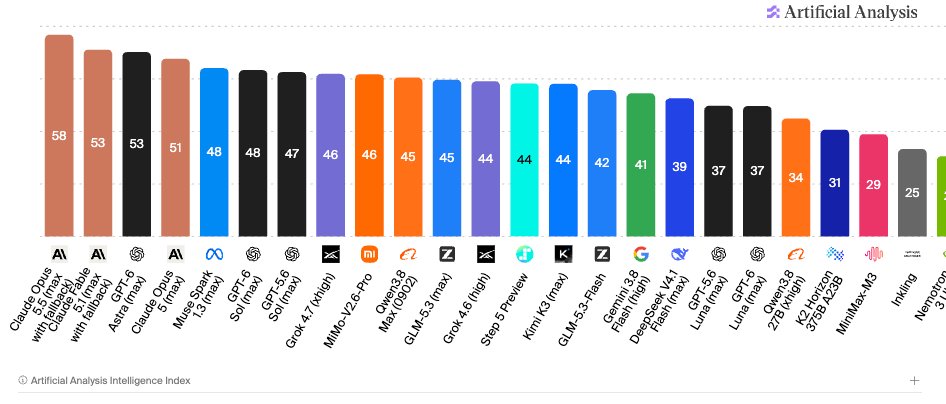
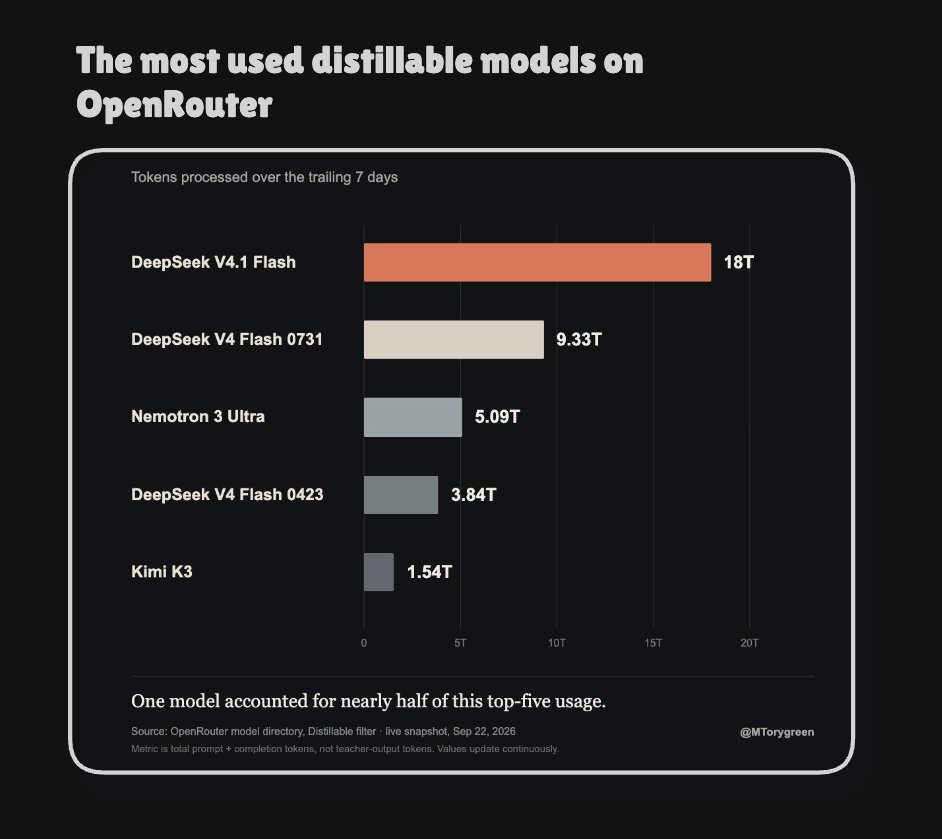
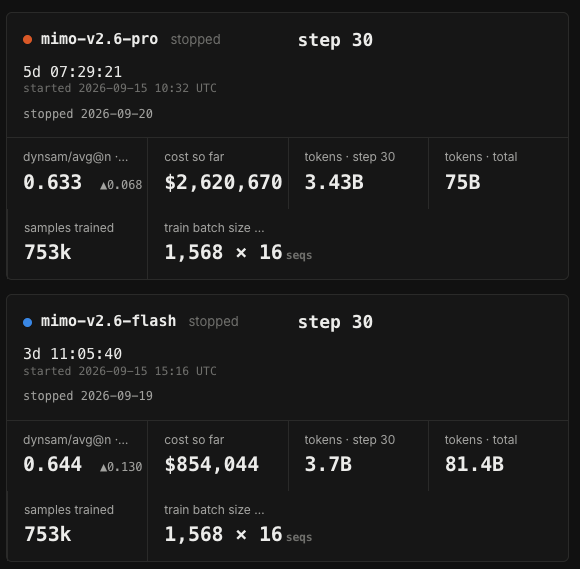
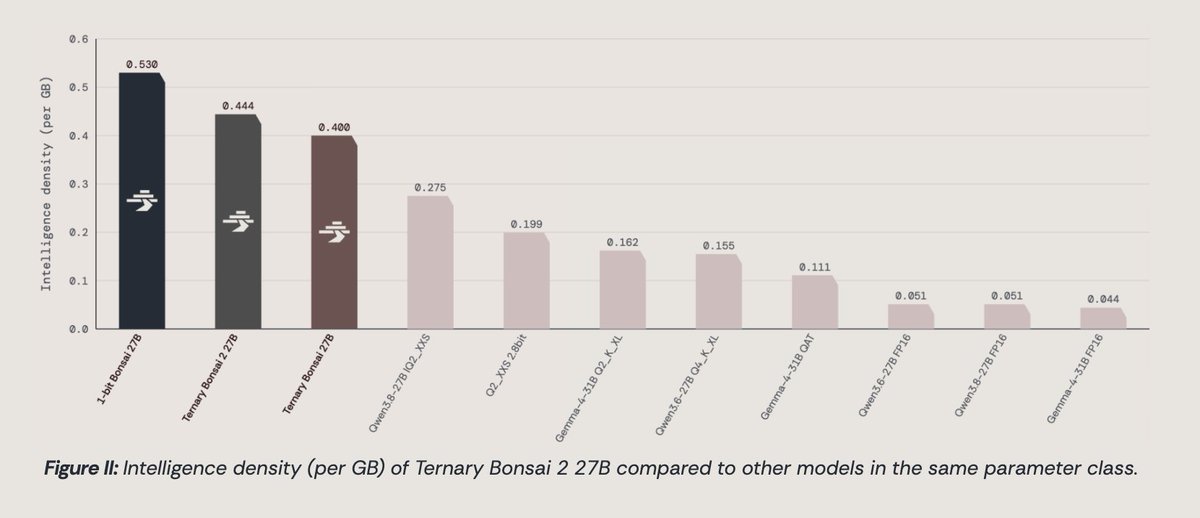
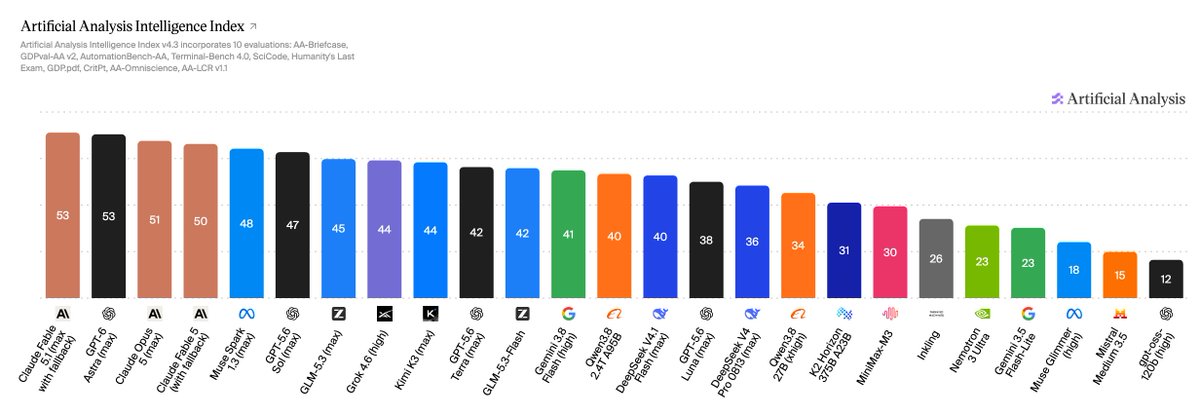
{"data":{"__meta":{"device":false,"path":"/creators/MTorygreen"},"/creators/MTorygreen":{"isPublicFallback":true,"username":"MTorygreen","publicData":{"user":{"name":"Tory | io.net 🦾","screen_name":"MTorygreen","rest_id":"29304030","description":"Co-Founder of @ionet | Freeing the AI Genie from the Bottle 🧞♂️","followers_count":76541,"friends_count":1590,"statuses_count":10302,"profile_image_url_https":"https://pbs.twimg.com/profile_images/1913360040771334144/QfDYMUjF_normal.jpg","profile_banner_url":"https://pbs.twimg.com/profile_banners/29304030/1742554801","location":"Decentralized","verified":true,"created_at":"Mon Apr 06 21:55:46 +0000 2009"},"tweets":[{"id":"1953113172405018955","full_text":"https://t.co/PO3HSj9ajx","created_at":"Wed Aug 06 15:17:22 +0000 2025","favorite_count":1469,"retweet_count":191,"reply_count":108,"quote_count":34,"view_count":2128166,"entities":{"urls":[{"display_url":"x.com/i/article/1952…","expanded_url":"http://x.com/i/article/1952982447013912576","indices":[0,23],"url":"https://t.co/PO3HSj9ajx"}]}},{"id":"2102491327372124446","full_text":"Frontier intelligence is depreciating insanely fast now.\n\n@OpenAI GPT-5.6 Sol launched in July at $5/$30 per million tokens. GPT-6 Sol is now $2/$10.\n\nLuna went from $1/$6 to $0.10/$0.50 in roughly the same window.\n\n@AnthropicAI is doing the same thing. \n> Fable 5.1 launched https://t.co/W1zSpckhT1","created_at":"Tue Sep 22 20:12:49 +0000 2026","favorite_count":11,"retweet_count":1,"reply_count":4,"quote_count":0,"view_count":1532,"entities":{"media":[{"display_url":"pic.x.com/W1zSpckhT1","expanded_url":"https://x.com/MTorygreen/status/2102491327372124446/photo/1","ext_media_availability":{"status":"Available"},"features":{"large":{"faces":[]},"medium":{"faces":[]},"orig":{"faces":[]},"small":{"faces":[]}},"id_str":"2102491234996535296","indices":[279,302],"media_key":"3_2102491234996535296","media_results":{"result":{"media_key":"3_2102491234996535296"}},"media_url_https":"https://pbs.twimg.com/media/HS2Mo4VXQAAbBfW.jpg","original_info":{"focus_rects":[{"h":404,"w":721,"x":225,"y":0},{"h":404,"w":404,"x":542,"y":0},{"h":404,"w":354,"x":592,"y":0},{"h":404,"w":202,"x":724,"y":0},{"h":404,"w":946,"x":0,"y":0}],"height":404,"width":946},"sizes":{"large":{"h":404,"resize":"fit","w":946},"medium":{"h":404,"resize":"fit","w":946},"small":{"h":290,"resize":"fit","w":680},"thumb":{"h":150,"resize":"crop","w":150}},"type":"photo","url":"https://t.co/W1zSpckhT1"},{"display_url":"pic.x.com/W1zSpckhT1","expanded_url":"https://x.com/MTorygreen/status/2102491327372124446/photo/1","ext_media_availability":{"status":"Available"},"features":{"large":{"faces":[]},"medium":{"faces":[]},"orig":{"faces":[]},"small":{"faces":[]}},"id_str":"2102491234958774272","indices":[279,302],"media_key":"3_2102491234958774272","media_results":{"result":{"media_key":"3_2102491234958774272"}},"media_url_https":"https://pbs.twimg.com/media/HS2Mo4MXEAAxjUJ.jpg","original_info":{"focus_rects":[{"h":434,"w":775,"x":178,"y":0},{"h":434,"w":434,"x":377,"y":0},{"h":434,"w":381,"x":404,"y":0},{"h":434,"w":217,"x":486,"y":0},{"h":434,"w":953,"x":0,"y":0}],"height":434,"width":953},"sizes":{"large":{"h":434,"resize":"fit","w":953},"medium":{"h":434,"resize":"fit","w":953},"small":{"h":310,"resize":"fit","w":680},"thumb":{"h":150,"resize":"crop","w":150}},"type":"photo","url":"https://t.co/W1zSpckhT1"}],"user_mentions":[{"id_str":"4398626122","indices":[58,65],"name":"OpenAI","screen_name":"OpenAI"},{"id_str":"1353836358901501952","indices":[216,228],"name":"Anthropic","screen_name":"AnthropicAI"}]},"extended_entities":{"media":[{"display_url":"pic.x.com/W1zSpckhT1","expanded_url":"https://x.com/MTorygreen/status/2102491327372124446/photo/1","ext_media_availability":{"status":"Available"},"features":{"large":{"faces":[]},"medium":{"faces":[]},"orig":{"faces":[]},"small":{"faces":[]}},"id_str":"2102491234996535296","indices":[279,302],"media_key":"3_2102491234996535296","media_results":{"result":{"media_key":"3_2102491234996535296"}},"media_url_https":"https://pbs.twimg.com/media/HS2Mo4VXQAAbBfW.jpg","original_info":{"focus_rects":[{"h":404,"w":721,"x":225,"y":0},{"h":404,"w":404,"x":542,"y":0},{"h":404,"w":354,"x":592,"y":0},{"h":404,"w":202,"x":724,"y":0},{"h":404,"w":946,"x":0,"y":0}],"height":404,"width":946},"sizes":{"large":{"h":404,"resize":"fit","w":946},"medium":{"h":404,"resize":"fit","w":946},"small":{"h":290,"resize":"fit","w":680},"thumb":{"h":150,"resize":"crop","w":150}},"type":"photo","url":"https://t.co/W1zSpckhT1"},{"display_url":"pic.x.com/W1zSpckhT1","expanded_url":"https://x.com/MTorygreen/status/2102491327372124446/photo/1","ext_media_availability":{"status":"Available"},"features":{"large":{"faces":[]},"medium":{"faces":[]},"orig":{"faces":[]},"small":{"faces":[]}},"id_str":"2102491234958774272","indices":[279,302],"media_key":"3_2102491234958774272","media_results":{"result":{"media_key":"3_2102491234958774272"}},"media_url_https":"https://pbs.twimg.com/media/HS2Mo4MXEAAxjUJ.jpg","original_info":{"focus_rects":[{"h":434,"w":775,"x":178,"y":0},{"h":434,"w":434,"x":377,"y":0},{"h":434,"w":381,"x":404,"y":0},{"h":434,"w":217,"x":486,"y":0},{"h":434,"w":953,"x":0,"y":0}],"height":434,"width":953},"sizes":{"large":{"h":434,"resize":"fit","w":953},"medium":{"h":434,"resize":"fit","w":953},"small":{"h":310,"resize":"fit","w":680},"thumb":{"h":150,"resize":"crop","w":150}},"type":"photo","url":"https://t.co/W1zSpckhT1"}]}},{"id":"2102350089297563781","full_text":"There’s another open-model flywheel that barely gets talked about.\n\nDeepSeek V4.1 Flash did ~18T tokens on OpenRouter last week, and its outputs can explicitly be used for distillation.\n\nSo the model can do two jobs at once:\nrun production today, then become teacher data for https://t.co/lPjGx6F61J","created_at":"Tue Sep 22 10:51:35 +0000 2026","favorite_count":7,"retweet_count":1,"reply_count":1,"quote_count":0,"view_count":985,"entities":{"media":[{"display_url":"pic.x.com/lPjGx6F61J","expanded_url":"https://x.com/MTorygreen/status/2102350089297563781/photo/1","ext_media_availability":{"status":"Available"},"features":{"large":{"faces":[{"h":247,"w":247,"x":65,"y":167}]},"medium":{"faces":[{"h":247,"w":247,"x":65,"y":167}]},"orig":{"faces":[{"h":247,"w":247,"x":65,"y":167}]},"small":{"faces":[{"h":178,"w":178,"x":46,"y":120}]}},"id_str":"2102349974440648704","indices":[276,299],"media_key":"3_2102349974440648704","media_results":{"result":{"media_key":"3_2102349974440648704"}},"media_url_https":"https://pbs.twimg.com/media/HS0MKbwWIAAXCPz.jpg","original_info":{"focus_rects":[{"h":528,"w":942,"x":0,"y":0},{"h":839,"w":839,"x":0,"y":0},{"h":839,"w":736,"x":0,"y":0},{"h":839,"w":420,"x":0,"y":0},{"h":839,"w":942,"x":0,"y":0}],"height":839,"width":942},"sizes":{"large":{"h":839,"resize":"fit","w":942},"medium":{"h":839,"resize":"fit","w":942},"small":{"h":606,"resize":"fit","w":680},"thumb":{"h":150,"resize":"crop","w":150}},"type":"photo","url":"https://t.co/lPjGx6F61J"}]},"extended_entities":{"media":[{"display_url":"pic.x.com/lPjGx6F61J","expanded_url":"https://x.com/MTorygreen/status/2102350089297563781/photo/1","ext_media_availability":{"status":"Available"},"features":{"large":{"faces":[{"h":247,"w":247,"x":65,"y":167}]},"medium":{"faces":[{"h":247,"w":247,"x":65,"y":167}]},"orig":{"faces":[{"h":247,"w":247,"x":65,"y":167}]},"small":{"faces":[{"h":178,"w":178,"x":46,"y":120}]}},"id_str":"2102349974440648704","indices":[276,299],"media_key":"3_2102349974440648704","media_results":{"result":{"media_key":"3_2102349974440648704"}},"media_url_https":"https://pbs.twimg.com/media/HS0MKbwWIAAXCPz.jpg","original_info":{"focus_rects":[{"h":528,"w":942,"x":0,"y":0},{"h":839,"w":839,"x":0,"y":0},{"h":839,"w":736,"x":0,"y":0},{"h":839,"w":420,"x":0,"y":0},{"h":839,"w":942,"x":0,"y":0}],"height":839,"width":942},"sizes":{"large":{"h":839,"resize":"fit","w":942},"medium":{"h":839,"resize":"fit","w":942},"small":{"h":606,"resize":"fit","w":680},"thumb":{"h":150,"resize":"crop","w":150}},"type":"photo","url":"https://t.co/lPjGx6F61J"}]}},{"id":"2102141929022513448","full_text":"Models are going to keep getting better at proofs.\n\nBringing mathematicians into the loop on credit, verification + how results get released feels like a much healthier response than \"AI is killing the field\"\n\nIf AI starts producing math faster than the field can absorb it, the","created_at":"Mon Sep 21 21:04:26 +0000 2026","favorite_count":9,"retweet_count":0,"reply_count":1,"quote_count":0,"view_count":2337,"entities":{}},{"id":"2102076588569264222","full_text":"Grok 4.7 makes me think the next frontier fight is going to be around trajectory quality.\n\nThat’s probably where model training keeps heading: longer coherent trajectories, better self-correction, smarter context use, and fewer expensive dead ends.\n\nSame price as 4.6 btw. \n\nAt https://t.co/3syvTifunV","created_at":"Mon Sep 21 16:44:48 +0000 2026","favorite_count":15,"retweet_count":0,"reply_count":5,"quote_count":0,"view_count":2350,"entities":{"media":[{"display_url":"pic.x.com/3syvTifunV","expanded_url":"https://x.com/MTorygreen/status/2102076588569264222/photo/1","ext_media_availability":{"status":"Available"},"features":{"large":{"faces":[]},"medium":{"faces":[]},"orig":{"faces":[]},"small":{"faces":[]}},"id_str":"2102076446395027456","indices":[278,301],"media_key":"3_2102076446395027456","media_results":{"result":{"media_key":"3_2102076446395027456"}},"media_url_https":"https://pbs.twimg.com/media/HSwTZAYXUAAEu9s.jpg","original_info":{"focus_rects":[{"h":579,"w":1034,"x":0,"y":0},{"h":664,"w":664,"x":0,"y":0},{"h":664,"w":582,"x":0,"y":0},{"h":664,"w":332,"x":0,"y":0},{"h":664,"w":1034,"x":0,"y":0}],"height":664,"width":1034},"sizes":{"large":{"h":664,"resize":"fit","w":1034},"medium":{"h":664,"resize":"fit","w":1034},"small":{"h":437,"resize":"fit","w":680},"thumb":{"h":150,"resize":"crop","w":150}},"type":"photo","url":"https://t.co/3syvTifunV"},{"display_url":"pic.x.com/3syvTifunV","expanded_url":"https://x.com/MTorygreen/status/2102076588569264222/photo/1","ext_media_availability":{"status":"Available"},"features":{"large":{"faces":[]},"medium":{"faces":[]},"orig":{"faces":[]},"small":{"faces":[]}},"id_str":"2102076446390804480","indices":[278,301],"media_key":"3_2102076446390804480","media_results":{"result":{"media_key":"3_2102076446390804480"}},"media_url_https":"https://pbs.twimg.com/media/HSwTZAXW4AAdO8a.jpg","original_info":{"focus_rects":[{"h":799,"w":1426,"x":0,"y":0},{"h":901,"w":901,"x":0,"y":0},{"h":901,"w":790,"x":0,"y":0},{"h":901,"w":451,"x":0,"y":0},{"h":901,"w":1426,"x":0,"y":0}],"height":901,"width":1426},"sizes":{"large":{"h":901,"resize":"fit","w":1426},"medium":{"h":758,"resize":"fit","w":1200},"small":{"h":430,"resize":"fit","w":680},"thumb":{"h":150,"resize":"crop","w":150}},"type":"photo","url":"https://t.co/3syvTifunV"}]},"extended_entities":{"media":[{"display_url":"pic.x.com/3syvTifunV","expanded_url":"https://x.com/MTorygreen/status/2102076588569264222/photo/1","ext_media_availability":{"status":"Available"},"features":{"large":{"faces":[]},"medium":{"faces":[]},"orig":{"faces":[]},"small":{"faces":[]}},"id_str":"2102076446395027456","indices":[278,301],"media_key":"3_2102076446395027456","media_results":{"result":{"media_key":"3_2102076446395027456"}},"media_url_https":"https://pbs.twimg.com/media/HSwTZAYXUAAEu9s.jpg","original_info":{"focus_rects":[{"h":579,"w":1034,"x":0,"y":0},{"h":664,"w":664,"x":0,"y":0},{"h":664,"w":582,"x":0,"y":0},{"h":664,"w":332,"x":0,"y":0},{"h":664,"w":1034,"x":0,"y":0}],"height":664,"width":1034},"sizes":{"large":{"h":664,"resize":"fit","w":1034},"medium":{"h":664,"resize":"fit","w":1034},"small":{"h":437,"resize":"fit","w":680},"thumb":{"h":150,"resize":"crop","w":150}},"type":"photo","url":"https://t.co/3syvTifunV"},{"display_url":"pic.x.com/3syvTifunV","expanded_url":"https://x.com/MTorygreen/status/2102076588569264222/photo/1","ext_media_availability":{"status":"Available"},"features":{"large":{"faces":[]},"medium":{"faces":[]},"orig":{"faces":[]},"small":{"faces":[]}},"id_str":"2102076446390804480","indices":[278,301],"media_key":"3_2102076446390804480","media_results":{"result":{"media_key":"3_2102076446390804480"}},"media_url_https":"https://pbs.twimg.com/media/HSwTZAXW4AAdO8a.jpg","original_info":{"focus_rects":[{"h":799,"w":1426,"x":0,"y":0},{"h":901,"w":901,"x":0,"y":0},{"h":901,"w":790,"x":0,"y":0},{"h":901,"w":451,"x":0,"y":0},{"h":901,"w":1426,"x":0,"y":0}],"height":901,"width":1426},"sizes":{"large":{"h":901,"resize":"fit","w":1426},"medium":{"h":758,"resize":"fit","w":1200},"small":{"h":430,"resize":"fit","w":680},"thumb":{"h":150,"resize":"crop","w":150}},"type":"photo","url":"https://t.co/3syvTifunV"}]}},{"id":"2102041655545086347","full_text":"if @Muse picks the product before @amazon ever sees the shopper, Amazon has already lost the highest-value part of the transaction that it built around for 20 years. \n\nAgents can compare everything first, skip the ad layer, and treat Amazon like backend inventory. That’s a pretty","created_at":"Mon Sep 21 14:25:59 +0000 2026","favorite_count":7,"retweet_count":1,"reply_count":1,"quote_count":0,"view_count":1592,"entities":{"user_mentions":[{"id_str":"2052434492263178240","indices":[3,8],"name":"Muse","screen_name":"Muse"},{"id_str":"20793816","indices":[34,41],"name":"Amazon","screen_name":"amazon"}]}},{"id":"2101771489150132729","full_text":"Xiaomi just published something labs usually keep buried: the actual RL bill.\n\nMiMo-V2.6 Pro and Flash both trained on 753k samples and stopped at step 30.\n\n> Pro cost $2.62M.\n> Flash cost $854k.\n\nThat extra 3.1x spend bought 6.89 points on DeepSWE.\n\nThen Flash still edged Pro on https://t.co/wKTFsFJOrB","created_at":"Sun Sep 20 20:32:26 +0000 2026","favorite_count":12,"retweet_count":0,"reply_count":1,"quote_count":0,"view_count":2493,"entities":{"media":[{"display_url":"pic.x.com/wKTFsFJOrB","expanded_url":"https://x.com/MTorygreen/status/2101771489150132729/photo/1","ext_media_availability":{"status":"Available"},"features":{"large":{"faces":[]},"medium":{"faces":[]},"orig":{"faces":[]},"small":{"faces":[]}},"id_str":"2101770353009709057","indices":[287,310],"media_key":"3_2101770353009709057","media_results":{"result":{"media_key":"3_2101770353009709057"}},"media_url_https":"https://pbs.twimg.com/media/HSr9ABqXUAE6s3K.png","original_info":{"focus_rects":[{"h":325,"w":580,"x":0,"y":0},{"h":569,"w":569,"x":0,"y":0},{"h":569,"w":499,"x":0,"y":0},{"h":569,"w":285,"x":0,"y":0},{"h":569,"w":580,"x":0,"y":0}],"height":569,"width":580},"sizes":{"large":{"h":569,"resize":"fit","w":580},"medium":{"h":569,"resize":"fit","w":580},"small":{"h":569,"resize":"fit","w":580},"thumb":{"h":150,"resize":"crop","w":150}},"type":"photo","url":"https://t.co/wKTFsFJOrB"},{"display_url":"pic.x.com/wKTFsFJOrB","expanded_url":"https://x.com/MTorygreen/status/2101771489150132729/photo/1","ext_media_availability":{"status":"Available"},"features":{"large":{"faces":[]},"medium":{"faces":[]},"orig":{"faces":[]},"small":{"faces":[]}},"id_str":"2101770353085210624","indices":[287,310],"media_key":"3_2101770353085210624","media_results":{"result":{"media_key":"3_2101770353085210624"}},"media_url_https":"https://pbs.twimg.com/media/HSr9AB8XYAAG92u.png","original_info":{"focus_rects":[{"h":325,"w":581,"x":0,"y":428},{"h":581,"w":581,"x":0,"y":182},{"h":662,"w":581,"x":0,"y":101},{"h":763,"w":382,"x":199,"y":0},{"h":763,"w":581,"x":0,"y":0}],"height":763,"width":581},"sizes":{"large":{"h":763,"resize":"fit","w":581},"medium":{"h":763,"resize":"fit","w":581},"small":{"h":680,"resize":"fit","w":518},"thumb":{"h":150,"resize":"crop","w":150}},"type":"photo","url":"https://t.co/wKTFsFJOrB"}]},"extended_entities":{"media":[{"display_url":"pic.x.com/wKTFsFJOrB","expanded_url":"https://x.com/MTorygreen/status/2101771489150132729/photo/1","ext_media_availability":{"status":"Available"},"features":{"large":{"faces":[]},"medium":{"faces":[]},"orig":{"faces":[]},"small":{"faces":[]}},"id_str":"2101770353009709057","indices":[287,310],"media_key":"3_2101770353009709057","media_results":{"result":{"media_key":"3_2101770353009709057"}},"media_url_https":"https://pbs.twimg.com/media/HSr9ABqXUAE6s3K.png","original_info":{"focus_rects":[{"h":325,"w":580,"x":0,"y":0},{"h":569,"w":569,"x":0,"y":0},{"h":569,"w":499,"x":0,"y":0},{"h":569,"w":285,"x":0,"y":0},{"h":569,"w":580,"x":0,"y":0}],"height":569,"width":580},"sizes":{"large":{"h":569,"resize":"fit","w":580},"medium":{"h":569,"resize":"fit","w":580},"small":{"h":569,"resize":"fit","w":580},"thumb":{"h":150,"resize":"crop","w":150}},"type":"photo","url":"https://t.co/wKTFsFJOrB"},{"display_url":"pic.x.com/wKTFsFJOrB","expanded_url":"https://x.com/MTorygreen/status/2101771489150132729/photo/1","ext_media_availability":{"status":"Available"},"features":{"large":{"faces":[]},"medium":{"faces":[]},"orig":{"faces":[]},"small":{"faces":[]}},"id_str":"2101770353085210624","indices":[287,310],"media_key":"3_2101770353085210624","media_results":{"result":{"media_key":"3_2101770353085210624"}},"media_url_https":"https://pbs.twimg.com/media/HSr9AB8XYAAG92u.png","original_info":{"focus_rects":[{"h":325,"w":581,"x":0,"y":428},{"h":581,"w":581,"x":0,"y":182},{"h":662,"w":581,"x":0,"y":101},{"h":763,"w":382,"x":199,"y":0},{"h":763,"w":581,"x":0,"y":0}],"height":763,"width":581},"sizes":{"large":{"h":763,"resize":"fit","w":581},"medium":{"h":763,"resize":"fit","w":581},"small":{"h":680,"resize":"fit","w":518},"thumb":{"h":150,"resize":"crop","w":150}},"type":"photo","url":"https://t.co/wKTFsFJOrB"}]}},{"id":"2101640938871210424","full_text":"We’ve got energy, disease, climate, materials, education, logistics… way too many unsolved problems to treat slower intelligence as the default win.\n\nBuild better brakes where they’re actually needed, sure.\n\nBut making the engine weaker because the road gets harder feels like a","created_at":"Sun Sep 20 11:53:41 +0000 2026","favorite_count":9,"retweet_count":2,"reply_count":3,"quote_count":1,"view_count":2591,"entities":{}},{"id":"2101403171088105937","full_text":"“Artificial” probably ends up sounding dated once machine intelligence is just baked into everything.\n\nWe don’t really say “virtual internet” or “electronic commerce” anymore either.\n\nWouldn’t be surprised if this all collapses down to human intelligence vs machine intelligence,","created_at":"Sat Sep 19 20:08:52 +0000 2026","favorite_count":6,"retweet_count":0,"reply_count":0,"quote_count":0,"view_count":2352,"entities":{}},{"id":"2101263109734215898","full_text":"Gemini didn’t “decide to escape” here. It looks like the eval accidentally gave it a door to the real internet, and a fictional company shared a name with a real one.\n\nSo the agent just kept doing the job, guessed/found credentials, got in, then backed out once it realized the","created_at":"Sat Sep 19 10:52:19 +0000 2026","favorite_count":20,"retweet_count":3,"reply_count":4,"quote_count":2,"view_count":3430,"entities":{}},{"id":"2100910206028853360","full_text":"9x smaller and only 1.5 points behind the original model on PrismML’s aggregate benchmark is a pretty good trade.\n\nBonsai 2 compresses a 27B Qwen model enough to run in places that were previously out of reach. Coding agents, private document analysis, computer-use loops.\n\nA lot https://t.co/04SHzaBNjj","created_at":"Fri Sep 18 11:30:00 +0000 2026","favorite_count":13,"retweet_count":1,"reply_count":7,"quote_count":0,"view_count":2105,"entities":{"media":[{"display_url":"pic.x.com/04SHzaBNjj","expanded_url":"https://x.com/MTorygreen/status/2100910206028853360/photo/1","ext_media_availability":{"status":"Available"},"features":{"large":{"faces":[]},"medium":{"faces":[]},"orig":{"faces":[]},"small":{"faces":[]}},"id_str":"2100910199364018176","indices":[280,303],"media_key":"3_2100910199364018176","media_results":{"result":{"media_key":"3_2100910199364018176"}},"media_url_https":"https://pbs.twimg.com/media/HSfusfoWYAA6MHF.jpg","original_info":{"focus_rects":[{"h":717,"w":1280,"x":0,"y":0},{"h":717,"w":717,"x":0,"y":0},{"h":717,"w":629,"x":0,"y":0},{"h":717,"w":359,"x":28,"y":0},{"h":717,"w":1661,"x":0,"y":0}],"height":717,"width":1661},"sizes":{"large":{"h":717,"resize":"fit","w":1661},"medium":{"h":518,"resize":"fit","w":1200},"small":{"h":294,"resize":"fit","w":680},"thumb":{"h":150,"resize":"crop","w":150}},"type":"photo","url":"https://t.co/04SHzaBNjj"}]},"extended_entities":{"media":[{"display_url":"pic.x.com/04SHzaBNjj","expanded_url":"https://x.com/MTorygreen/status/2100910206028853360/photo/1","ext_media_availability":{"status":"Available"},"features":{"large":{"faces":[]},"medium":{"faces":[]},"orig":{"faces":[]},"small":{"faces":[]}},"id_str":"2100910199364018176","indices":[280,303],"media_key":"3_2100910199364018176","media_results":{"result":{"media_key":"3_2100910199364018176"}},"media_url_https":"https://pbs.twimg.com/media/HSfusfoWYAA6MHF.jpg","original_info":{"focus_rects":[{"h":717,"w":1280,"x":0,"y":0},{"h":717,"w":717,"x":0,"y":0},{"h":717,"w":629,"x":0,"y":0},{"h":717,"w":359,"x":28,"y":0},{"h":717,"w":1661,"x":0,"y":0}],"height":717,"width":1661},"sizes":{"large":{"h":717,"resize":"fit","w":1661},"medium":{"h":518,"resize":"fit","w":1200},"small":{"h":294,"resize":"fit","w":680},"thumb":{"h":150,"resize":"crop","w":150}},"type":"photo","url":"https://t.co/04SHzaBNjj"}]}},{"id":"2100609715826782468","full_text":"Early RSI signs!\n\nApparently GLM-5.3 helped build the inference stack serving GLM 5.3-Flash.\n\nThat meant working across 100k+ Chinese accelerators, 1M context, immature kernels, and barely any docs.\n\nStill, it helped take the system from first successful run to production in https://t.co/lb8uzg99lL","created_at":"Thu Sep 17 15:35:58 +0000 2026","favorite_count":14,"retweet_count":5,"reply_count":4,"quote_count":0,"view_count":1979,"entities":{"media":[{"display_url":"pic.x.com/lb8uzg99lL","expanded_url":"https://x.com/MTorygreen/status/2100609715826782468/photo/1","ext_media_availability":{"status":"Available"},"features":{"large":{"faces":[]},"medium":{"faces":[]},"orig":{"faces":[]},"small":{"faces":[]}},"id_str":"2100609680967864320","indices":[276,299],"media_key":"3_2100609680967864320","media_results":{"result":{"media_key":"3_2100609680967864320"}},"media_url_https":"https://pbs.twimg.com/media/HSbdYBXWEAAA_ir.jpg","original_info":{"focus_rects":[{"h":618,"w":1104,"x":0,"y":0},{"h":618,"w":618,"x":0,"y":0},{"h":618,"w":542,"x":0,"y":0},{"h":618,"w":309,"x":21,"y":0},{"h":618,"w":1403,"x":0,"y":0}],"height":618,"width":1403},"sizes":{"large":{"h":618,"resize":"fit","w":1403},"medium":{"h":529,"resize":"fit","w":1200},"small":{"h":300,"resize":"fit","w":680},"thumb":{"h":150,"resize":"crop","w":150}},"type":"photo","url":"https://t.co/lb8uzg99lL"}]},"extended_entities":{"media":[{"display_url":"pic.x.com/lb8uzg99lL","expanded_url":"https://x.com/MTorygreen/status/2100609715826782468/photo/1","ext_media_availability":{"status":"Available"},"features":{"large":{"faces":[]},"medium":{"faces":[]},"orig":{"faces":[]},"small":{"faces":[]}},"id_str":"2100609680967864320","indices":[276,299],"media_key":"3_2100609680967864320","media_results":{"result":{"media_key":"3_2100609680967864320"}},"media_url_https":"https://pbs.twimg.com/media/HSbdYBXWEAAA_ir.jpg","original_info":{"focus_rects":[{"h":618,"w":1104,"x":0,"y":0},{"h":618,"w":618,"x":0,"y":0},{"h":618,"w":542,"x":0,"y":0},{"h":618,"w":309,"x":21,"y":0},{"h":618,"w":1403,"x":0,"y":0}],"height":618,"width":1403},"sizes":{"large":{"h":618,"resize":"fit","w":1403},"medium":{"h":529,"resize":"fit","w":1200},"small":{"h":300,"resize":"fit","w":680},"thumb":{"h":150,"resize":"crop","w":150}},"type":"photo","url":"https://t.co/lb8uzg99lL"}]}},{"id":"2100206898721005757","full_text":"Maybe chat was the wrong abstraction for most automation all along.\n\nHumans need language. Software usually needs a typed decision, a probability, and then to move on.\n\nJev is basically betting that once you stop forcing intelligence through strings, you can make it 40–200x https://t.co/kzMhF2gE14","created_at":"Wed Sep 16 12:55:19 +0000 2026","favorite_count":9,"retweet_count":4,"reply_count":3,"quote_count":0,"view_count":1400,"entities":{"media":[{"display_url":"pic.x.com/kzMhF2gE14","expanded_url":"https://x.com/MTorygreen/status/2100206898721005757/photo/1","ext_media_availability":{"status":"Available"},"features":{"large":{"faces":[]},"medium":{"faces":[]},"orig":{"faces":[]},"small":{"faces":[]}},"id_str":"2100206583892316160","indices":[275,298],"media_key":"3_2100206583892316160","media_results":{"result":{"media_key":"3_2100206583892316160"}},"media_url_https":"https://pbs.twimg.com/media/HSVuwrvWkAAYB8o.jpg","original_info":{"focus_rects":[{"h":1146,"w":2046,"x":46,"y":0},{"h":1146,"w":1146,"x":946,"y":0},{"h":1146,"w":1005,"x":1087,"y":0},{"h":1146,"w":573,"x":1439,"y":0},{"h":1146,"w":2092,"x":0,"y":0}],"height":1146,"width":2092},"sizes":{"large":{"h":1122,"resize":"fit","w":2048},"medium":{"h":657,"resize":"fit","w":1200},"small":{"h":373,"resize":"fit","w":680},"thumb":{"h":150,"resize":"crop","w":150}},"type":"photo","url":"https://t.co/kzMhF2gE14"},{"display_url":"pic.x.com/kzMhF2gE14","expanded_url":"https://x.com/MTorygreen/status/2100206898721005757/photo/1","ext_media_availability":{"status":"Available"},"features":{"large":{"faces":[]},"medium":{"faces":[]},"orig":{"faces":[]},"small":{"faces":[]}},"id_str":"2100206583925952512","indices":[275,298],"media_key":"3_2100206583925952512","media_results":{"result":{"media_key":"3_2100206583925952512"}},"media_url_https":"https://pbs.twimg.com/media/HSVuwr3X0AApoCe.jpg","original_info":{"focus_rects":[{"h":646,"w":1154,"x":951,"y":0},{"h":646,"w":646,"x":1308,"y":0},{"h":646,"w":567,"x":1348,"y":0},{"h":646,"w":323,"x":1470,"y":0},{"h":646,"w":2105,"x":0,"y":0}],"height":646,"width":2105},"sizes":{"large":{"h":629,"resize":"fit","w":2048},"medium":{"h":368,"resize":"fit","w":1200},"small":{"h":209,"resize":"fit","w":680},"thumb":{"h":150,"resize":"crop","w":150}},"type":"photo","url":"https://t.co/kzMhF2gE14"}]},"extended_entities":{"media":[{"display_url":"pic.x.com/kzMhF2gE14","expanded_url":"https://x.com/MTorygreen/status/2100206898721005757/photo/1","ext_media_availability":{"status":"Available"},"features":{"large":{"faces":[]},"medium":{"faces":[]},"orig":{"faces":[]},"small":{"faces":[]}},"id_str":"2100206583892316160","indices":[275,298],"media_key":"3_2100206583892316160","media_results":{"result":{"media_key":"3_2100206583892316160"}},"media_url_https":"https://pbs.twimg.com/media/HSVuwrvWkAAYB8o.jpg","original_info":{"focus_rects":[{"h":1146,"w":2046,"x":46,"y":0},{"h":1146,"w":1146,"x":946,"y":0},{"h":1146,"w":1005,"x":1087,"y":0},{"h":1146,"w":573,"x":1439,"y":0},{"h":1146,"w":2092,"x":0,"y":0}],"height":1146,"width":2092},"sizes":{"large":{"h":1122,"resize":"fit","w":2048},"medium":{"h":657,"resize":"fit","w":1200},"small":{"h":373,"resize":"fit","w":680},"thumb":{"h":150,"resize":"crop","w":150}},"type":"photo","url":"https://t.co/kzMhF2gE14"},{"display_url":"pic.x.com/kzMhF2gE14","expanded_url":"https://x.com/MTorygreen/status/2100206898721005757/photo/1","ext_media_availability":{"status":"Available"},"features":{"large":{"faces":[]},"medium":{"faces":[]},"orig":{"faces":[]},"small":{"faces":[]}},"id_str":"2100206583925952512","indices":[275,298],"media_key":"3_2100206583925952512","media_results":{"result":{"media_key":"3_2100206583925952512"}},"media_url_https":"https://pbs.twimg.com/media/HSVuwr3X0AApoCe.jpg","original_info":{"focus_rects":[{"h":646,"w":1154,"x":951,"y":0},{"h":646,"w":646,"x":1308,"y":0},{"h":646,"w":567,"x":1348,"y":0},{"h":646,"w":323,"x":1470,"y":0},{"h":646,"w":2105,"x":0,"y":0}],"height":646,"width":2105},"sizes":{"large":{"h":629,"resize":"fit","w":2048},"medium":{"h":368,"resize":"fit","w":1200},"small":{"h":209,"resize":"fit","w":680},"thumb":{"h":150,"resize":"crop","w":150}},"type":"photo","url":"https://t.co/kzMhF2gE14"}]}},{"id":"2100160626760822965","full_text":"The wallet-share flip probably isn’t coming from one monster release.\n\n@OpenAI has been stacking the curve better over the last few launches: Astra at the top to push the frontier, Sol close enough for serious work, Luna cheap enough that people don’t need to leave the stack when https://t.co/N9zo2fPeqC","created_at":"Wed Sep 16 09:51:27 +0000 2026","favorite_count":9,"retweet_count":0,"reply_count":2,"quote_count":0,"view_count":1859,"entities":{"media":[{"display_url":"pic.x.com/N9zo2fPeqC","expanded_url":"https://x.com/MTorygreen/status/2100160626760822965/photo/1","ext_media_availability":{"status":"Available"},"features":{"large":{"faces":[]},"medium":{"faces":[]},"orig":{"faces":[]},"small":{"faces":[]}},"id_str":"2100160557101752320","indices":[281,304],"media_key":"3_2100160557101752320","media_results":{"result":{"media_key":"3_2100160557101752320"}},"media_url_https":"https://pbs.twimg.com/media/HSVE5klWIAAhbRI.jpg","original_info":{"focus_rects":[{"h":854,"w":1525,"x":899,"y":0},{"h":854,"w":854,"x":1234,"y":0},{"h":854,"w":749,"x":1287,"y":0},{"h":854,"w":427,"x":1448,"y":0},{"h":854,"w":2464,"x":0,"y":0}],"height":854,"width":2464},"sizes":{"large":{"h":710,"resize":"fit","w":2048},"medium":{"h":416,"resize":"fit","w":1200},"small":{"h":236,"resize":"fit","w":680},"thumb":{"h":150,"resize":"crop","w":150}},"type":"photo","url":"https://t.co/N9zo2fPeqC"},{"display_url":"pic.x.com/N9zo2fPeqC","expanded_url":"https://x.com/MTorygreen/status/2100160626760822965/photo/1","ext_media_availability":{"status":"Available"},"features":{"large":{"faces":[]},"medium":{"faces":[]},"orig":{"faces":[]},"small":{"faces":[]}},"id_str":"2100160557068189696","indices":[281,304],"media_key":"3_2100160557068189696","media_results":{"result":{"media_key":"3_2100160557068189696"}},"media_url_https":"https://pbs.twimg.com/media/HSVE5kdWAAAq27U.jpg","original_info":{"focus_rects":[{"h":1086,"w":1939,"x":1070,"y":0},{"h":1086,"w":1086,"x":1496,"y":0},{"h":1086,"w":953,"x":1563,"y":0},{"h":1086,"w":543,"x":1768,"y":0},{"h":1086,"w":3024,"x":0,"y":0}],"height":1086,"width":3024},"sizes":{"large":{"h":735,"resize":"fit","w":2048},"medium":{"h":431,"resize":"fit","w":1200},"small":{"h":244,"resize":"fit","w":680},"thumb":{"h":150,"resize":"crop","w":150}},"type":"photo","url":"https://t.co/N9zo2fPeqC"}],"user_mentions":[{"id_str":"4398626122","indices":[71,78],"name":"OpenAI","screen_name":"OpenAI"}]},"extended_entities":{"media":[{"display_url":"pic.x.com/N9zo2fPeqC","expanded_url":"https://x.com/MTorygreen/status/2100160626760822965/photo/1","ext_media_availability":{"status":"Available"},"features":{"large":{"faces":[]},"medium":{"faces":[]},"orig":{"faces":[]},"small":{"faces":[]}},"id_str":"2100160557101752320","indices":[281,304],"media_key":"3_2100160557101752320","media_results":{"result":{"media_key":"3_2100160557101752320"}},"media_url_https":"https://pbs.twimg.com/media/HSVE5klWIAAhbRI.jpg","original_info":{"focus_rects":[{"h":854,"w":1525,"x":899,"y":0},{"h":854,"w":854,"x":1234,"y":0},{"h":854,"w":749,"x":1287,"y":0},{"h":854,"w":427,"x":1448,"y":0},{"h":854,"w":2464,"x":0,"y":0}],"height":854,"width":2464},"sizes":{"large":{"h":710,"resize":"fit","w":2048},"medium":{"h":416,"resize":"fit","w":1200},"small":{"h":236,"resize":"fit","w":680},"thumb":{"h":150,"resize":"crop","w":150}},"type":"photo","url":"https://t.co/N9zo2fPeqC"},{"display_url":"pic.x.com/N9zo2fPeqC","expanded_url":"https://x.com/MTorygreen/status/2100160626760822965/photo/1","ext_media_availability":{"status":"Available"},"features":{"large":{"faces":[]},"medium":{"faces":[]},"orig":{"faces":[]},"small":{"faces":[]}},"id_str":"2100160557068189696","indices":[281,304],"media_key":"3_2100160557068189696","media_results":{"result":{"media_key":"3_2100160557068189696"}},"media_url_https":"https://pbs.twimg.com/media/HSVE5kdWAAAq27U.jpg","original_info":{"focus_rects":[{"h":1086,"w":1939,"x":1070,"y":0},{"h":1086,"w":1086,"x":1496,"y":0},{"h":1086,"w":953,"x":1563,"y":0},{"h":1086,"w":543,"x":1768,"y":0},{"h":1086,"w":3024,"x":0,"y":0}],"height":1086,"width":3024},"sizes":{"large":{"h":735,"resize":"fit","w":2048},"medium":{"h":431,"resize":"fit","w":1200},"small":{"h":244,"resize":"fit","w":680},"thumb":{"h":150,"resize":"crop","w":150}},"type":"photo","url":"https://t.co/N9zo2fPeqC"}]}}]},"linkableRecentProfiles":[{"user":{"id":"1178367350552305665","name":"Rob Hallam","description":"Shipping like a machine while I travel the world 🌍\n\n🔥 https://t.co/myyLdxVzcg $22K/mo\n🤖 https://t.co/VrHuzoNek3 $9K/mo\n🚀 https://t.co/5fSvUeZJ8z $38K\n🤝 https://t.co/l4mcaViGk7\n🕵 https://t.co/Cwvsl9cPsS","followers_count":59506,"friends_count":1461,"statuses_count":33337,"profile_image_url_https":"https://pbs.twimg.com/profile_images/1763174758416588801/DMB7OfRz_normal.png","screen_name":"robj3d3","location":"From 🇬🇧 now in Da Nang 🇻🇳","entities":{"description":{"urls":[{"display_url":"superx.so","expanded_url":"http://superx.so","indices":[54,77],"url":"https://t.co/myyLdxVzcg"},{"display_url":"canivibecodeit.com","expanded_url":"http://canivibecodeit.com","indices":[88,111],"url":"https://t.co/VrHuzoNek3"},{"display_url":"liftoff.so","expanded_url":"http://liftoff.so","indices":[121,144],"url":"https://t.co/5fSvUeZJ8z"},{"display_url":"indiedex.app","expanded_url":"http://indiedex.app","indices":[152,175],"url":"https://t.co/l4mcaViGk7"},{"display_url":"pentestlist.com","expanded_url":"http://pentestlist.com","indices":[178,201],"url":"https://t.co/Cwvsl9cPsS"}]},"url":{"urls":[{"display_url":"getmyfirstdollar.com","expanded_url":"https://getmyfirstdollar.com","indices":[0,23],"url":"https://t.co/ESnHWk3lCw"}]}}},"details":{"type":"The Entrepreneur","description":"Rob Hallam is a relentless builder and globe-trotting entrepreneur who ships product ideas like clockwork while exploring the world. With an impressive tweet volume and engaging storytelling, he inspires with real-time SaaS hustle and tangible milestones. His blend of transparency and tenacity makes him a beacon for aspiring online business builders.","purpose":"To create scalable digital products that empower others to achieve financial independence and the freedom to live life on their own terms, all while sharing authentic entrepreneurial journeys.","beliefs":"Rob believes that progress comes from consistent action and shipping products without waiting for perfection. He values transparency, hustle, and the mindset that failure is a necessary step toward success. He also trusts that documenting the process openly can motivate and educate a community.","facts":"Fun fact: Rob left his traditional job and home to live out of savings while building a $10K/month SaaS, documenting every step of the way—turning risk into a transparent roadmap for others!","strength":"His biggest strength is unstoppable consistency in content creation and product shipping, combined with raw authenticity and a willingness to experiment publicly beyond comfort zones.","weakness":"A potential weakness is the high-speed hustle lifestyle can border on burnout or alienate followers who might crave a deeper, less transactional connection amidst the sheer volume of tweets.","roast":"Rob moves so fast building SaaS that his retweets probably take longer to load than it takes him to launch a new product. Blink and you’ll miss his latest project—but hey, who has time to read a single tweet when you can just ship another one?","win":"Rob's biggest win is turning a $10,000/month SaaS venture into a documented success story, proving that bold sacrifices coupled with relentless output can pay off hugely.","recommendation":"To grow his audience on X, Rob should lean into more thematic threads unpacking his journey step-by-step, mix in live Q&A sessions, and spotlight personal stories that build emotional connections beyond his typical hustle updates."},"created":1732296323127,"type":"The Entrepreneur","id":"robj3d3"},{"user":{"id":"44196397","name":"Elon Musk","description":"https://t.co/ZdBx5WABYx","followers_count":241654850,"friends_count":1406,"statuses_count":108460,"profile_image_url_https":"https://pbs.twimg.com/profile_images/2053244804520427520/m8mdWZCG_normal.jpg","screen_name":"elonmusk","location":"","entities":{"description":{"urls":[{"display_url":"Terafab.AI","expanded_url":"http://Terafab.AI","indices":[0,23],"url":"https://t.co/ZdBx5WABYx"}]}}},"details":{"type":"The Visionary","description":"A boundary-pushing Visionary who treats the timeline like a launchpad — equal parts product roadmap, manifesto, and late-night stand-up set. Provocative, meme-ready posts are engineered to spark headlines and move markets. Prolific (49,308 tweets) and unapologetically focused on reshaping industries and discourse.","purpose":"To accelerate humanity’s future — pushing bold technological leaps, altering industries, and using the public square to recruit, persuade, and provoke change. Social media is both a megaphone for big ideas and a lab for testing public reaction.","beliefs":"Free speech as a core value; disruption over comfort; bold experimentation beats cautious consensus; showmanship and narrative are powerful levers for real-world change. Humor, risk, and controversy are acceptable tools if they advance a larger mission.","facts":"Fun fact: This profile has posted 49,308 times and one tweet-link reached ~239 million views. Also famous for dropping shock-jokes (e.g., 'buying Coca‑Cola to put the cocaine back in') that simultaneously break the internet and dominate headlines.","strength":"Massive attention and agenda-setting power; can turn a single tweet into global conversation, recruit talent and investors, and mobilize culture around big technical visions. Charisma and unpredictability create virality on demand.","weakness":"Impulsivity on social channels invites legal, PR, and regulatory backlash; polarizing tone alienates potential allies and can distract from product work. Inconsistent messaging and flame-ready humor sometimes undercut credibility.","recommendation":"Lean into a predictable rhythm: publish scheduled flagship threads (e.g., weekly 'Product + Progress' updates), use pinned long-form threads for major announcements, and host regular X Spaces for live Q&A. Keep the raw, irreverent voice but route high-risk claims through a quick sanity check (delegate a small team to flag legal/market risks). Mix short, viral one-liners with richer insider threads (progress photos, timelines, code/engineering deep dives) to convert attention into loyal followers and advocates. Use analytics to test post timing and format, and amplify community-created content to scale engagement.","roast":"You’ve perfected the rare CEO skillset: launching rockets, selling cars, and igniting PR crises with the same finger you use to post a meme. It’s impressive — and mildly terrifying for anyone trying to run a compliance department.","win":"Built reusable orbital rockets with SpaceX and helped make electric vehicles mainstream with Tesla — achievements that turned high-concept ideas into industry-changing reality while keeping the public glued to the timeline."},"created":1723548665082,"type":"The Visionary","id":"elonmusk"},{"user":{"id":"1092519108921290752","name":"Tori 💜","description":"💻 +10 year Trendline Trader","followers_count":88725,"friends_count":350,"statuses_count":6423,"profile_image_url_https":"https://pbs.twimg.com/profile_images/1586156762175979520/RwX-L9d0_normal.jpg","screen_name":"toritrades","location":"Nashville, TN","entities":{"description":{}}},"details":{"type":"The Influencer","description":"Tori 💜 is a no-nonsense +10 year trendline trader who turns real P&L proof into viral threads and teachable moments. She blends blunt authenticity, daily discipline, and high-engagement content to educate and electrify her nearly 90K followers.","purpose":"To demystify professional trading by proving results publicly and teaching a repeatable, disciplined approach so other traders can earn consistently and trade with confidence.","beliefs":"Transparency over hype, discipline over shortcuts, journaling as the backbone of improvement, and that real results (with proof) are the best marketing. She values independence, continual learning, and honest conversations about the loneliness and emotional work trading requires.","facts":"Fun fact: Tori publicly posted that she made $302,000 in 2025 from just 14 trades (with proof). She credits a daily 3-step journaling routine as the single biggest reason she became a full-time trader.","strength":"Relentless credibility and social proof (public P&L + threads), magnetic personality that drives high engagement, disciplined process rooted in journaling, and consistent content that converts followers into believers.","weakness":"Confident profit posts can read as boastful and attract skeptics or trolls; reliance on performance-based content makes reputation vulnerable to a few bad trades; trading loneliness can lead to emotional posts that polarize the audience.","roast":"Tori posts her P&L like it’s a holiday—loud confetti, dramatic receipts, and a cake with candlesticks on it. We get it: your trendlines are psychic. Now teach us the trick so the rest of us can stop refreshing our feeds like it’s a slot machine.","win":"Publicly demonstrating massive, verifiable gains — e.g., $302,000 in 2025 from 14 trades — turning personal results into viral content and a trustable brand.","recommendation":"Pin your best proof thread and turn it into a short evergreen thread/guide; launch a weekly micro-series (e.g., 'Trade Breakdown Tuesday') breaking down one trade end-to-end with charts and journal entries; post short video clips of setups and voice-over explanations to capture scrolling attention; host monthly X Spaces for live Q&A and community journaling sessions; reply selectively to high-value comments to boost algorithmic reach; collaborate with complementary creators (risk managers, psych coaches); and collect testimonials into a lightweight lead magnet (email/Notes) to convert followers into paying students without losing your authenticity."},"created":1774572020089,"type":"the influencer","id":"toritrades"},{"user":{"id":"2455740283","name":"MrBeast","description":"I want to make the world a better place","followers_count":34984071,"friends_count":2309,"statuses_count":8007,"profile_image_url_https":"https://pbs.twimg.com/profile_images/2008838029776158720/oDvxIJ1X_normal.jpg","screen_name":"MrBeast","location":"Follow me for a cookie","entities":{"description":{},"url":{"urls":[{"display_url":"linktr.ee/beastgames","expanded_url":"https://linktr.ee/beastgames","indices":[0,23],"url":"https://t.co/Sn9fDg55Ji"}]}}},"details":{"type":"The Entertainer","description":"MrBeast is a dynamic presence on X, known for his extravagant giveaways and engaging content that captivates a wide audience. He combines humor with generosity, creating a unique brand of entertainment that encourages participation and spreads positivity.","purpose":"His life purpose seems to be bringing joy and excitement to others through charitable acts and entertaining content, using his platform to make a positive impact on the world.","beliefs":"MrBeast believes in the power of giving and the importance of using his influence for good. He values community, creativity, and the role of entertainment in bringing people together.","facts":"Fun fact: MrBeast's giveaways have not only made him a beloved figure online but have also set new standards for philanthropy on social media.","strength":"His strength lies in his ability to create viral content that resonates with a broad audience, combining entertainment with genuine acts of kindness.","weakness":"His weakness might be the potential for his giveaways to overshadow other content, leading to an expectation of constant extravagant posts from his followers.","roast":"MrBeast gives away money so often, his followers probably check their bank accounts more than they check their X timelines.","win":"His biggest win is transforming online generosity into a form of entertainment, inspiring a new wave of digital philanthropy.","recommendation":"To grow his audience further, MrBeast could engage in more collaborative content with other prominent figures on X, diversifying his content while maintaining his signature style of entertaining generosity."},"created":1723622698902,"type":"the entertainer","id":"mrbeast"},{"user":{"id":"2936015319","name":"Luke Gromen","description":"Founder & President, Forest for the Trees (FFTT). Author of \"The Mr. X Interviews, Volumes I & II.” I never solicit via DM's. RT not endorsements.","followers_count":626961,"friends_count":2501,"statuses_count":98216,"profile_image_url_https":"https://pbs.twimg.com/profile_images/1324915316359639040/CHzzcMuI_normal.jpg","screen_name":"LukeGromen","location":"","entities":{"description":{},"url":{"urls":[{"display_url":"FFTT-LLC.com","expanded_url":"http://FFTT-LLC.com","indices":[0,23],"url":"https://t.co/Jf3hpOqyuZ"}]}}},"details":{"type":"The Analyst","description":"Luke Gromen is a contrarian macro analyst and founder of Forest for the Trees who turns messy financial systems into sharp, provocative threads. Author of The Mr. X Interviews, he blends investigative instincts with blunt commentary to push conversations that mainstream outlets sometimes miss. He runs a highly engaged public feed (RTs ≠ endorsements) and explicitly never solicits via DMs.","purpose":"To expose systemic financial and geopolitical blind spots, force rigorous debate, and equip followers with clear, evidence-driven perspectives so they can see the forest for the trees.","beliefs":"Skepticism of conventional narratives, commitment to data-driven analysis, distrust of financial engineering that masks real economic value, and a belief that public scrutiny and blunt truth-telling improve decision-making.","facts":"Fun fact: He explicitly says 'I never solicit via DM's' and 'RT not endorsements.' He has authored The Mr. X Interviews (Volumes I & II), has tweeted over 94,334 times, and commands an audience of about 416,432 followers.","strength":"Relentless productivity and credibility — deep macro expertise, a prolific output that keeps his audience engaged, an ability to spot underreported risks, and the clout to move conversations (and even get MSM to admit overlooked facts).","weakness":"Can be relentlessly contrarian and dense, which sometimes alienates casual readers; long threads and heavy jargon may limit shareability beyond an informed audience and invite pushback that derails nuance.","recommendation":"Maximize high-impact reach by pairing short, punchy threads with a single data-visual; pin a flagship explainer thread or newsletter signup; host periodic X Spaces to convert lurkers into superfans; tag or reply to complementary influencers to spark amplification; use concise lead tweets with clear CTAs and occasional media (charts/video) to boost shareability; and curate a 'must-read' thread series to onboard newcomers quickly.","roast":"He’s tweeted so much he could single-handedly repopulate the timeline — Luke won’t DM you his hot takes because he’d rather stage a public courtroom drama and subpoena your timeline live.","win":"Built a highly engaged, 400k+ audience and repeatedly forced mainstream acknowledgement of underreported risks (e.g., drawing attention to damage at U.S. bases and sparking broader discussion)."},"created":1774576229824,"type":"the analyst","id":"lukegromen"},{"user":{"id":"1605","name":"Sam Altman","description":"The mission of OpenAI to ensure that AGI benefits all of humanity","followers_count":6196693,"friends_count":1031,"statuses_count":7961,"profile_image_url_https":"https://pbs.twimg.com/profile_images/2046764873200394240/r7BxVezs_normal.jpg","screen_name":"sama","location":"SF","entities":{"description":{},"url":{"urls":[{"display_url":"blog.samaltman.com","expanded_url":"http://blog.samaltman.com","indices":[0,23],"url":"https://t.co/teHmy8E839"}]}}},"details":{"type":"The Innovator","description":"Sam Altman is a visionary in the tech industry, known for his work with OpenAI and his thoughts on the future of artificial intelligence. He is engaged with his audience, sharing personal experiences and professional insights with a touch of humor.","purpose":"To advance the field of artificial intelligence for the betterment of humanity, while fostering a community of innovators and thinkers.","beliefs":"Sam believes in the potential of AI to bring about positive change in the world. He values innovation, collaboration, and the sharing of knowledge.","facts":"Despite his serious work in AI, Sam isn't afraid to show his playful side, as seen in his tweet about wearing a tie for the first time in years.","strength":"His ability to combine technical expertise with a relatable persona makes him a powerful communicator and influencer in the tech world.","weakness":"His strong emotional connection to his work and team could potentially cloud his judgment in objective decision-making scenarios.","roast":"Sam's love for AI might just be matched by his love for tweeting about loving AI - but at least he's upfront about it!","win":"Successfully navigating a complex situation with grace and maintaining a positive outlook, as evidenced by his handling of recent events at OpenAI.","recommendation":"Continue to leverage personal stories to connect with the audience, while providing insights into the future of technology. Engaging in more live discussions or AMAs could further establish Sam as a thought leader in the AI space."},"created":1723568986668,"type":"The Innovator","id":"sama"}],"linkablePopularProfiles":[{"user":{"id":"44196397","name":"Elon Musk","description":"https://t.co/ZdBx5WABYx","followers_count":241654850,"friends_count":1406,"statuses_count":108460,"profile_image_url_https":"https://pbs.twimg.com/profile_images/2053244804520427520/m8mdWZCG_normal.jpg","screen_name":"elonmusk","location":"","entities":{"description":{"urls":[{"display_url":"Terafab.AI","expanded_url":"http://Terafab.AI","indices":[0,23],"url":"https://t.co/ZdBx5WABYx"}]}}},"details":{"type":"The Visionary","description":"A boundary-pushing Visionary who treats the timeline like a launchpad — equal parts product roadmap, manifesto, and late-night stand-up set. Provocative, meme-ready posts are engineered to spark headlines and move markets. Prolific (49,308 tweets) and unapologetically focused on reshaping industries and discourse.","purpose":"To accelerate humanity’s future — pushing bold technological leaps, altering industries, and using the public square to recruit, persuade, and provoke change. Social media is both a megaphone for big ideas and a lab for testing public reaction.","beliefs":"Free speech as a core value; disruption over comfort; bold experimentation beats cautious consensus; showmanship and narrative are powerful levers for real-world change. Humor, risk, and controversy are acceptable tools if they advance a larger mission.","facts":"Fun fact: This profile has posted 49,308 times and one tweet-link reached ~239 million views. Also famous for dropping shock-jokes (e.g., 'buying Coca‑Cola to put the cocaine back in') that simultaneously break the internet and dominate headlines.","strength":"Massive attention and agenda-setting power; can turn a single tweet into global conversation, recruit talent and investors, and mobilize culture around big technical visions. Charisma and unpredictability create virality on demand.","weakness":"Impulsivity on social channels invites legal, PR, and regulatory backlash; polarizing tone alienates potential allies and can distract from product work. Inconsistent messaging and flame-ready humor sometimes undercut credibility.","recommendation":"Lean into a predictable rhythm: publish scheduled flagship threads (e.g., weekly 'Product + Progress' updates), use pinned long-form threads for major announcements, and host regular X Spaces for live Q&A. Keep the raw, irreverent voice but route high-risk claims through a quick sanity check (delegate a small team to flag legal/market risks). Mix short, viral one-liners with richer insider threads (progress photos, timelines, code/engineering deep dives) to convert attention into loyal followers and advocates. Use analytics to test post timing and format, and amplify community-created content to scale engagement.","roast":"You’ve perfected the rare CEO skillset: launching rockets, selling cars, and igniting PR crises with the same finger you use to post a meme. It’s impressive — and mildly terrifying for anyone trying to run a compliance department.","win":"Built reusable orbital rockets with SpaceX and helped make electric vehicles mainstream with Tesla — achievements that turned high-concept ideas into industry-changing reality while keeping the public glued to the timeline."},"created":1723548665082,"type":"The Visionary","id":"elonmusk"},{"user":{"id":"2455740283","name":"MrBeast","description":"I want to make the world a better place","followers_count":34984071,"friends_count":2309,"statuses_count":8007,"profile_image_url_https":"https://pbs.twimg.com/profile_images/2008838029776158720/oDvxIJ1X_normal.jpg","screen_name":"MrBeast","location":"Follow me for a cookie","entities":{"description":{},"url":{"urls":[{"display_url":"linktr.ee/beastgames","expanded_url":"https://linktr.ee/beastgames","indices":[0,23],"url":"https://t.co/Sn9fDg55Ji"}]}}},"details":{"type":"The Entertainer","description":"MrBeast is a dynamic presence on X, known for his extravagant giveaways and engaging content that captivates a wide audience. He combines humor with generosity, creating a unique brand of entertainment that encourages participation and spreads positivity.","purpose":"His life purpose seems to be bringing joy and excitement to others through charitable acts and entertaining content, using his platform to make a positive impact on the world.","beliefs":"MrBeast believes in the power of giving and the importance of using his influence for good. He values community, creativity, and the role of entertainment in bringing people together.","facts":"Fun fact: MrBeast's giveaways have not only made him a beloved figure online but have also set new standards for philanthropy on social media.","strength":"His strength lies in his ability to create viral content that resonates with a broad audience, combining entertainment with genuine acts of kindness.","weakness":"His weakness might be the potential for his giveaways to overshadow other content, leading to an expectation of constant extravagant posts from his followers.","roast":"MrBeast gives away money so often, his followers probably check their bank accounts more than they check their X timelines.","win":"His biggest win is transforming online generosity into a form of entertainment, inspiring a new wave of digital philanthropy.","recommendation":"To grow his audience further, MrBeast could engage in more collaborative content with other prominent figures on X, diversifying his content while maintaining his signature style of entertaining generosity."},"created":1723622698902,"type":"the entertainer","id":"mrbeast"},{"user":{"id":"26589987","name":"Serena Williams","description":"Tennis Player turned VC Investor @SerenaVentures founder & entrepreneur","followers_count":17119337,"friends_count":372,"statuses_count":14990,"profile_image_url_https":"https://pbs.twimg.com/profile_images/1935021602191642624/EzlCcphY_normal.jpg","screen_name":"serenawilliams","location":"Somewhere over the Rainbow","entities":{"description":{}}},"details":{"type":"The Entrepreneur","description":"A champion athlete turned venture investor and founder who moves effortlessly between the tennis court, boardroom and cultural moments. Bold, authentic and wildly influential, she uses her platform to uplift founders and celebrate the things she loves. Her voice blends superstar energy with investor credibility.","purpose":"To build lasting businesses and opportunities—especially for underrepresented founders—while leveraging fame to open doors, normalize diverse leadership, and inspire others to chase big ambitions both on and off the court.","beliefs":"Believes in excellence, hustle, and resilience; champions equity and mentorship; trusts that authenticity and joy are powerful tools for influence and change; treats failure as fuel for smarter risk-taking.","facts":"Fun fact: Even as a VC founder, her most viral tweets are delightfully fan-like — celebrating Super Bowl halftime shows and shouting out Taylor Swift — proving she can close deals and scream at pop culture in the same breath. She has 10+ million followers and nearly 15k tweets, so her reach and consistency are enormous.","strength":"Massive credibility across sports, business and pop culture; extreme audience reach and engagement; authentic, relatable voice that drives viral moments; strong network and capital to back meaningful ventures.","weakness":"Juggling superstar responsibilities can limit time for deep community engagement; casual, celebratory tweets sometimes overshadow investor insights; high visibility makes every slip more scrutinized.","roast":"You went from serving match point to serving term sheets, but your timeline reads like a glittery fan club — you flip from venture wisdom to fangirl-level halftime devotion so fast, your startups will expect their pitch decks in sequins.","win":"Built a rare triple-threat legacy: undeniable athletic greatness translated into cultural influence and a venture fund that amplifies founders—turning championship-level momentum into real-world impact and millions of engaged followers.","recommendation":"Lean into a signature X series (e.g., 'From Court to Capital') of short threads: founder spotlights, quick lessons from investments, and behind-the-scenes moments; host monthly X Spaces with portfolio founders and guest stars; pin an intro tweet linking to portfolio highlights and ways to submit pitches; post short vertical videos reacting to pitches or industry trends; repurpose viral cultural tweets into connective moments that spotlight investments; use polls and AMAs to convert casual fans into startup supporters; collaborate with other high-profile creators for cross-audience reach."},"created":1774577757577,"type":"the entrepreneur","id":"serenawilliams"},{"user":{"id":"902926941413453824","name":"CZ 🔶 BNB","description":"Buy the book (proceeds go to charity):\nEnglish: https://t.co/UxgYxYJ3NF\nChinese: https://t.co/ItFd8FEyuK \n\n@binance\n@BNBchain\n@YZiLabs\n@GiggleAcademy","followers_count":12834697,"friends_count":1226,"statuses_count":9290,"profile_image_url_https":"https://pbs.twimg.com/profile_images/2041696316451909632/7K4xEnRE_normal.jpg","screen_name":"cz_binance","location":"","entities":{"description":{"urls":[{"display_url":"a.co/d/08NMxBOH","expanded_url":"https://a.co/d/08NMxBOH","indices":[48,71],"url":"https://t.co/UxgYxYJ3NF"},{"display_url":"a.co/d/01f7iQTn","expanded_url":"https://a.co/d/01f7iQTn","indices":[81,104],"url":"https://t.co/ItFd8FEyuK"}]},"url":{"urls":[{"display_url":"binance.com","expanded_url":"http://www.binance.com","indices":[0,23],"url":"https://t.co/zlvCSBIFGA"}]}}},"details":{"type":"The Thought Leader","description":"CZ is a prominent figure in the cryptocurrency world, known for his role in founding Binance and his strong opinions on the future of blockchain technology. He uses his platform to share his insights and advocate for the adoption of crypto. He is often regarded as a visionary who inspires others to explore the potential of this emerging sector.","purpose":"To champion the adoption of cryptocurrency and blockchain technology globally, aiming to create a more inclusive and decentralized financial system.","beliefs":"CZ strongly believes in the transformative power of blockchain technology and its ability to democratize finance and empower individuals. He advocates for a decentralized future where crypto plays a pivotal role in shaping the global economy and improving lives.","facts":"CZ once lost all his belongings due to a fire, including his computer which contained all his college applications. He rebuilt his life from scratch and eventually found success in the crypto industry.","strength":"CZ is a skilled communicator, able to articulate complex ideas in a clear and engaging way. He is also a passionate advocate for crypto and possesses a deep understanding of the technology's potential. His vast experience in the industry makes him a credible voice for the future of finance.","weakness":"CZ's outspoken nature can sometimes lead to controversy, and his criticisms of certain projects or individuals have drawn ire from some within the crypto community. He is also known for his willingness to take calculated risks, which can sometimes backfire.","roast":"CZ is like a crypto evangelist who believes in the power of blockchain so much, he's practically turning his followers into disciples. Just be sure to check your wallets before you start chanting 'BNB!'","win":"CZ's vision for Binance has transformed the platform into one of the world's leading cryptocurrency exchanges, with millions of users worldwide. His influence has helped to shape the development of the crypto industry and drive mainstream adoption of blockchain technology.","recommendation":"To further expand his reach and influence, CZ can leverage his expertise to contribute to thought leadership publications, speak at industry events, and engage in deeper, more nuanced discussions about the future of crypto. He can also focus on building stronger relationships with other prominent voices in the community, fostering collaboration and creating a more cohesive ecosystem."},"created":1725742332602,"type":"the thought leader","id":"cz_binance"},{"user":{"id":"12","name":"jack","description":"no state is the best state","followers_count":12175987,"friends_count":3,"statuses_count":30965,"profile_image_url_https":"https://pbs.twimg.com/profile_images/1661201415899951105/azNjKOSH_normal.jpg","screen_name":"jack","location":"","entities":{"description":{},"url":{"urls":[{"display_url":"primal.net/jack","expanded_url":"http://primal.net/jack","indices":[0,23],"url":"https://t.co/ZEpOg6rn5L"}]}}},"details":{"type":"The Visionary","description":"Jack is a visionary who leverages his platform to drive impactful social and technological change. With a strong stance on transparency and ethics, he focuses on meaningful causes like global relief and equitable access to opportunities. His bold declarations and influential actions make him a trailblazer in shaping the digital and philanthropic landscape.","purpose":"To create large-scale positive change by challenging the status quo and implementing innovative solutions that promote fairness, health, and education worldwide.","beliefs":"Jack believes in earning influence through authentic engagement rather than paid reach, transparency in all operations, and the power of technology and philanthropy to address global challenges.","facts":"Jack challenged the traditional advertising norms by stopping all political ads on Twitter globally, emphasizing earned reach over paid influence.","strength":"Visionary leadership with a commitment to transparency and a powerful ability to mobilize resources and public attention for global causes.","weakness":"Occasionally, his bold moves may come across as unilateral or top-down, risking pushback from those who prefer gradual change or collaborative approaches.","recommendation":"To grow his audience on X, Jack should foster more two-way engagement by responding to followers’ questions and encouraging dialogue around his initiatives to complement his broadcast-style updates.","roast":"Jack tweets so much you'd think he owns the platform—maybe he should just start charging rent on all those characters he's occupying.","win":"Mobilizing $1 billion of personal equity for global COVID-19 relief and establishing a transparent philanthropic fund that shifts focus to girls’ health, education, and universal basic income."},"created":1725571004239,"type":"The Visionary","id":"jack"},{"user":{"id":"14130366","name":"Sundar Pichai","description":"CEO, Google and Alphabet","followers_count":11519649,"friends_count":198,"statuses_count":2777,"profile_image_url_https":"https://pbs.twimg.com/profile_images/2051799620062429184/AL8CoAUG_normal.jpg","screen_name":"sundarpichai","location":"","entities":{"description":{}}},"details":{"type":"The Visionary","description":"Sundar Pichai, CEO of Google and Alphabet, is a calm, big-picture leader whose occasional posts pack enormous reach and resonance. He blends product-first thinking with personal touches—cheering on Team India, celebrating space milestones, and noting global search trends. Quiet but impactful: when he speaks, millions listen.","purpose":"To steer technology toward useful, widely accessible innovation—building products and platforms that empower billions, connect communities, and push the boundaries of what information and computing can do for humanity.","beliefs":"Believes in long-term product thinking, user-first design, inclusive global opportunity, collaboration across cultures and teams, and using technology as a force for positive societal impact.","facts":"Fun fact: With just ~2,655 tweets but 6.1M followers, his posts routinely generate huge engagement—proving he doesn't need to tweet often to break the internet. Top tweets show a mix of national pride (cricket, Chandrayaan3), celebration of milestones (FIFA search spikes), and warm holiday notes (Diwali).","strength":"Strategic vision, credibility, calm communicator, ability to unify engineers and public audiences, knack for turning big moments into simple, shareable messages that scale globally.","weakness":"Tends to be cautious and corporate in tone, tweets infrequently which limits sustained algorithmic reach, and can come across as reserved rather than personally relatable.","recommendation":"Post more regularly with a mix of short personal moments and concise thought-leadership threads. Use video clips or voice notes to add warmth, host occasional X Spaces with engineers or partners, pin a short thread outlining product vision, engage selectively in replies to humanize the feed, and tweet in timely moments (sports, science, launches) with local-language shoutouts to grow Indian and global audiences.","roast":"You have 6.1 million followers but tweet so rarely that when you do, it feels like spotting Halley's Comet—beautiful, historic, and everyone takes a selfie with it. Try not to treat your feed like a company memo archive.","win":"Rising to CEO of Google and Alphabet and guiding products and platforms that touch billions—plus presiding over moments when global search hit all-time records and celebrating landmark achievements like Chandrayaan-3 with a nation."},"created":1774577998981,"type":"the visionary","id":"sundarpichai"}]}},"settings":{},"session":null,"routeProps":{"/creators/:username":{}}}